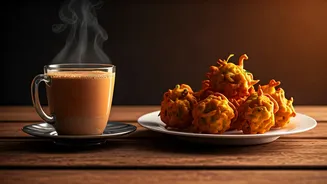


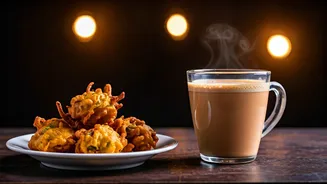


A Match Made in Monsoon Heaven
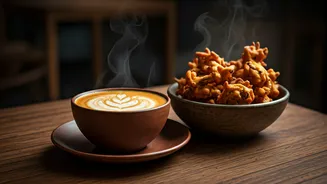
The bond between chai and pakoras is sealed by the Indian monsoon. As the first drops of rain hit the parched earth and the smell of petrichor fills the air, an almost instinctual craving awakens across the nation. It’s a craving for something hot, comforting,
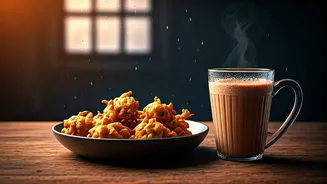
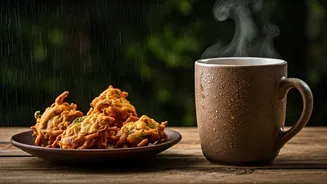
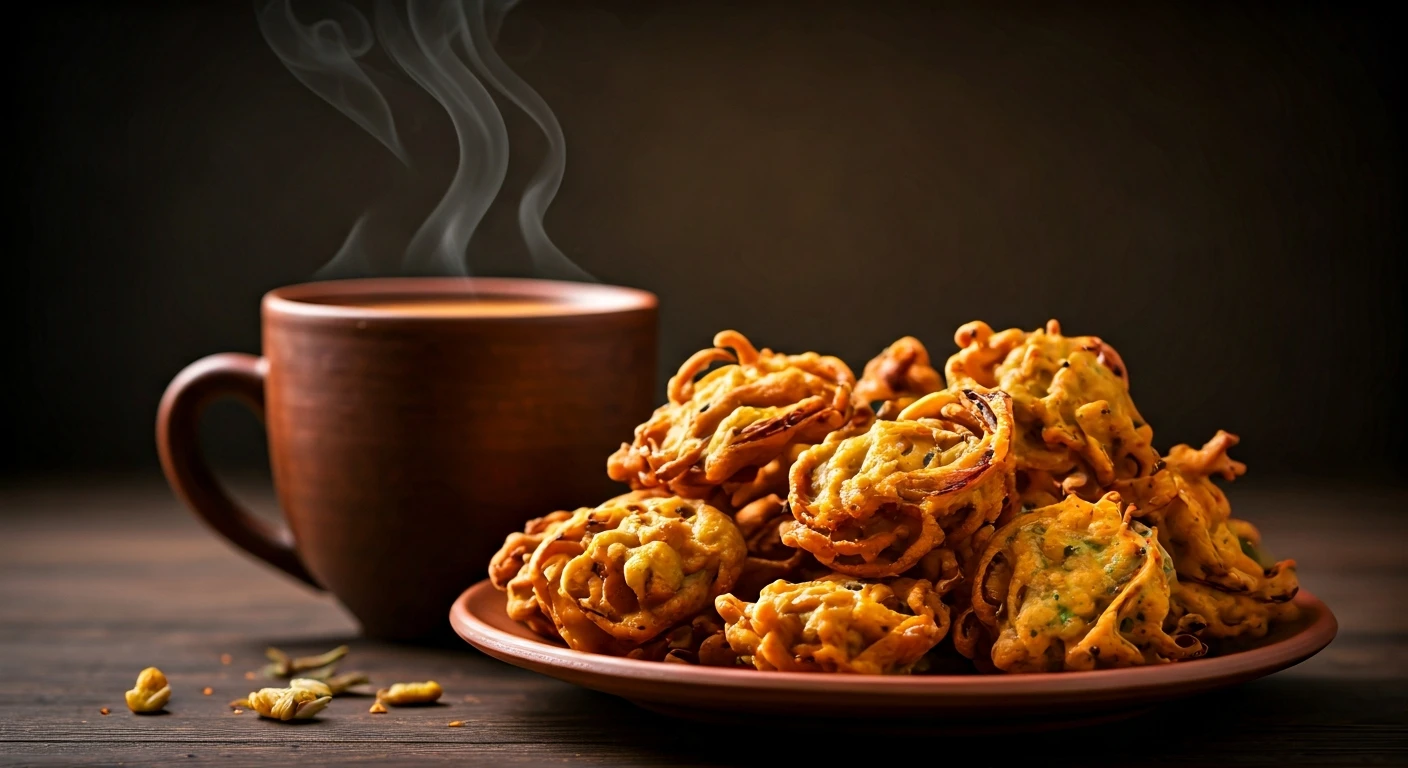
and crunchy. This isn't just about food; it's about an atmosphere. The rhythmic drumming of rain on a tin roof, the cool breeze, and the grey skies create the perfect backdrop for this culinary experience. Families gather, friends call each other over, and roadside stalls see queues forming. The act of sharing a plate of hot pakoras while sipping on steaming chai becomes a celebration of the rain, a ritual that brings people together and turns a gloomy day into a cosy, cherished moment. It’s a tradition passed down through generations, an edible expression of comfort and joy.
The Perfect Sensory Contrast
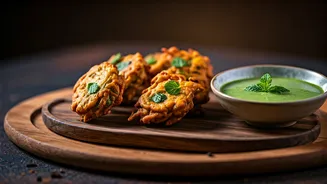
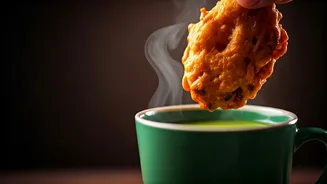
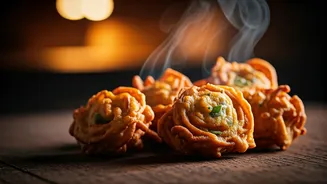
The pairing's genius lies in its beautiful harmony of contrasts. A well-made masala chai is milky, sweet, and complexly spiced with notes of ginger, cardamom, and clove. It’s a smooth, warming liquid that coats your palate. The onion pakora, on the other hand, is its polar opposite. It’s savoury, salty, and possesses a glorious, shatteringly crisp texture. The subtle sweetness of the caramelized onion inside cuts through the richness. When you take a bite of a hot pakora and follow it with a sip of chai, magic happens. The crispness of the fried batter provides a delightful textural counterpoint to the smoothness of the tea. The saltiness of the snack enhances the sweetness of the chai, making each element taste even better. It’s a complete sensory package: the heat from both, the crunch against the liquid, and the savoury-spicy profile balancing the sweet-spicy one. It’s a culinary conversation where each partner makes the other shine.
Anatomy of the Perfect Pakora
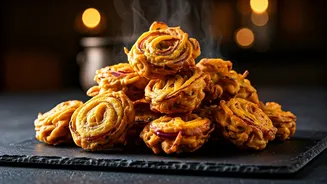
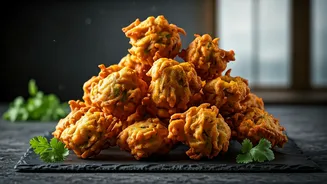
Not all onion pakoras are created equal. A great one is a work of art, while a mediocre one is a greasy disappointment. The secret begins with the onions. They must be thinly sliced to ensure they cook through and release their sweetness. The ratio of besan (gram flour) to onions is crucial; the batter should just barely coat the onions, not drown them. The goal is to create a fritter that is more onion than batter, allowing the vegetable's flavour and texture to be the star. The spice blend is just as important. A simple mix of ajwain (carom seeds) for digestion and flavour, red chilli powder for a gentle kick, a pinch of turmeric for colour, and fresh coriander or green chillies elevates the pakora from a simple snack to a flavour-packed delight. It's this thoughtful construction that separates a truly memorable pakora from a forgettable one.
Secrets to Ultimate Crispiness
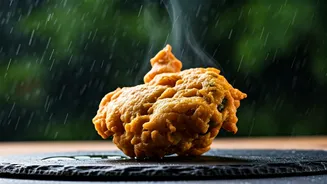
The number one desire for any pakora lover is that elusive, long-lasting crispiness. The key lies in the batter and the frying technique. First, and most importantly, do not add too much water. The onions will release their own moisture, which should be enough to bind the besan. A wet, loose batter results in soggy, oil-logged pakoras. Mix the besan, spices, and sliced onions first, letting them sit for a few minutes. Then, add water a mere teaspoon at a time only if absolutely necessary. For an extra crunch, many seasoned cooks add a tablespoon of hot oil directly into the batter just before frying. Another popular trick is to add a tablespoon or two of rice flour or fine semolina (sooji) to the besan. This helps create a lighter, crispier texture. Finally, maintain the right oil temperature. If it's too low, the pakoras will soak up oil. If it's too high, they'll burn on the outside before the inside is cooked. Fry in small batches to keep the temperature stable and ensure every single pakora is golden and perfectly crisp.