





Why Separate Your Kitchen Waste?
In India, organic matter can make up a significant portion of household trash. When this food waste ends up in landfills, it decomposes without oxygen, producing methane, a potent greenhouse gas. By separating your wet waste—like vegetable peels, fruit
scraps, and tea leaves—you divert a huge amount of garbage from already overflowing landfills. The process, known as composting, converts this waste into a nutrient-rich soil conditioner. This homemade compost improves soil health, helps it retain water, and reduces the need for chemical fertilizers, making it a powerful tool for home gardening and a small but meaningful act for the environment.
Choosing the Right System for Your Home
The best system is one that fits your space and lifestyle. For Indian homes, several user-friendly options exist. Pot or bin composting is the most traditional method; a simple terracotta or plastic bin with aeration holes is placed on a balcony or utility area. Vermicomposting uses earthworms in a container to break down scraps quickly, producing highly nutritious worm castings, and is ideal for apartments as it is odour-free. Another popular choice for compact spaces is Bokashi, an anaerobic (oxygen-free) method that ferments waste in an airtight bin using special microbes. It can handle all food scraps, including meat and dairy, which other methods can't.
The Golden Rule: What to Compost
Successful composting relies on a healthy mix of 'greens' and 'browns'. 'Greens' are nitrogen-rich, moist materials from your kitchen. This includes almost anything that grew from the soil: fruit and vegetable peels, coffee grounds, tea leaves, and crushed eggshells. 'Browns' are carbon-rich, dry materials that provide structure and prevent odours. Good examples include dried leaves, shredded newspaper or cardboard, sawdust, and cocopeat. A simple rule of thumb is to add a layer of browns every time you add a layer of greens. This balance is crucial for aeration and moisture control, preventing the pile from becoming a slimy, smelly mess.
What to Strictly Keep Out
While most organic matter can be composted, some items will attract pests and create foul odours, especially in warmer climates. It's best to avoid adding meat, fish, bones, and dairy products to a standard home compost bin. Oily and greasy foods or leftovers heavy with masala should also be left out, as they interfere with the decomposition process and can attract rodents. Other items to exclude are glossy paper, plastic-lined tea bags, and large, tough items like coconut shells, which take too long to break down. Keeping these out ensures your compost pile remains healthy and odour-free.
From Kitchen Scraps to Garden Gold
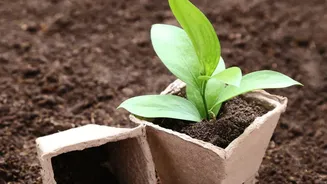
Patience is the final ingredient. Depending on the method, it can take anywhere from a few weeks (Bokashi pre-compost) to several months for your kitchen waste to transform into finished compost. You'll know it's ready when it looks and smells like rich, dark, crumbly earth. This 'black gold' is a powerhouse of nutrients for your plants. You can mix it into the soil of your potted plants, use it as a top dressing for your garden beds, or create a potent liquid fertilizer by steeping some compost in water. This finished product improves soil structure, boosts nutrient content, and helps plants thrive, completing the cycle from your kitchen back to the earth.