


A Hunger for Authenticity
For today's young metropolitan Indian, travel is no longer about simply seeing a place; it’s about experiencing it. This shift is a core reason behind the move away from sterile, pre-packaged bus tours. A sightseeing bus often creates a barrier between
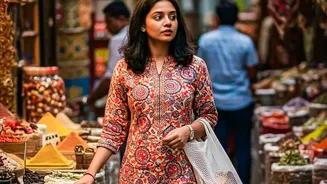
the tourist and the destination, reducing a living city to a series of photo opportunities viewed through a window. In contrast, a walking culinary tour is an invitation to dive headfirst into the local culture. It's the difference between looking at a picture of a city and actually tasting it. Food is an intimate, unfiltered expression of a region's history and identity, and exploring it on foot allows for genuine interactions with vendors, chefs, and the community itself. This search for realness is a defining characteristic of millennial and Gen Z travellers, who prioritize meaningful engagement over passive observation.
A Feast for the Senses (and Social Media)
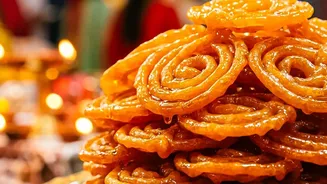
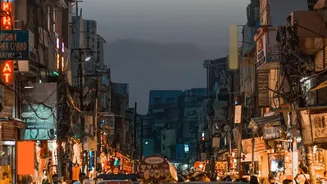
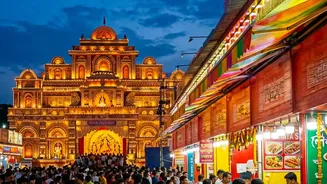
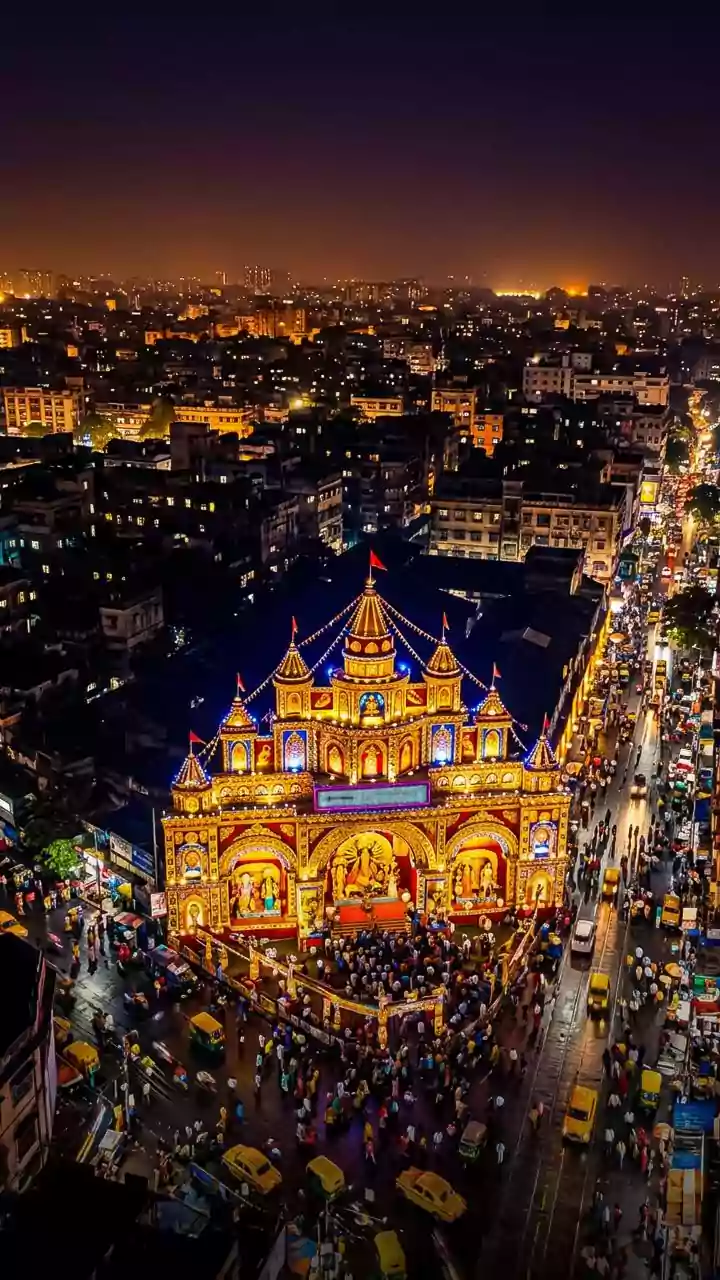
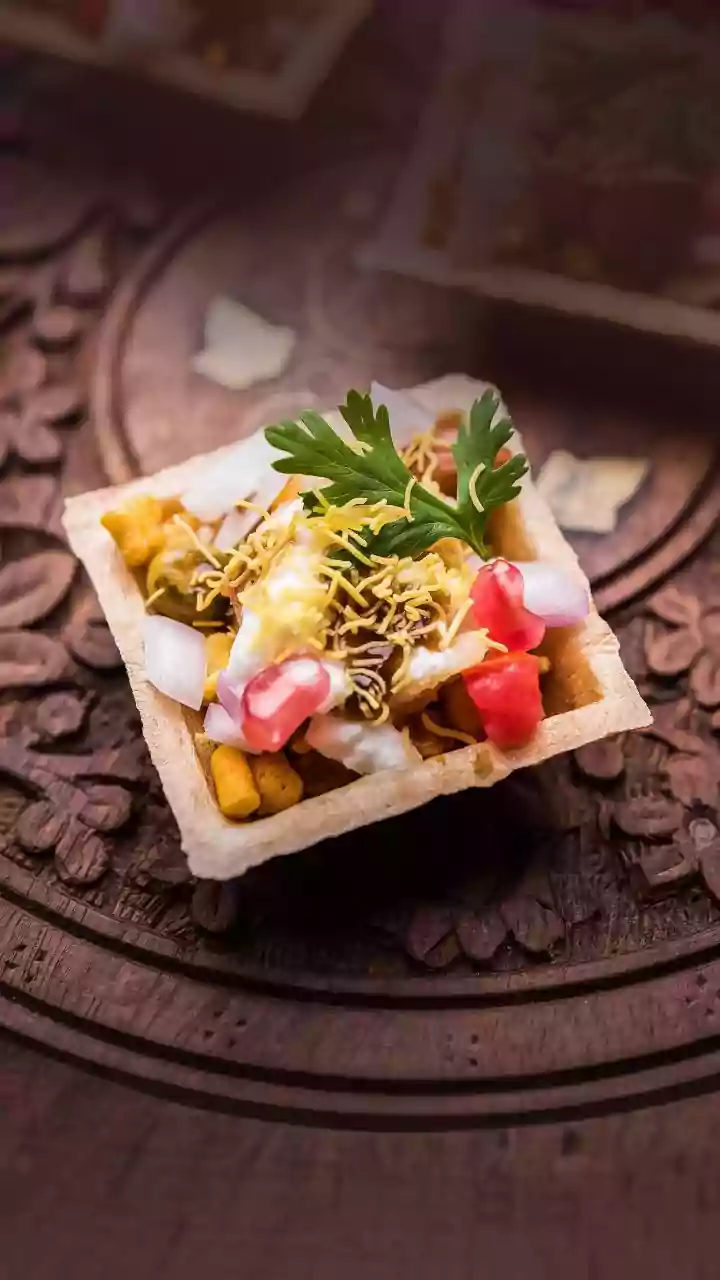
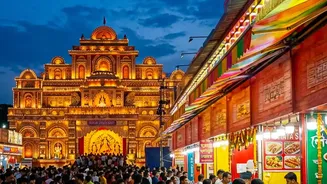
A bus tour engages one primary sense: sight. A walking food tour, however, is a full-blown sensory assault in the best possible way. Imagine the sizzle of a kebab on a grill in Old Delhi, the fragrant steam rising from a bowl of Hyderabadi biryani, or the complex aroma of spices in a Lucknow market. These are experiences that cannot be bottled and delivered through a speaker system. Walking allows travellers to feel the city's pulse, hear its unique soundtrack, and, most importantly, taste its soul one bite at a time. This multi-sensory richness also provides far more compelling content for social media. A vibrant photo of a street vendor crafting a local delicacy or a video of a bustling food lane offers a level of authenticity and engagement that a distant shot of a monument from a moving bus simply cannot match. For a generation that documents and shares its life online, the 'Instagrammability' of an experience is a significant draw.
Connection Over Crowds
The structure of these tours caters to a desire for more intimate and personalised experiences. Unlike the large, impersonal groups herded onto a 50-seater bus, walking food tours are typically smaller, fostering a sense of camaraderie. This smaller scale allows for direct conversation with a knowledgeable local guide, who often shares personal stories and hidden histories that bring the food and the neighbourhood to life. Participants can ask questions, linger at a stall that catches their eye, and connect with fellow food lovers in the group. This move away from mass tourism is a documented trend, with a significant percentage of young Indian travellers now preferring independent or small-group travel over large, packaged tours. It reflects a broader shift towards valuing human connection and shared discovery.
The Rise of the Food-First Traveller
This trend doesn't exist in a vacuum. It is powered by a global explosion in foodie culture, fuelled by everything from Netflix documentaries to influential food bloggers. For many young Indians, food is no longer just sustenance; it's a passion and a primary motivator for travel. Reports indicate a dramatic rise in culinary tourism, with a huge majority of Indian travellers stating that a destination's food scene influences their choice. Some even plan entire trips around visiting a specific restaurant or food market. Tour operators have responded to this demand, with curated food walks becoming a staple in cities like Delhi, Mumbai, Bengaluru, and Lucknow. These are not just add-ons but are often the main event, reflecting a fundamental change in what it means to be a tourist in your own country.