

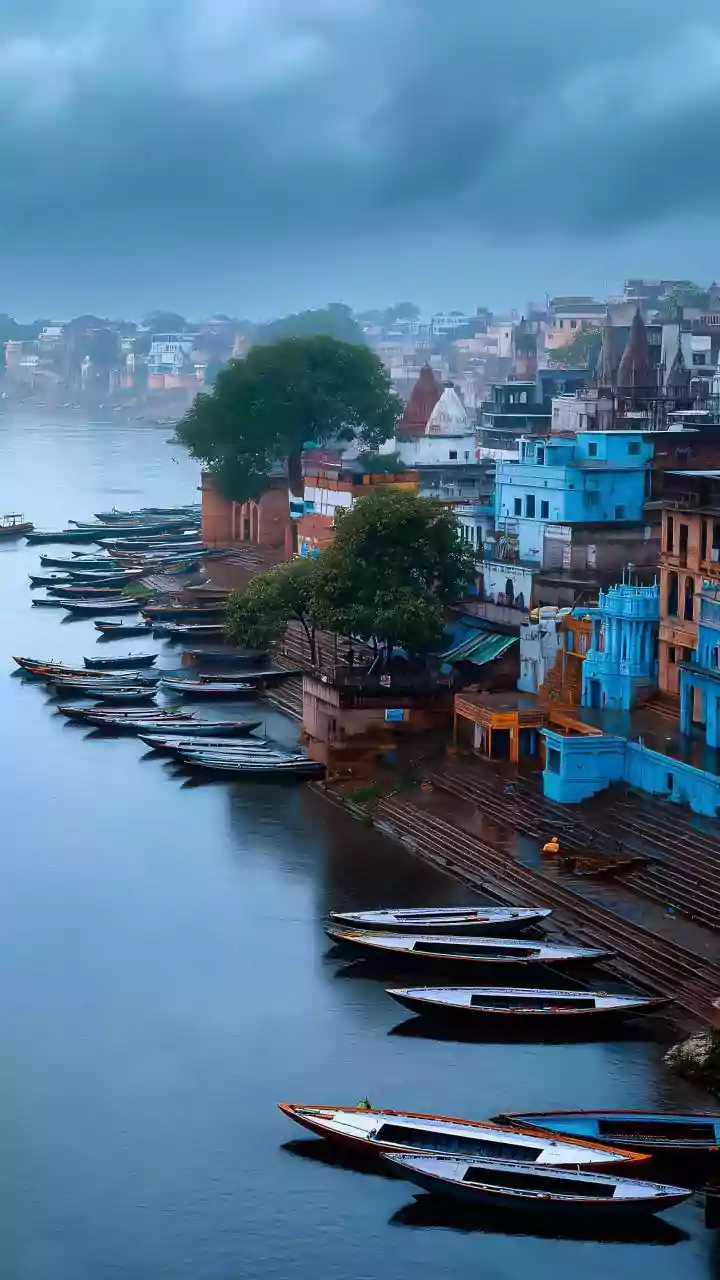
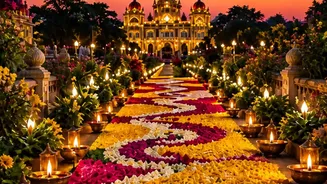
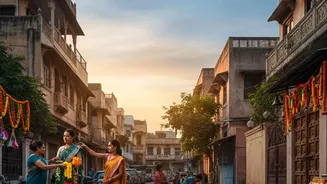
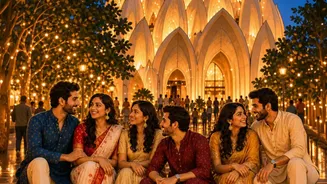
Ayodhya's Deepotsav, a celestial spectacle of millions of diyas lighting up the Saryu river, is an unforgettable experience. But attending this grand event requires careful planning. Here is what you need to know before you go.
Understanding the Main Event
The Ayodhya Deepotsav is
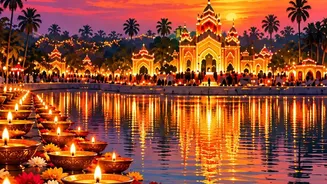
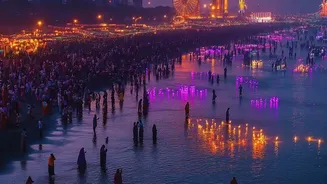
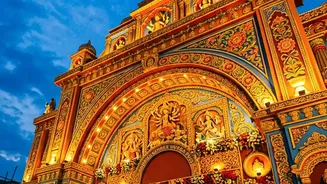
a grand festival celebrating Lord Rama's return to his kingdom. While Diwali is celebrated on November 8, 2026, the main government-organised Deepotsav event, featuring mass lamp-lighting, is scheduled for the eve, on November 7. The celebrations often begin earlier, with a series of religious and cultural events starting from November 5. The highlight is the lighting of a record-breaking number of earthen lamps (diyas) along the ghats of the Saryu, primarily at Ram Ki Paidi. This is accompanied by a grand Saryu Aarti, processions, Ramlila performances by international troupes, and spectacular laser and drone shows telling stories from the Ramayana.
Booking Travel and Accommodation
With the inauguration of the Ram Mandir, Ayodhya's popularity has surged, and Deepotsav attracts millions. Booking your travel and stay well in advance is non-negotiable. Ayodhya is accessible via the Maharishi Valmiki International Airport (AYJ), with direct flights from major cities. The city also has two major railway stations, Ayodhya Dham Junction and Ayodhya Cantt. However, expect services to be fully booked weeks or even months ahead. Hotel prices can increase dramatically during this period, so it's crucial to book accommodation 4-6 months in advance. Besides hotels, options include dharamshalas, guesthouses, and homestays, which can be found on official tourism portals. Staying in nearby cities like Lucknow (approx. 135 km) or Gorakhpur (approx. 130 km) and travelling to Ayodhya for the day is also a viable option.
Navigating the City and Crowds
Be prepared for massive crowds and significant security measures. The administration turns Ayodhya into a fortress, with thousands of police personnel and special forces deployed. Expect traffic diversions and restricted zones, especially around Ram Ki Paidi and the Ram Mandir. Entry to the main ghats on Deepotsav evening may be restricted to those with passes or fill up by mid-afternoon. General viewing is typically free but requires arriving very early to secure a good spot. For easier movement, consider using local transport like e-rickshaws or simply walking, as many areas will be pedestrian-only. Follow official announcements from the district administration for real-time updates on traffic and crowd movement.
Planning Your Darshan and Sightseeing
While Deepotsav is the main draw, a trip to Ayodhya is incomplete without visiting the Ram Janmabhoomi Temple. Plan your darshan for the early morning slots (7–9 AM) to avoid the heaviest rush. Other important sites include Hanuman Garhi, Kanak Bhawan, and Dashrath Mahal. During the festival, these sites will also be beautifully decorated but extremely crowded. Be aware of temple etiquette: dress modestly, and note that items like phones, bags, and electronic gadgets are not allowed inside the Ram Mandir complex; free locker facilities are provided. For elderly visitors or those with disabilities, free wheelchair services are available at the temple.
Essential Safety and Health Tips
Your safety in such a large gathering is paramount. Always stay aware of your surroundings and keep your belongings secure. It is advisable to carry a government issued photo ID, a power bank for your phone, and any necessary medications. With massive crowds, it's easy to get separated; if you're in a group, establish a meeting point in case you get lost. Stay hydrated by carrying a water bottle. Medical aid posts and drinking water facilities are set up by the administration, so be aware of their locations. In crowded areas, especially with children or senior citizens, try to stay near an exit and avoid the densest parts of the crowd, particularly during the drone and light shows.