



Understanding Microclimate Thermal Stress
A microclimate refers to the specific atmospheric conditions in a small, localised area, which can differ significantly from its surroundings. You've likely experienced this yourself: a paved city square feels much hotter than a leafy park just a few
blocks away. 'Thermal stress' is the physical strain the body experiences when it cannot easily maintain a stable internal temperature. When combined, 'microclimate thermal stress' describes the health risk posed by these pockets of intense, localised heat. It's not just about a hot day; it's about specific urban zones becoming persistently and dangerously warmer than adjacent areas.
The Urban Heat Island Effect
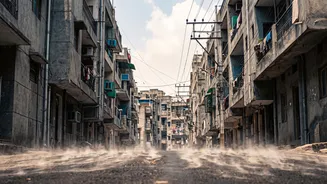
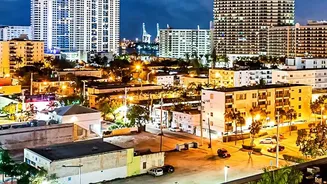
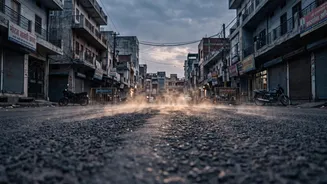
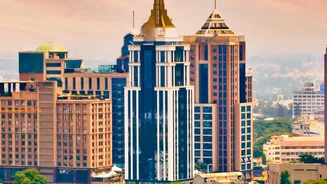
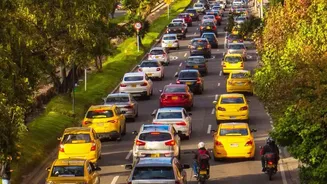
The primary driver of this phenomenon is the Urban Heat Island (UHI) effect. Cities become 'islands' of heat because materials like concrete, asphalt, and steel absorb and retain the sun's radiation far more than natural landscapes. During the day, these surfaces heat up, and at night, they release that stored heat slowly, preventing the city from cooling down. This effect is magnified by the loss of vegetation, which provides natural cooling through shade and evapotranspiration, and by waste heat generated from vehicles and air conditioning units. Studies show that urban areas can be 2°C to 10°C hotter than their rural surroundings, a difference that has profound health implications.
Why Tier 2 Towns Are Uniquely Vulnerable
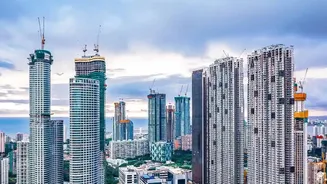
While metro cities like Delhi and Mumbai have long grappled with UHI, India's Tier 2 cities—such as Pune, Jaipur, Lucknow, and Madurai—are now at a critical juncture. These cities are hubs of rapid, often unplanned, urbanisation. The rush to build new housing, commercial complexes, and infrastructure often involves replacing farmland, forests, and water bodies with impermeable concrete surfaces. This rapid transformation means there's little time to implement climate-sensitive planning. The result is a dramatic increase in land surface temperatures; Madurai, for instance, saw a 5°C rise between 2013 and 2023 due to increased construction and vehicle emissions. Unlike older city cores that may have some established green cover, the sprawling peripheries of these towns are becoming concrete jungles with few cooling spaces.
The Growing Public Health Crisis
Persistent exposure to thermal stress is not a mere inconvenience; it's a major health hazard. The most immediate risks include dehydration, heat exhaustion, and life-threatening heat strokes. Over time, chronic heat exposure can worsen pre-existing conditions, particularly cardiovascular and respiratory diseases. The UHI effect can also exacerbate air pollution, as high temperatures can increase the concentration of harmful ground-level pollutants. Vulnerable populations, such as outdoor workers, the elderly, children, and residents of low-income settlements with poor ventilation, are disproportionately affected. In some informal settlements in Delhi, indoor temperatures have been found to regularly exceed outdoor temperatures, offering no respite from the heat.
The Path to Cooler Cities
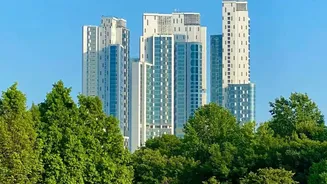
The good news is that Tier 2 cities still have an opportunity to grow more sustainably. Solutions lie in climate-sensitive urban planning that prioritises green and blue infrastructure. This includes creating more parks, planting street trees, restoring water bodies, and protecting existing green cover. Building-level interventions are also crucial. Promoting 'cool roofs' using reflective paints or materials can lower indoor temperatures by several degrees. Adopting traditional Indian architectural principles, like courtyards and ventilation screens ('jaalis'), can also significantly improve natural cooling and reduce reliance on energy-guzzling air conditioners. For India's growing cities, building resilience to heat is not a luxury, but a necessity for public health and economic stability.