






Monsoon Berries: Jamun, Plums, and Cherries
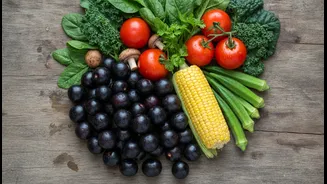
The deep-purple Jamun, or Java plum, is a quintessential monsoon fruit for good reason. It is packed with vitamin C and antioxidants that fortify your immune system against common seasonal ailments like colds and coughs. Its antibacterial properties also
promote gut health, helping to prevent stomach issues that are frequent during this time. Alongside Jamun, consider adding plums and cherries to your fruit bowl. Plums are rich in dietary fibre, which aids digestion, while cherries contain antioxidants and anti-inflammatory properties that contribute to overall wellness. These fruits are not just delicious but are nature’s way of providing targeted nutrition for the season.
Juicy Immunity Boosters: Litchi and Pomegranate
Litchis, with their sweet, fragrant flesh, are another monsoon favourite that offers significant health benefits. They are an excellent source of hydration and are loaded with vitamin C, a crucial nutrient for fending off seasonal infections. Pomegranates are also a powerful ally during the rainy season. Their ruby-red seeds are filled with potent antioxidants that support heart health and strengthen your body's natural defences. Including these fruits in your diet, either whole or as fresh juice, can provide a delicious and effective boost to your immunity, helping you stay energetic and healthy through the damp, grey days.
Go with Gourds: Lauki and Karela
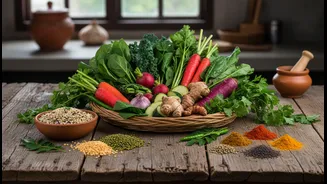
During the monsoon, the digestive system often becomes sluggish. This is where humble vegetables like bottle gourd (lauki) come to the rescue. Being light and easy to digest, lauki helps keep your digestive system calm. While lauki is gentle, bitter gourd (karela) is a fierce protector. Though its taste may not be for everyone, its benefits are undeniable. Karela is loaded with powerful antiviral and antibacterial properties that help cleanse your system and fight off pathogens that thrive in the damp weather. Incorporating these gourds into your diet through simple, cooked preparations can significantly support your gut health.
The Healing Power of Roots and Spices
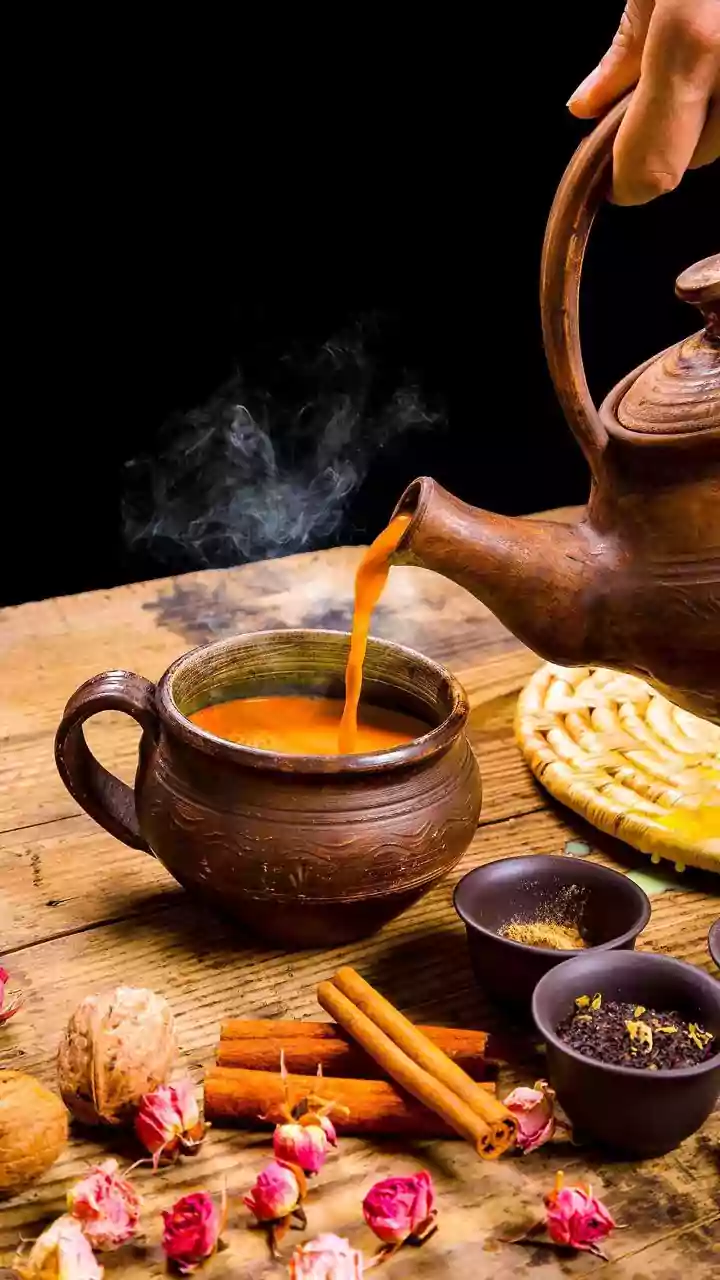
Traditional Indian wisdom has always emphasised the role of spices in maintaining health, and this is especially true during the monsoon. Ginger and turmeric are two of the most important ingredients for your seasonal diet. Ginger is a fantastic digestive aid, known to soothe the stomach and reduce bloating. Turmeric is a powerhouse of anti-inflammatory and antiseptic properties, helping to combat infections from within. Adding fresh ginger to your tea and a generous pinch of turmeric to your curries and milk are simple habits that can act as a natural, low-dose medicine, keeping your body resilient.
A Healthy Twist on a Monsoon Classic: Corn
The sight and smell of roasted corn, or bhutta, is synonymous with the Indian monsoon. This beloved street-side snack is more than just a tasty indulgence; it is also a healthy seasonal choice. Corn is rich in fibre, which aids digestion, and contains antioxidants that help boost your immune function. Instead of versions slathered in butter, try having it roasted or boiled with a simple squeeze of lemon and a sprinkle of salt. This allows you to enjoy the nostalgic flavours of the season while still making a choice that benefits your health.
Essential Tips for Safe Monsoon Eating
Knowing what to eat is only half the battle; knowing how to eat is just as crucial. During the monsoon, the risk of contamination is high. It is best to avoid raw foods like salads and pre-cut fruits, as they can harbour harmful bacteria. Opt for warm, freshly prepared home-cooked meals whenever possible and steer clear of street food. Always wash fruits and vegetables thoroughly, perhaps by soaking them in salt water for a few minutes. Furthermore, stay hydrated by drinking boiled or filtered warm water and herbal teas, which help flush out toxins and support your digestive system.