
The Daily Discard Dilemma
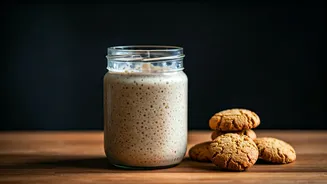
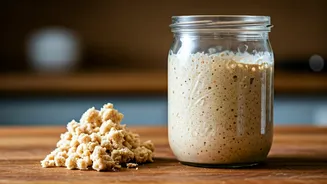
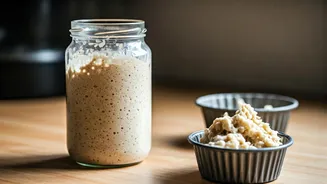
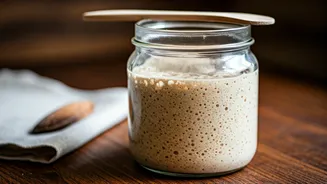
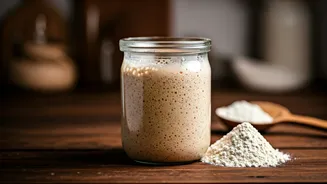
A sourdough starter is a living culture of wild yeast and bacteria that needs regular 'feedings' of flour and water to stay healthy. To keep the starter from growing into a countertop monster and to maintain its flavour balance, bakers typically remove
a portion before each feeding. This unfed portion is known as the "discard." For years, many home bakers simply tossed it, a practice that felt wasteful and at odds with the wholesome nature of baking from scratch. The name itself suggests it's trash, but a growing movement is proving that discard is actually a kitchen treasure.
From Waste to a Core Ingredient
The shift from seeing discard as a problem to seeing it as a key ingredient is rooted in a broader cultural move towards sustainability. As home cooks become more conscious of food waste, that daily scoop of discard looks less like garbage and more like an opportunity. This isn't just about being frugal; it's about a mindset shift. The smart discard trend champions a zero-waste approach in the kitchen, transforming a byproduct into the foundation of a new meal. This practice aligns perfectly with a growing desire for a more sustainable and resourceful lifestyle.
Beyond Crackers and Pancakes
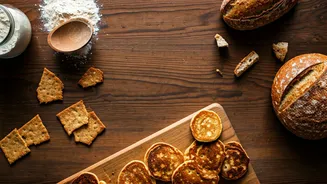
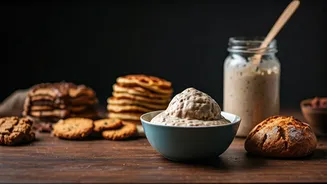
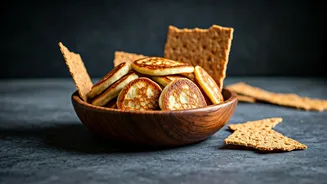
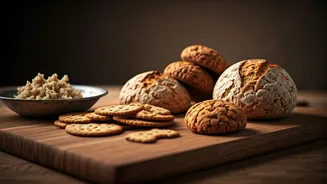
For a long time, the most common advice for using discard was to make crackers or pancakes. While delicious, the repertoire has exploded. Innovative bakers are now using discard to add a tangy depth of flavour and tender texture to a vast array of dishes. Imagine soft pretzel bites, fudgy brownies, fluffy biscuits, and even chewy granola bars made with discard. The creativity doesn't stop there. People are using it to create pizza dough, pie crusts, and flavourful batters for fish or onion rings. It's even being used as a thickener for sauces or stews, proving its versatility in both sweet and savory cooking.
A Tangy Contribution to Flavor
The real magic of sourdough discard isn't just that it prevents waste; it's that it actively improves what you're making. Discard is fully fermented, giving it a complex, sour flavour that is more pronounced than an active, freshly fed starter. When added to recipes, it can introduce a subtle tang reminiscent of buttermilk or cream cheese, adding a layer of flavour you wouldn't get otherwise. This acidic quality also helps to tenderize baked goods like cookies, cakes, and muffins, resulting in a softer, richer crumb. So, using discard isn't a compromise; it's a culinary upgrade.
The Community Fueling the Trend
This movement is being supercharged by online communities. Social media platforms, food blogs, and baking forums are buzzing with bakers sharing their discard triumphs. It's a collaborative space where a recipe for sourdough brownies can go viral and inspire thousands. This digital community provides endless inspiration, troubleshooting tips, and a shared sense of accomplishment. It transforms the solitary act of maintaining a starter into a connected experience, ensuring that the collective knowledge around sourdough and its many uses continues to grow and evolve. The sourdough starter, once confined to its jar, now has a vibrant social life.