





The Slow Death of the Annual Holiday
For decades, the travel script was simple: save your paid leave, plan months ahead, and take one big family holiday a year. But for many young Indian professionals, that model is broken. Between demanding jobs, the difficulty of coordinating schedules
with friends, and family obligations that eat into precious leave, the ten-day vacation is becoming a logistical nightmare. As a result, Gen Z and millennials are rewriting the rules. An Airbnb report found that 70% of young Indians would rather take three short trips than one long annual holiday. Travel is no longer a once-a-year event; it's a regular habit.
The Rise of the Micro-Cation
Enter the micro-cation: a short, intentional trip of two to four days, perfectly designed to combat burnout without disrupting work routines. The motivations are both practical and emotional. These frequent getaways act as a release valve for the stress of a fast-paced lifestyle. They are also more affordable. Spreading travel costs over several smaller domestic trips is often more manageable than funding one expensive international holiday. This shift has been amplified by the post-pandemic phenomenon of 'revenge travel,' where a pent-up desire to escape has made even short breaks feel essential. As a result, what started as a trend is now becoming a necessity for maintaining work-life balance.
The Art of the 'Clubbed' Holiday
Young travellers have become experts at calendar-gazing, strategically 'clubbing' a day or two of leave with public holidays and weekends to create extended breaks. A Friday holiday or a Monday off becomes a perfect three-day window for escape. Travel platforms have taken notice, with some reporting a 40% year-on-year growth in long-weekend bookings. Spontaneity is a key feature of this new travel style. With improved road connectivity and cheaper flights, the decision to take a trip is often made just days or weeks in advance, not months. Destinations within a few hours' drive or a short flight are the biggest beneficiaries.
New Destinations for a New Traveller
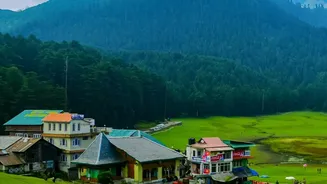
This trend is reshaping India's tourism map. Instead of focusing on major tourist hubs, travellers are exploring drivable destinations and boutique properties. For those in Delhi-NCR, places like Rishikesh and Kasauli are popular. Mumbaikars and Pune residents flock to Lonavala and Alibaug, while Bangaloreans escape to Coorg and Chikmagalur. But it's not just about convenience. Young travellers are increasingly seeking unique and personal experiences, often choosing destinations that haven't gone viral online. The stay itself has become a destination, with a beautiful homestay or a unique resort being the main attraction.
Travel as Self-Expression
Ultimately, this shift is about more than just logistics; it's about identity. For Gen Z, how they travel is a reflection of who they are. Reports show that a staggering 95% want their trips to feel personal and unique, not like a pre-packaged tour. They prioritise companionship over the destination, with three in four saying who they travel with is more important than where they go. In this new era, travel is less about ticking off a checklist of famous landmarks and more about collecting experiences, making memories, and finding moments to simply rest and recharge. It’s a more flexible, personal, and sustainable way to see the world, one long weekend at a time.