

1. Play with Proportions
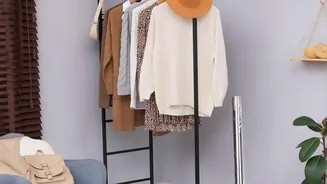
The key to layering without looking bulky is to balance proportions. Think in terms of contrast: pair something oversized with something fitted. For instance, a chunky, oversized sweater looks fantastic over slim-fit jeans or a sleek midi skirt. Conversely,
if you're wearing wide-leg trousers, keep the top layers more streamlined with a fitted turtleneck and a tailored blazer. Another trick is to play with lengths. A long-line cardigan or open button-down shirt creates a flattering vertical line over a shorter t-shirt or tank top. You can also let a longer base layer, like a tunic or button-down, peek out from under a cropped sweater or jacket. This creates visual separation between the layers and makes the outfit feel intentional. The goal is to avoid having multiple voluminous pieces competing with each each other, which can overwhelm your frame.
2. Mix Your Textures
An all-cotton outfit can sometimes look flat, even if the colors are great. Mixing textures is what gives a layered look depth and a more expensive feel. Think about pairing fabrics with different surface qualities: rough with smooth, matte with shiny, structured with soft. Some classic combinations include the ruggedness of a leather jacket over a soft cotton tee or a delicate silk camisole. You could also try a chunky knit cardigan with a satin slip skirt, or a denim jacket over a wool-blend dress. Even if you're new to this, you can start small. Begin with a neutral color palette and let the textures do the talking. Accessories are another easy entry point; a suede belt, a woven bag, or a silk scarf can introduce a new texture without a full commitment.
3. Embrace the 'Third Piece' Rule
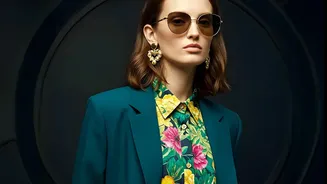
Stylists often refer to a simple trick called the 'third piece rule'. The idea is that an outfit feels more complete and polished when you add a third element to your top and bottom (your first and second pieces). This third piece is your layering hero—it's the item that pulls the whole look together. It could be a blazer, a vest, a cardigan, an open button-down shirt, or even a denim jacket. Adding this extra layer transforms a simple base of, say, jeans and a t-shirt, from just 'clothes' into an 'outfit'. It shows intention and adds dimension. In warmer weather, your third piece doesn't have to be heavy; a lightweight kimono, a vest, or even a statement accessory like a large scarf can serve the same purpose, finishing the look with a flourish.
4. Master Monochromatic Layering
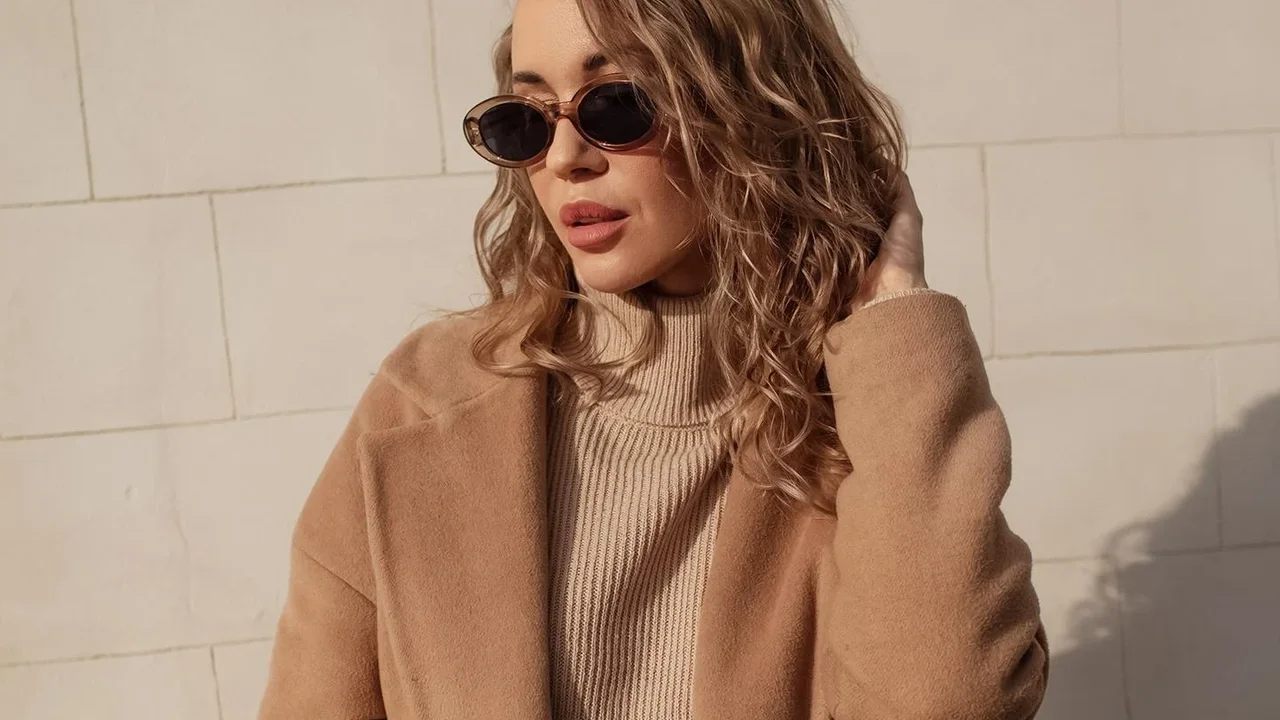
Wearing one color from head to toe is inherently chic, but layering makes it even more sophisticated. A monochromatic outfit works best when you mix different shades and textures of the same color family to avoid looking flat. For example, instead of an all black outfit in the same cotton fabric, try pairing black leather pants with a fine knit black merino sweater and a black wool coat. The variation in fabric and finish creates visual interest. You can also play with different tones. Layer a light beige knit over a cream colored top with camel trousers for a warm, neutral look. This technique creates a long, unbroken vertical line that is incredibly flattering and elongating, all while looking effortlessly put together.
5. Let Your Base Layers Be Seen
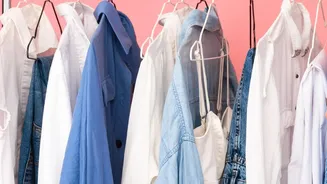
Intentional layering is all about letting the different pieces peek through. Don't hide your base layers—use them to add a pop of color, texture, or interest. A classic example is letting the collar and cuffs of a crisp white button down shirt stick out from under a crewneck sweater. This simple trick instantly makes a basic sweater look more polished. You can also layer a simple white t shirt under a V neck sweater or a slightly unbuttoned shirt, allowing the crewneck of the tee to frame your neckline. Playing with hemlines also works wonders. A slightly longer t shirt or tank top that extends past the hem of your sweater or cropped jacket adds a casual, thoughtfully styled element that breaks up the look and adds another layer of dimension.