





The Undeniable Logic of Flavour
The most compelling argument for seasonal eating is taste. A mango in May, ripened by the summer sun, is an entirely different experience from a pale, fibrous one found in December. Produce harvested at its natural peak is simply more flavourful. When
fruits and vegetables are grown out of season, they are often picked early and transported long distances, relying on artificial ripening processes that fail to develop their full, complex flavours. Think of the juicy sweetness of winter oranges, the earthy depth of monsoon-era mushrooms, or the crispness of summer cucumbers; these are flavours dictated by nature’s clock, offering a superior culinary experience that imported, off-season produce cannot match.
A Boost for Your Health and Wallet
Seasonal foods are not just tastier; they are also more nutritious and often cheaper. Produce that ripens naturally in its intended season contains a higher density of vitamins, minerals, and antioxidants. For example, studies have shown that vitamin C levels can be significantly higher in seasonal produce compared to items that have been in cold storage or shipped from afar. Traditional Indian food wisdom aligns with this, recognising that the body has different needs in different seasons. Summer brings hydrating foods like watermelon, while winter offers warming root vegetables and leafy greens like sarson and methi. Furthermore, when produce is abundant, its price naturally drops. Buying what is in season supports your health and is also easier on your wallet, as it eliminates the high costs of transportation and preservation.
Eating for a Healthier Planet
The choices we make in our kitchens have a profound environmental impact. Opting for regional, seasonal food significantly reduces 'food miles'—the distance food travels from farm to plate. Transporting out-of-season produce, often by air, consumes enormous amounts of fossil fuels and contributes to greenhouse gas emissions. In India, while our average food miles are shorter than in some Western nations, the transport of perishable items like fruits and vegetables still carries a notable carbon footprint. By contrast, supporting local agriculture means less transport, less refrigeration, and a lower overall environmental burden. It's a simple way to contribute to sustainability, reducing your carbon footprint one meal at a time.
Connecting with Culture and Community
Food is deeply intertwined with culture, and seasonal eating is a way to honour and preserve our rich culinary heritage. Many Indian festivals and traditions are built around seasonal harvests. Embracing this rhythm connects us to generations past who cooked with the same ingredients at the same time of year. Moreover, buying from local farmers and vendors strengthens community bonds and supports the local economy. When you purchase from a nearby farm, you are not just getting fresher food; you are helping sustain a farmer's livelihood and contributing to rural economies. This creates a more resilient and secure local food system, less dependent on fragile global supply chains.
How to Rediscover the Food Calendar
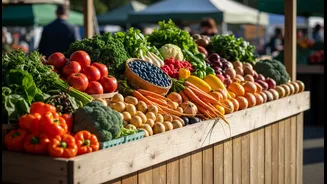
Shifting to a seasonal diet doesn't require a radical overhaul. It starts with simple, mindful choices. Begin by visiting your local sabzi mandi or farmers' market. Observe what is piled high and priced low; that's almost always what is in season. Plan your meals around these ingredients instead of a fixed, year-round shopping list. Talk to the vendors and ask where the produce comes from. You'll quickly learn to identify the stars of each season: cooling gourds and jamun in the monsoon, vibrant greens and carrots in the winter, and a bounty of melons and litchi in the summer. By aligning your kitchen with the natural calendar, you rediscover a more flavourful, nutritious, and sustainable way of eating that has been part of Indian culture for centuries.