



Beyond the One-Rep Max
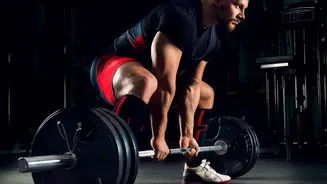
In the world of fitness, strength is often measured by a single, all-out effort: the one-repetition maximum (1RM). This number, whether on a bench press or a deadlift, becomes a benchmark for progress and a source of bragging rights. While lifting heavy
is a valid component of strength development, an exclusive focus on chasing heavier loads can create an incomplete and sometimes precarious picture of what it means to be truly strong. The real-world application of strength is rarely a single, perfectly executed lift. It's carrying awkward groceries, hoisting a child, or preventing a fall on an icy pavement. This is where functional strength comes in — training movements, not just isolated muscles, to make daily life easier and safer.
The Science of Control
Focusing on control introduces a new variable to the strength equation: time under tension (TUT), or the duration a muscle is working during a set. By intentionally slowing down the pace of a lift, particularly the lowering (eccentric) phase, you force your muscles to remain engaged for longer. This controlled approach enhances the mind-muscle connection, improving your neuromuscular efficiency — essentially, your brain's ability to communicate with and activate your muscles. Recent meta-analyses have shown that for muscle growth (hypertrophy), both heavy and light loads can be equally effective, provided the training volume and effort are sufficient. This suggests that how you lift can be as important as how much you lift. Slow, controlled repetitions minimize the use of momentum, ensuring the targeted muscles are doing the work, which can lead to significant gains without constantly pushing maximal weights.
A Powerful Tool for Injury Prevention
One of the most compelling arguments for prioritizing control is injury prevention. Many common weightlifting injuries happen when form breaks down under a heavy load. Using momentum or sacrificing technique to complete a rep puts undue stress on joints, tendons, and ligaments. Strength training with a focus on control does the opposite. It strengthens not only the primary muscles but also the smaller stabilizing muscles that protect your joints. Improving your balance, coordination, and body awareness through controlled movements makes you more resilient both inside and outside the gym. By mastering a movement with a lighter weight, you build a solid foundation of motor control that keeps you safer when you do decide to increase the load.
How to Train for Better Control
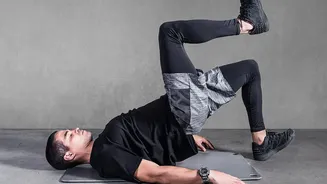
Integrating control into your workouts doesn't require a complete overhaul. Start by reducing the weight you'd typically use and focus on flawless execution. Pay attention to tempo; for example, try taking three to four seconds to lower the weight and one to two seconds to lift it. This deliberate pace forces you to control the entire range of motion. Incorporate unilateral exercises, such as single-leg squats or single-arm dumbbell rows. These movements challenge your stability and highlight any imbalances between the left and right sides of your body. Above all, be mindful. Instead of just going through the motions, concentrate on feeling the target muscles work through every inch of the repetition. The goal is to make every rep a masterpiece of form.
Redefining Your Progress
Shifting your focus from load to control requires a new way of measuring progress. Instead of only tracking the weight on the bar, start celebrating other victories. Did you perform a set of squats with a deeper, more stable range of motion? Did a previously challenging exercise feel smoother and more controlled? These are significant signs of increasing functional strength. You might track your progress through video, noticing improvements in your form over time. Or perhaps the true measure is feeling more capable in your daily life, whether it's lifting luggage into an overhead bin or simply moving with more confidence and less pain.