



From the Stomach to the Heart
The surest way to win hearts and minds, it is often said, is through the stomach. This concept, known as 'gastrodiplomacy', is the use of food as an instrument to foster cross-cultural understanding and enhance a nation's image. [3, 8] It’s a form of soft
power, influencing people not through force, but through culture, values, and in this case, flavour. [5] Countries like Thailand and Peru have successfully launched global campaigns to promote their cuisines, turning restaurants into cultural outposts and dishes into ambassadors. [3, 8] Now, it seems, it's the turn of 'God's Own Country' to step into the culinary spotlight, with its complex, aromatic, and diverse dishes leading the charge.
A Global Recognition
The buzz around Kerala's food is growing louder. In late 2025, the influential travel guide Lonely Planet named immersing oneself in Kerala's culinary tradition as one of the 25 best travel experiences in the world for 2026, making it the only destination from India on the prestigious list. [11, 12] The guide praised the cuisine's remarkable diversity, from the spice-rich Mappila fare of North Malabar to the delicate appam and stew combinations of the south. [11, 17] This recognition isn't just happening in print. From Leeds to Dubai, authentic Kerala restaurants are winning awards and critical acclaim, some even earning coveted Michelin recommendations. [18, 24, 27] They are drawing in not just the homesick diaspora, but curious international foodies eager for a taste of something new.
More Than Just 'Curry'
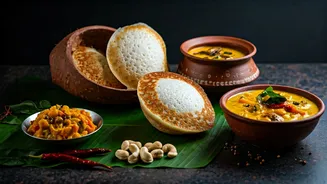
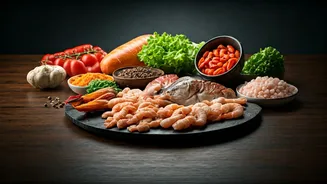
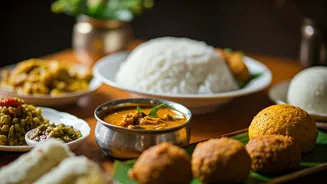
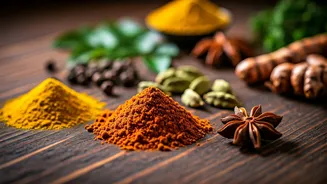
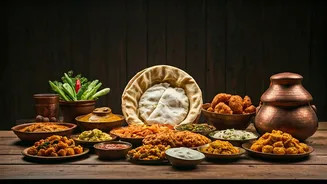
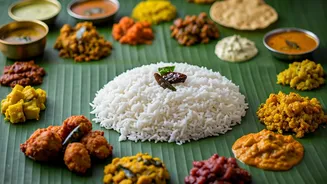
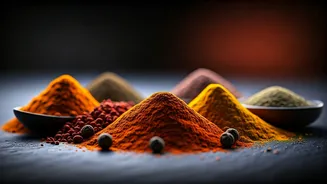
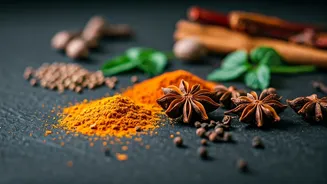
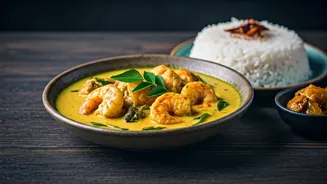
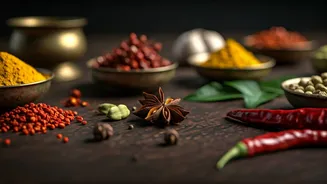
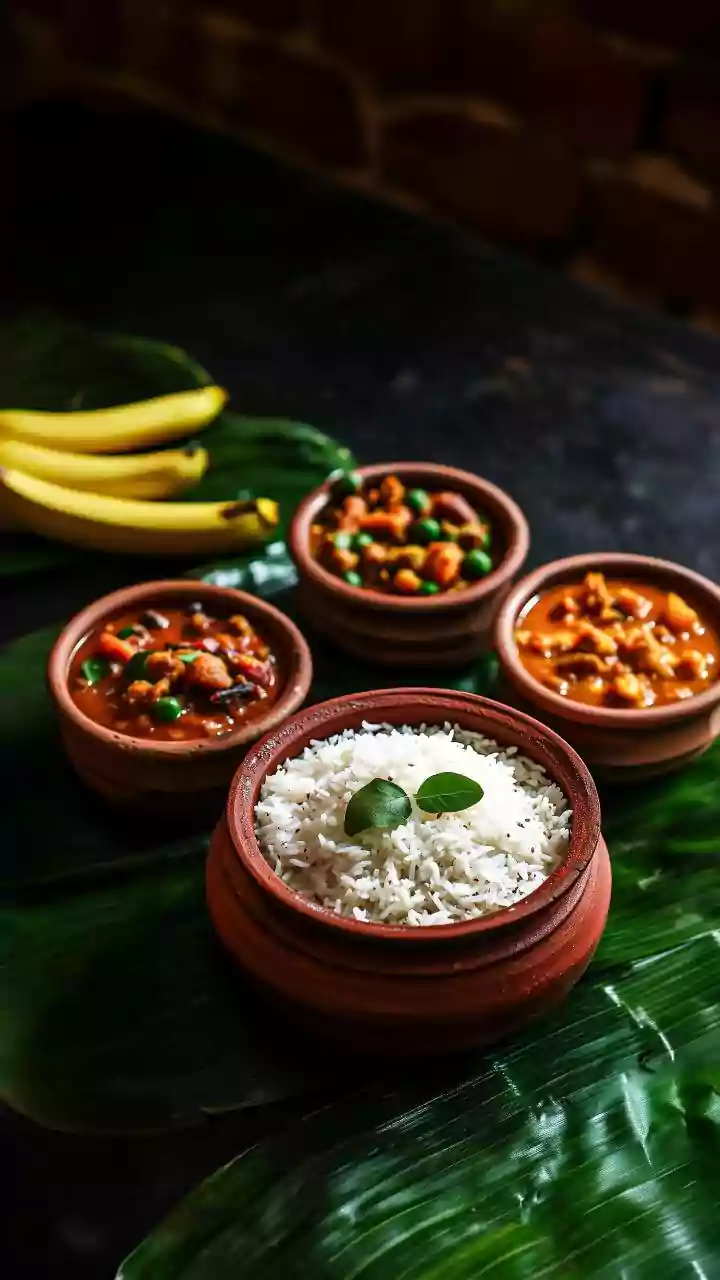
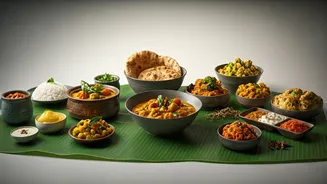
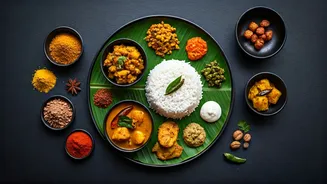
For decades, the global understanding of 'Indian food' was largely limited to a few North Indian staples like butter chicken and naan. Kerala's cuisine, however, offers a completely different and compelling narrative. It is a cuisine shaped by its unique geography—a long coastline, lush backwaters, and spice-rich hills. [11] Key ingredients like coconut (in its many forms), fresh seafood, tapioca, and a distinct armoury of spices like black pepper, cardamom, and curry leaves define its profile. [17] Dishes like the intricate vegetarian feast of a 'Sadya' served on a banana leaf, the tangy 'Meen Pollichathu' (fish grilled in a banana leaf), and the fluffy 'Appam' pancakes tell a story of a land rich in history and produce. [17, 4]
Diaspora and Digital Ambassadors
The rising global profile of Kerala cuisine is intrinsically linked to the state's large and influential diaspora. [9, 13] As Keralites have migrated across the globe, from the Middle East to Europe and America, they have carried their culinary traditions with them. [13, 21] Family-run restaurants were often the first point of introduction for many foreigners. [13] Now, a new generation of chefs, food bloggers, and influencers are taking over. They are both preserving ancestral recipes and creating modern interpretations, like Keralan Fried Chicken (KFC), which cleverly fuses traditional flavours with popular global formats. [19] Social media platforms have become a virtual dining table, where the vibrant colours and unique preparations of Kerala's food can be shared instantly, tempting a new global audience.
A Taste of History
To eat a Keralan meal is to taste over two millennia of history. For centuries, the Malabar Coast was the epicentre of the global spice trade, attracting traders from the Arab world, China, and Europe. [23, 24] These visitors didn't just take spices with them; they left behind ingredients, techniques, and cultural imprints that were woven into the local food tapestry. [23] The Portuguese introduced chillies, potatoes, and tapioca, while Arab traders influenced the bread-making and biryani traditions of the Malabar region. [23] This rich history of exchange has created a cuisine that is at once deeply local and intriguingly cosmopolitan, a perfect recipe for a soft-power success story.