


What Exactly Are Amla Beetroot Cubes?
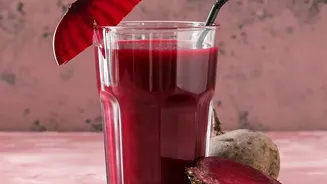
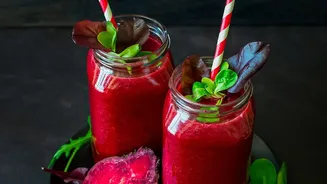
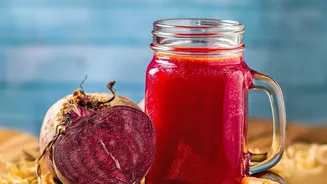
Imagine the goodness of amla and beetroot, but without the purple-stained fingers and whirring blender. That's the core promise of these cubes. They are typically made from the pulp or juice of fresh amla (Indian gooseberry) and beetroot, which is then
portioned and frozen or otherwise preserved. The idea is simple: drop a cube into a glass of water, let it dissolve, and you have an instant drink. This taps into a growing trend in India where consumers are looking for convenient, health-focused food options that fit into busy lifestyles. These products are designed for speed and simplicity, aiming to deliver the benefits of key ingredients without the prep time.
The Powerhouse Ingredients
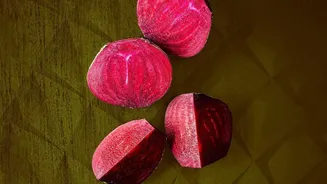
The appeal of these cubes comes from their two star ingredients. Amla is one of the most potent natural sources of Vitamin C, containing significantly more than most citrus fruits. This vitamin is crucial for immune function and skin health, as it aids in collagen production. Amla is also rich in antioxidants and has been used in Ayurvedic traditions to support digestion and hair health. Beetroot, meanwhile, is known for its high content of dietary nitrates, which the body converts into nitric oxide. This molecule helps relax blood vessels, potentially supporting healthy blood pressure and blood flow. Beets also contain beneficial compounds called betalains, which have antioxidant and anti-inflammatory properties. Together, the two are seen as a powerful combination for detoxification support, immunity, and overall vitality.
Convenience vs. Fresh: The Big Trade-Off
The primary advantage of amla beetroot cubes is undeniable: convenience. They eliminate waste, save time, and offer perfect portion control. However, the trade-off is the question of nutritional integrity compared to freshly blended juice. The good news is that freezing is an effective method of preservation. Produce is often frozen at its peak ripeness, which helps lock in nutrients. Studies have shown that frozen fruits and vegetables can retain their vitamin content, sometimes even better than fresh produce that has been stored for several days, as nutrients like Vitamin C can degrade over time after harvesting. The main potential for nutrient loss comes from processing steps before freezing, such as blanching (a brief heating process), which can reduce water-soluble vitamins. However, most fruits are not blanched, preserving more of their nutrients. When choosing cubes, it's worth remembering that fresh blending often includes the fibre from the whole fruit, which is beneficial for digestion and may be reduced in juiced-then-frozen products.
How to Choose the Best Cubes
Not all convenience products are created equal. When shopping for amla beetroot cubes, the ingredient list is your best friend. Look for products with minimal additives. Ideally, the list should just be amla and beetroot. Be wary of 'health-washed' versions that contain added sugars, artificial flavours, or unnecessary preservatives, as these can negate the health benefits. Check the ratio of ingredients if possible; you want a product that offers a meaningful amount of both amla and beetroot, not one that is mostly filler or a less expensive fruit juice. A 'clean label'—one with simple, recognisable ingredients—is generally a good sign. This aligns with a broader consumer shift toward foods that are not just convenient but also transparent about what they contain.
Are They Right for You?
Amla beetroot cubes are a practical tool, not a magic potion. They are ideal for individuals with packed schedules who struggle to incorporate fresh juices into their routine but still want the foundational benefits of these superfoods. They're also great for those who travel or want a no-mess option at the office. However, if you enjoy the ritual of making fresh juice, have the time for it, and prioritise getting the maximum amount of fibre and nutrients from whole foods, then sticking to your blender is likely the superior choice. These cubes should be seen as a supplement to a healthy diet, not a replacement for eating a wide variety of whole fruits and vegetables. They offer a bridge to better habits, making it easier to be consistent on days when time is your biggest enemy.