

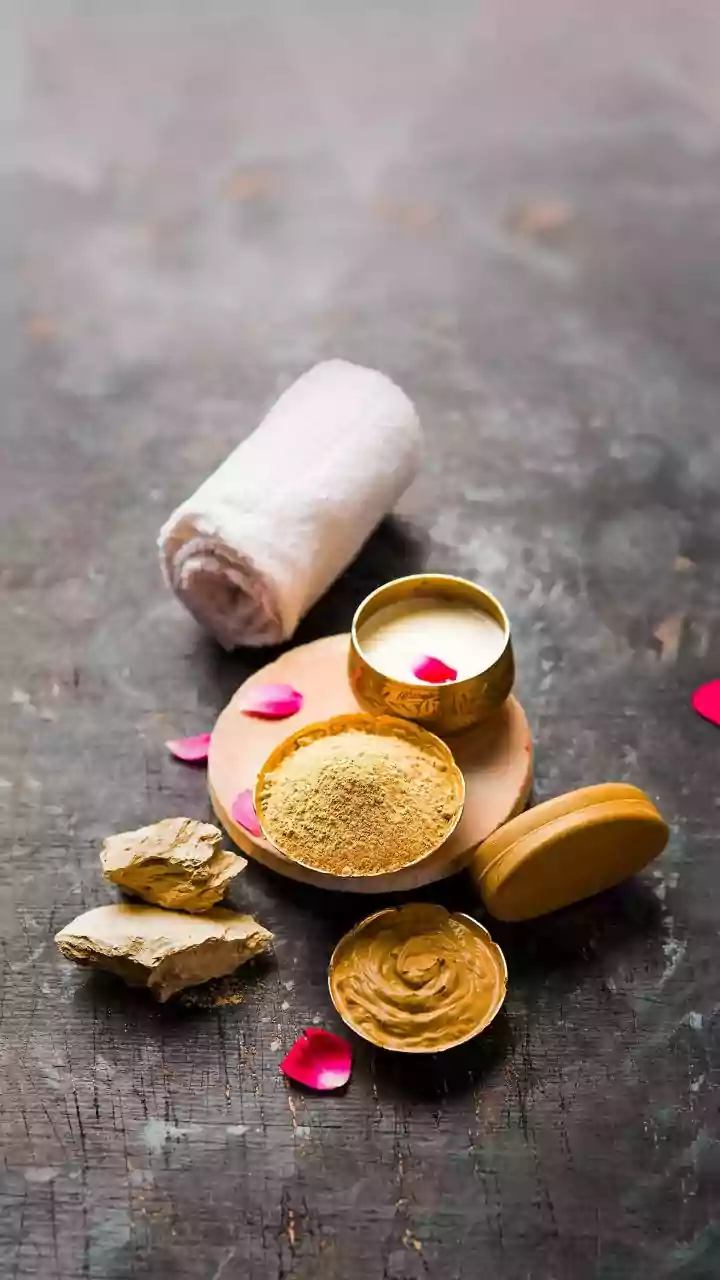







The New Beauty Heartland
For years, the latest beauty and skincare trends were born and bred in the bustling lanes of Delhi and Mumbai. But today, the narrative is changing. A significant portion of growth in India's beauty and personal care market is now powered by consumers
in Tier 2 and Tier 3 cities. A recent report from Flipkart highlighted that two out of every three beauty searches on its platform originate from non-metro areas, with cities like Cuttack, Gorakhpur, Kottayam, and Jamnagar emerging as key growth drivers. This shift indicates that what was once an aspirational category for special occasions has transformed into a daily ritual of self-care and expression across the country. Direct-to-consumer (D2C) brands have seen this firsthand, with some reporting that over 60% of their revenue now comes from outside major metros.
Digital Access and the E-Commerce Boom
The single biggest catalyst for this change is the internet. E-commerce platforms like Nykaa, Flipkart, Amazon, and Myntra have democratised access to beauty, bringing international and homegrown brands to doorsteps in the smallest of towns. The growth is stark: online beauty sales have surged, far outpacing the growth of physical stores. This digital rewiring of consumption hasn't just met existing demand; it has actively created it by offering extensive choice and convenience. Furthermore, the rise of quick commerce platforms like Blinkit and Zepto means consumers can get their hands on a trending serum or sunscreen in hours, if not minutes, fuelling impulse buys and cementing the habit of online beauty shopping.
From K-Beauty to Science-Backed Skincare
So, what are these newly empowered consumers buying? The trends are surprisingly global. There's a huge demand for ingredient-driven, science-backed skincare, with consumers actively searching for products containing niacinamide, hyaluronic acid, and vitamin C to tackle concerns like acne and pigmentation. The Korean beauty wave, with its focus on elaborate routines and innovative formulations, has also found a strong foothold. At the same time, there's a parallel movement towards "A-Beauty" or Ayurvedic Beauty, where traditional Indian ingredients are blended with modern science. This shows a consumer who is both globally aware and locally rooted. Even the men's grooming category is exploding, with a 65% year-on-year growth driven by searches for face wash, serums, and sunscreens.
The Influencer Effect
Alongside e-commerce, social media has been a powerful educator and trendsetter. Beauty influencers, including a growing number of regional creators who produce content in local languages, have become trusted sources for reviews, tutorials, and recommendations. They break down complex topics like chemical exfoliation or the benefits of retinol, making skincare science accessible to everyone. By watching their favourite creators on YouTube and Instagram, consumers in cities like Indore, Jaipur, and Surat have become more informed and aspirational than ever before. They are no longer passive buyers but active participants who are ingredient-conscious and outcome-driven.
How Brands Are Responding
Brands have been quick to recognise this seismic shift. The strategy is no longer just about being available online; it's about connecting with this new audience authentically. Many D2C brands are innovating based on insights gathered from these smaller markets. To overcome price barriers for premium products, brands are introducing smaller, more affordable pack sizes, making an Rs. 800 serum accessible in an Rs. 200-400 trial format. Marketing is becoming more localised, and the supply chain is being reconfigured to ensure faster delivery to scattered pin codes. This omnichannel approach—combining online discovery with offline availability—is proving crucial for building trust and scaling in a market that has truly gone national.