






The Foundation: Dal and Rice
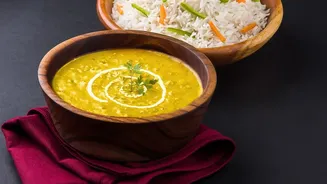
The two main pillars of the meal are lentils (dal) and rice. Prices for these essentials vary significantly by type and quality. Toor (Arhar) dal, a household favourite, has seen considerable price movement. As of late 2026, average retail prices hover
around ₹128-130 per kg, though premium or organic varieties can be higher. Recent reports from Karnataka showed prices for some varieties reaching up to ₹145 per kg due to dry spells impacting cultivation.For a family of four, a single meal typically requires about 150-200 grams of dal. This puts the cost for just the dal component at approximately ₹20-₹26.Rice prices also span a wide spectrum. Basic non-basmati varieties like Sona Masuri can cost between ₹60-₹80 per kg, while daily-use Basmati might range from ₹70-₹120 per kg. Assuming a family consumes around 400-500 grams of mid-range rice for one meal, the cost comes to about ₹35-₹50.
The Sabzi Basket: Fresh and Fluctuating
The 'sabzi' or vegetable dish is where costs can be most volatile, heavily dependent on seasonality and supply chains. Onions, tomatoes, and potatoes form the base of many Indian dishes. In September and October 2026, onion prices saw a dramatic surge, with all-India average retail prices hitting over ₹53 per kg, and even reaching ₹60-₹70 in cities like Pune. This was a year-on-year increase of nearly 90%. Tomatoes have been fluctuating between ₹30 to ₹42 per kg, while potatoes have risen to ₹35-₹40 per kg in some areas due to festive demand.Preparing a single sabzi for four, using a mix of these staples and a seasonal vegetable like okra (bhindi) at ₹110-₹120/kg or cabbage at ₹60-₹70/kg, could easily cost between ₹60 and ₹90, including oil and spices. This variability makes the sabzi the wild card in the daily food budget.
The Essentials: Oil, Spices, and Fuel
Beyond the main ingredients, several other costs add up. Cooking oil, essential for both the dal tadka and the sabzi, is a significant recurring expense. Spices like turmeric, cumin, mustard seeds, and chilli powder, while bought in larger quantities, contribute a few rupees to every meal. However, the most significant 'hidden' cost is often the cooking fuel itself. As of October 2026, the price of a standard 14.2 kg domestic LPG cylinder remains steady at approximately ₹942 in Delhi, ₹941.50 in Mumbai, and ₹957.50 in Chennai. Assuming a cylinder lasts a family of four for about 45-50 days, the per-day cooking cost is roughly ₹19-₹21. This translates to about ₹7-₹10 per major meal, an often-overlooked but crucial part of the overall expense.
Putting It All Together: The Daily Cost
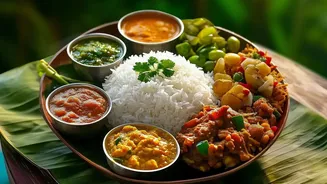
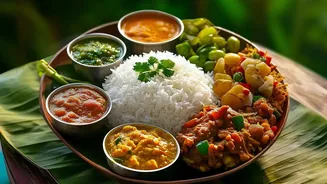
So, what's the final tally for one meal of dal, rice, and sabzi for a family of four? Based on the mid-range estimates from late 2026, the breakdown is:- Dal: ₹23- Rice: ₹42- Sabzi (including oil/spices): ₹75- LPG Fuel: ₹8This brings the total cost for a single home-cooked meal to approximately ₹148. If the family eats this or a similarly costed meal twice a day, the daily expenditure on food comes to nearly ₹300. Extrapolated over a month, a middle-class family could be spending between ₹8,000 to ₹9,000 on just these basic home-cooked meals. A CRISIL report from September 2026 calculated the average cost of a single home-cooked vegetarian thali at ₹30.8, which would equate to roughly ₹123 for a family of four for one meal, closely aligning with these component-based calculations.