




The Trouble with the Cereal Aisle
For years, the allure of a quick, ready-to-eat breakfast from a colourful box was undeniable, especially in fast-paced urban households. However, a growing awareness is dawning on consumers about what’s really inside. Many popular breakfast cereals are highly
processed, stripping away essential nutrients like fibre and vitamins from the original grains. What's often left is a product high in refined carbohydrates and, most concerningly, added sugar. Starting the day with a high-sugar meal can lead to a rapid spike in blood sugar, followed by a crash that leaves you feeling tired, unfocused, and hungry long before lunchtime. This cycle can contribute to overeating, weight gain, and long-term health issues like insulin resistance.
Sattu: The Desi Superfood's Comeback
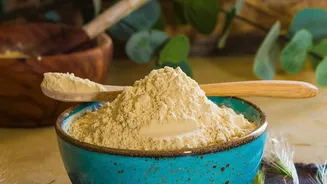
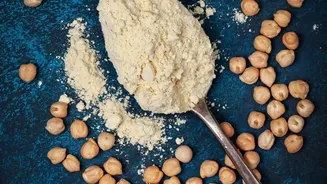
Enter sattu, the humble powerhouse that has fuelled generations in states like Bihar, Jharkhand, and Uttar Pradesh. This flour, typically made from roasted Bengal gram (chana), is experiencing a major revival. Its nutritional profile is impressive: a 100-gram serving packs around 20-25 grams of plant-based protein, which is crucial for muscle repair and satiety. Furthermore, sattu is rich in dietary fibre, which aids digestion, promotes gut health, and keeps you feeling full for longer. One of its standout features is its low glycemic index (GI), meaning it releases energy slowly and steadily, preventing the energy spikes and crashes associated with sugary foods. This makes it an excellent choice for sustained energy throughout the morning and for individuals managing blood sugar levels.
Sprouted Legumes: A Bowl of Living Nutrition
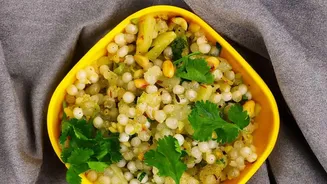
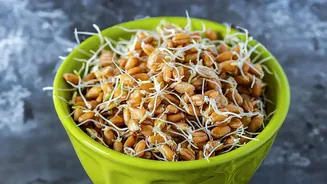
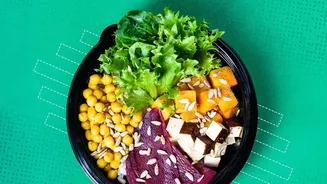
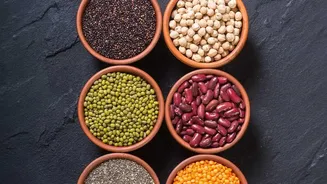
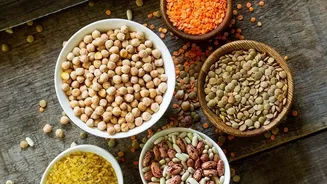
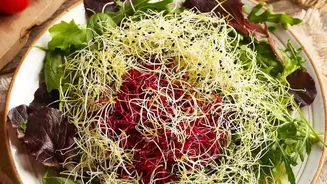
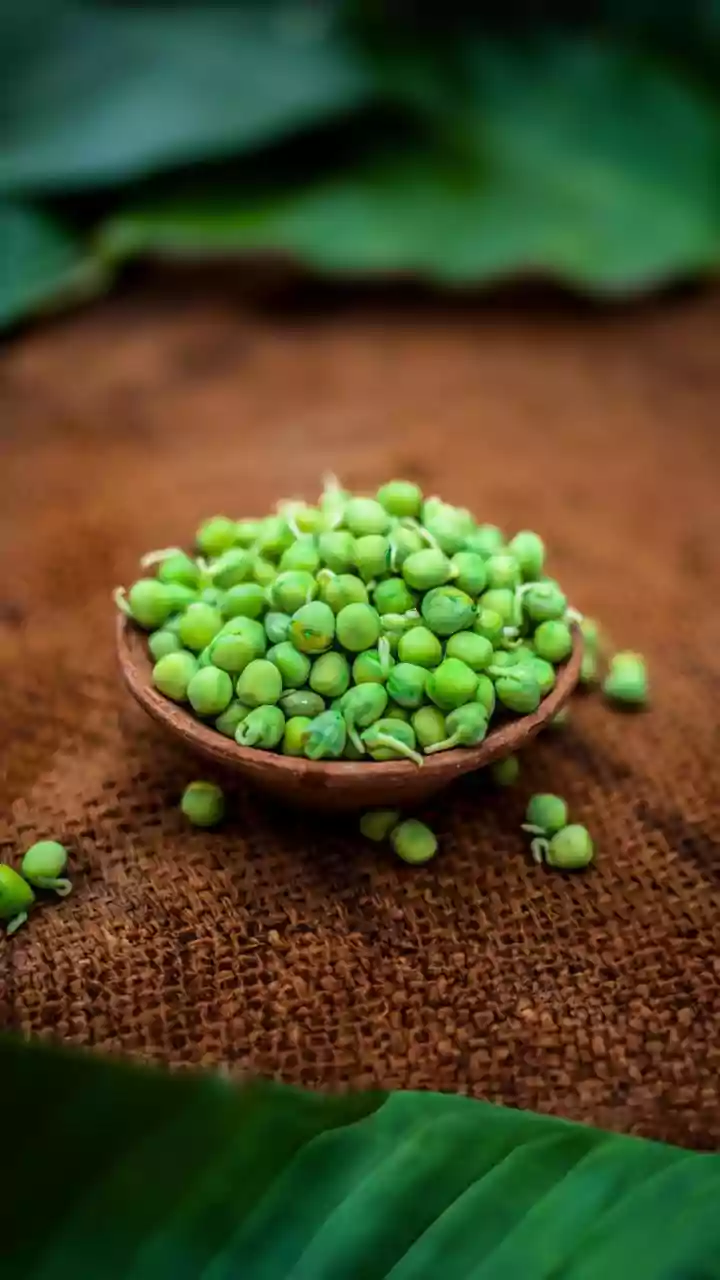
Alongside sattu, sprouted legume bowls are gaining traction as a vibrant and nutritious breakfast. The process of sprouting, or germinating, transforms legumes like moong beans and chickpeas into nutritional dynamos. Sprouting significantly increases the bioavailability of nutrients like iron, zinc, and B vitamins. It also breaks down anti-nutrients like phytic acid, which can interfere with mineral absorption, making the sprouts easier to digest. A bowl of cooked sprouted moong is low in calories but rich in protein, fibre, and vital enzymes. This combination supports a healthy metabolism, aids in weight management by promoting fullness, and provides a hydrating start to the day, as sprouts have a high water content.
A Cultural Shift Towards Conscious Eating
This move away from packaged cereals is more than just a health trend; it represents a deeper cultural shift. For many, choosing traditional Indian breakfast options is a way of reconnecting with their roots and embracing local, minimally processed foods. While adopting a Western-style breakfast was once seen as a sign of modernity, today's confident Indian consumer is increasingly celebrating native wellness traditions. There's a growing understanding that a hot, freshly prepared meal offers a different kind of satisfaction—one that feels both physically and psychologically fulfilling in a way that cold, processed cereal often cannot. This conscious choice reflects a desire for authenticity and a return to foods that are both nourishing and culturally resonant.
Making the Switch: Easy and Delicious
Adopting these healthier habits doesn't have to be complicated. Sattu is incredibly versatile. The most common way to enjoy it is as a simple sharbat—just mix a few tablespoons of sattu powder with water, a pinch of black salt, and a squeeze of lemon for a refreshing and filling drink. For a sweeter version, it can be mixed with buttermilk or milk and a little jaggery. Sprouted legume bowls are equally easy to prepare. Lightly steam a cup of moong sprouts and toss them with chopped cucumber, tomatoes, onions, and a sprinkle of chaat masala. This creates a quick, savoury salad that is both delicious and packed with life-giving nutrients. Both options offer a complete, protein-rich start to the day that outshines their sugary, boxed counterparts.