






The Joyful Benefits of Dance
Before you even take a step, it helps to know why dancing is such a powerful tool for wellness. As a form of cardiovascular exercise, it's fantastic for your heart and lungs. But the benefits are more than just physical. Moving to music is a proven mood-booster
that can reduce stress and improve your overall psychological well-being. Unlike repetitive gym exercises, a dance workout engages your entire body at once, improving coordination, balance, and muscle tone without feeling like work. The focus is on enjoyment and self-expression, making it a habit you are more likely to stick with.
Creating Your Personal Dance Space
You don’t need a special studio to get started. Find a small, clear area in your home, roughly two-by-two metres, where you can move freely without bumping into furniture. A non-slip surface like a hardwood floor is ideal. If you have carpet, just be mindful of your footwork to avoid tripping. Wear comfortable, breathable clothing that you can move in easily. Supportive shoes are a good idea for most floors, though some prefer to dance barefoot. The only other things you need are a speaker or headphones for your music and a water bottle to stay hydrated.
The Essential Warm-Up
Never skip a warm-up. It's crucial for preparing your muscles and preventing injury. A good warm-up gradually increases your heart rate and blood circulation, making your muscles more flexible. Spend about five to ten minutes on gentle, dynamic movements. Start with light cardio like marching in place or gentle jumping jacks. Then, move into dynamic stretches such as shoulder rolls, arm circles, hip swings, and gentle torso twists. The goal is to feel looser and more prepared for the energetic movement to come.
Finding Your Freestyle Moves
The beauty of freestyle is that there are no wrong moves. It’s all about letting your body react to the music. However, starting with a few foundational steps can help build confidence. Begin with simple, low-impact movements like a step-touch from side to side, marching in place, or heel digs. You can incorporate basic arm movements, like reaching overhead or pushing forward. Try a simple body roll or a two-step. Don't worry about looking perfect; focus on how the movement feels. Once you’re comfortable, you can start combining these basics into your own simple sequences.
Structuring Your First Workout
A structured session can help you get the most out of your dance time. For a beginner, a 20- to 30-minute workout three times a week is a fantastic starting point. A simple plan could look like this: a five-minute warm-up, followed by three or four songs for the main workout. Start with a song at a moderate tempo to find your groove, then pick a couple of higher-energy tracks to elevate your heart rate, and finish with a slower song to begin the transition to your cool-down. This structure provides a full workout without feeling overwhelming.
The All-Important Cool-Down
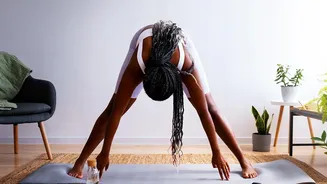
Just as you ease into your workout, you should also ease out of it. A cool-down of five to ten minutes helps your heart rate return to normal gradually and can reduce muscle soreness. It involves slowing down your movement—perhaps walking around the room—followed by static stretching. Hold each stretch for at least 15-30 seconds. Focus on the major muscle groups you've just worked, such as your calves, hamstrings, quadriceps, and shoulders. This is also a great moment to reflect on how the movement made you feel, reinforcing the positive experience.