



India's Next Interplanetary Frontier
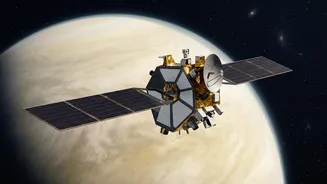
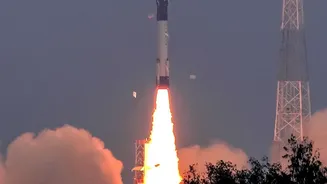
After the historic successes of Chandrayaan's lunar explorations and the Mangalyaan mission to Mars, the Indian Space Research Organisation (ISRO) is embarking on its next great adventure: the Venus Orbiter Mission, named Shukrayaan. Formally approved
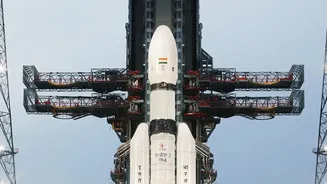
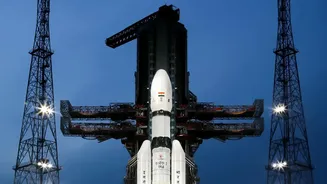
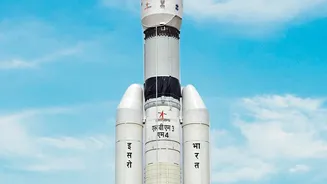
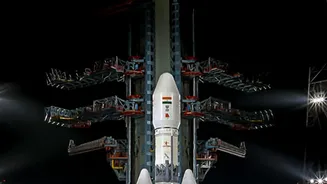
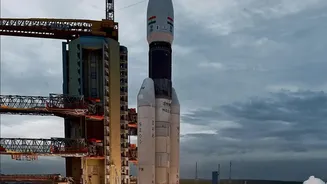
by the government in September 2024, this mission marks India's first dedicated voyage to our closest planetary neighbour. Scheduled for a March 29, 2028 launch aboard the powerful LVM-3 rocket, Shukrayaan represents a significant step in India's space program, expanding its focus to unravel the mysteries of the solar system’s most inhospitable planet. The mission will undertake a 112-day journey before entering orbit around Venus, beginning a multi-year study of the veiled world.
The Lost Twin: Why Venus?
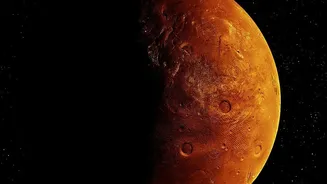
Venus is a planet of contradictions. It is similar in size and mass to Earth, leading scientists to believe it may have once hosted oceans and had a much more hospitable climate. Today, however, it is the hottest planet in our solar system, with surface temperatures high enough to melt lead and a crushing atmospheric pressure over 90 times that of Earth's. Its skies are filled with thick clouds of sulfuric acid, driven by a runaway greenhouse effect that turned the planet into a toxic furnace. For scientists, Venus serves as a crucial natural laboratory for understanding planetary evolution. By studying why Earth's twin took such a dramatically different path, we can gain invaluable insights into climate change, atmospheric science, and the delicate conditions that make a planet habitable.
Unveiling Secrets with Advanced Tools
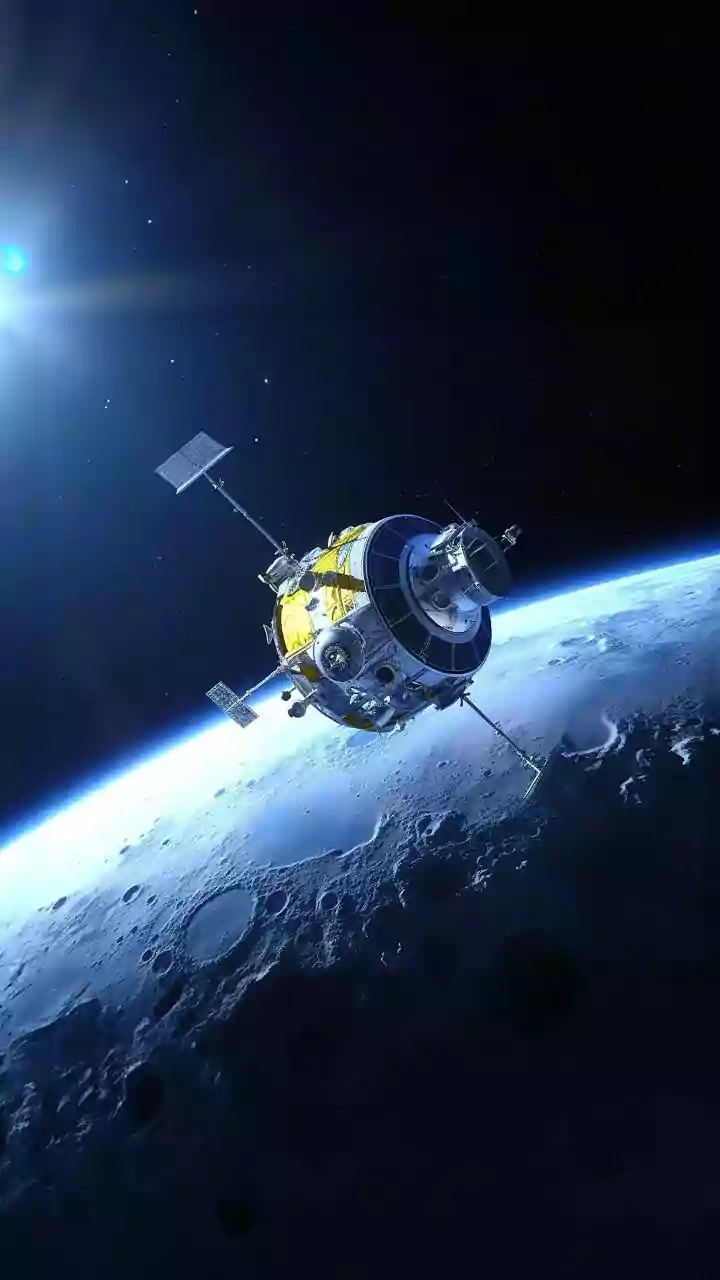
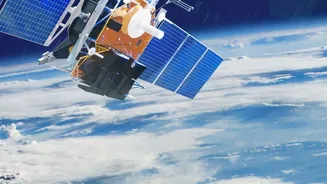
To penetrate Venus's famously thick cloud cover, Shukrayaan will be equipped with a suite of sophisticated instruments. The orbiter will carry around 100 kg of scientific payloads, including contributions from international partners like Sweden, Russia, and Germany. A primary instrument is a high-resolution Synthetic Aperture Radar (VSAR), designed to map the planet's surface and look for signs of geological activity like active volcanoes and lava flows. Another groundbreaking tool will be a ground-penetrating radar, a first for any Venus mission, which will study the planet’s subsurface. Other instruments will analyze the composition of the super-rotating atmosphere, measure the temperature of the clouds, and study how the solar wind interacts with the Venusian ionosphere.
Mission Objectives: A Planet of Mysteries
ISRO has laid out clear scientific goals for the Shukrayaan mission. The four-year mission aims to create a comprehensive global map of Venus’s surface and subsurface geology. It will investigate the chemistry of its atmosphere, trying to solve the puzzle of its extreme super-rotation, where the atmosphere circles the planet 60 times faster than the planet itself rotates. The mission will also explore the interaction between Venus and the solar wind, which is crucial for understanding how the planet lost its water. By studying these diverse phenomena, from its volcanic plains to the top of its acid clouds, ISRO hopes to piece together the complete story of Venus's dramatic evolution.
A Cautionary Tale for Earth
Beyond pure scientific curiosity, the Shukrayaan mission has profound implications for us here on Earth. Venus offers a stark example of a planet where the greenhouse effect has run rampant, boiling away oceans and rendering the surface uninhabitable. Understanding the precise mechanisms that led to this catastrophic climate shift can help refine our own climate models and provide a clearer picture of the tipping points that can alter a planet's environment. In a way, by studying the fate of our long-lost twin, we are also learning critical lessons about protecting the future of our own world, making Shukrayaan not just a mission of exploration, but one of vital planetary importance.