


The Setting: Valley Charm vs. Grand Vistas
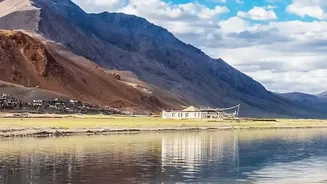
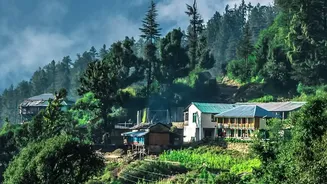
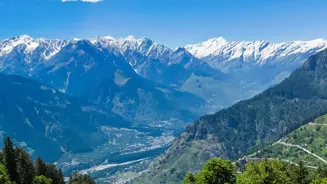
Your first point of comparison is the landscape itself. Sangla is located in the heart of the Baspa Valley, a lush, relatively wide valley carved by the river of the same name. It's characterized by dense forests of pine and oak, sprawling meadows, and charming
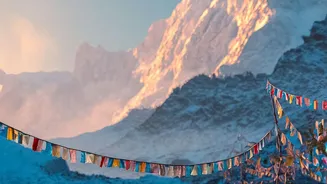
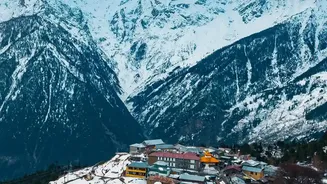
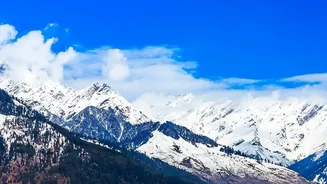
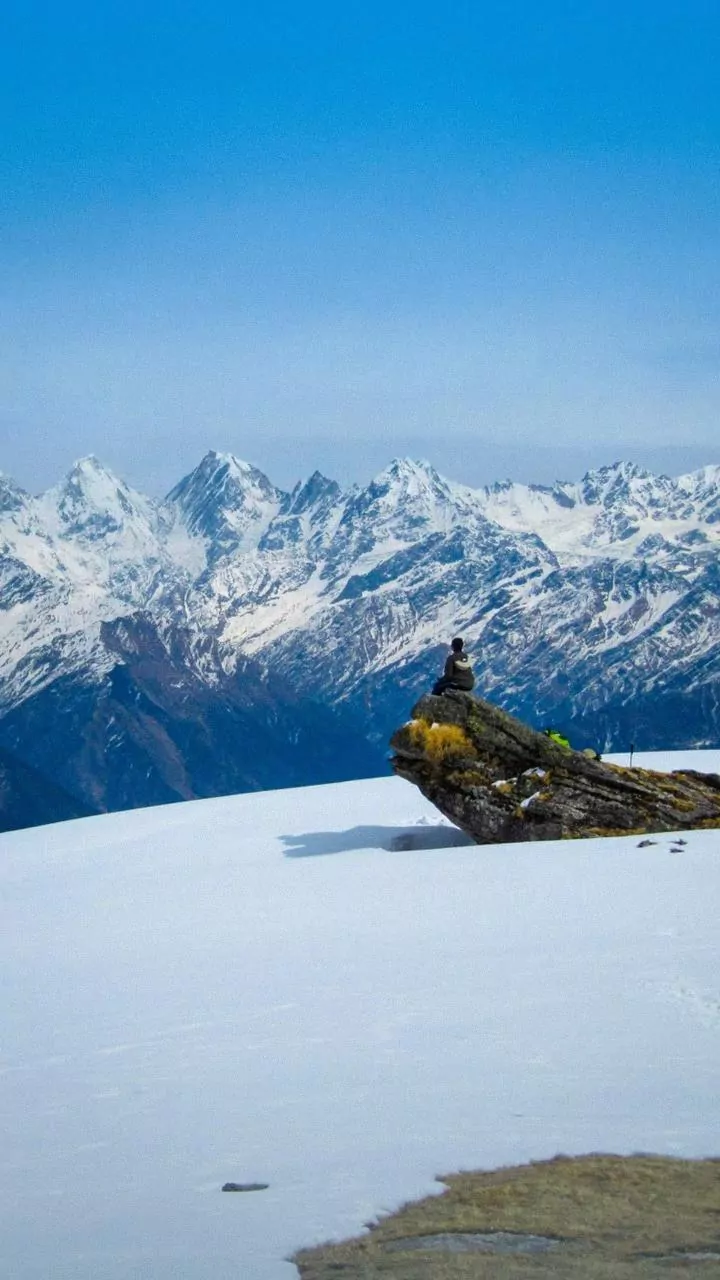
villages nestled along the river banks. The experience here is immersive; you are in the valley, surrounded by greenery and the sounds of the flowing river. Kalpa, on the other hand, is perched high on a ridge overlooking the Sutlej River gorge. Its claim to fame is the jaw-dropping, panoramic view of the Kinnaur Kailash range. From almost anywhere in Kalpa, you can witness the sun rising and setting on these sacred, snow-covered peaks, an experience many find deeply moving. So, the choice is between the enclosed, verdant charm of a valley and the expansive, awe-inspiring mountain panorama.
Accessibility: The Journey to Paradise
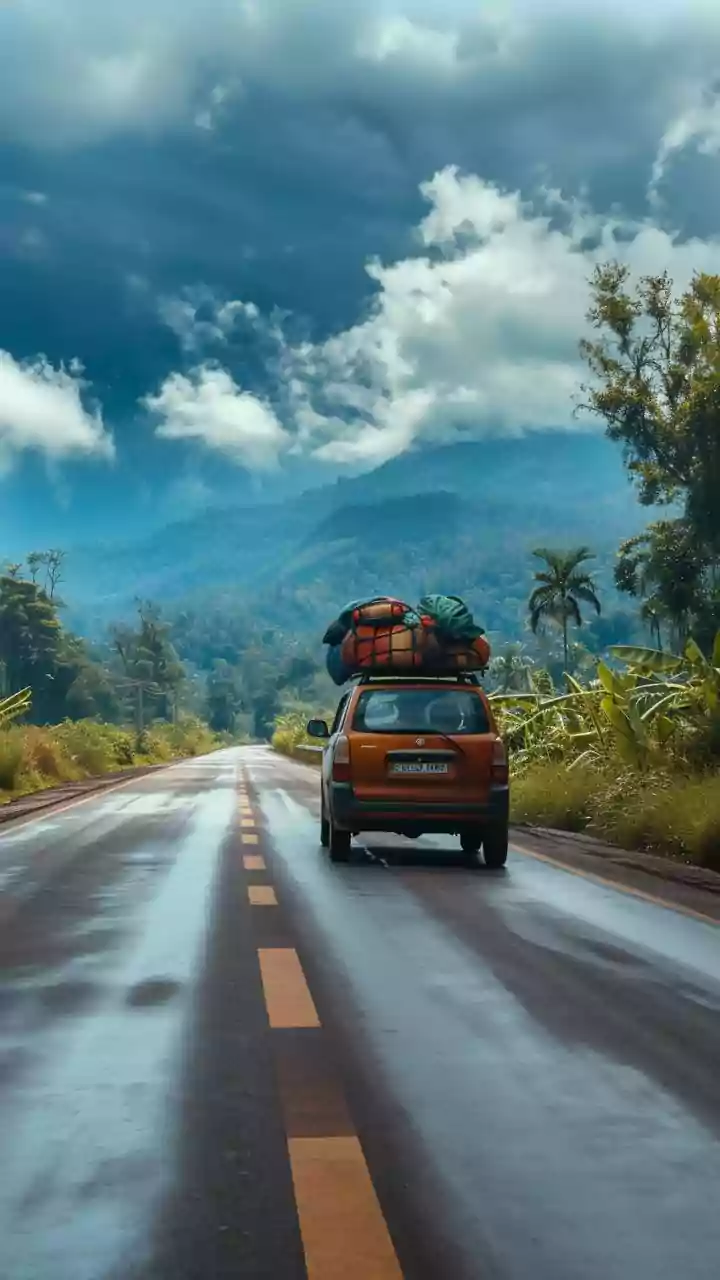
Both Sangla and Kalpa are typically reached via a road trip from Shimla, a journey that takes around 7-9 hours to either destination. The route follows National Highway 5, a road known for its adventurous and sometimes challenging stretches. The turn-off point for both is Karcham. From here, a road heads into the Baspa Valley to Sangla, approximately 40 km away. To reach Kalpa, you continue on the main highway towards Reckong Peo, the district headquarters, before making the final ascent. While both journeys are long, the road to Sangla can occasionally be more susceptible to blockages, especially during heavy snowfall in winter. Kalpa, being closer to the district headquarters, sometimes offers slightly more reliable year-round access.
Activities and Sightseeing: Exploration vs. Contemplation
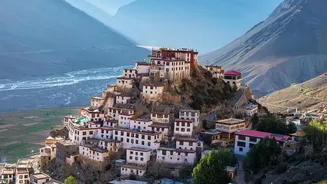
Sangla serves as a hub for exploration. From here, you can visit the historic Kamru Fort, explore the quaint village of Batseri with its traditional crafts, and take a day trip to Chitkul, often called the last inhabited village on the old Indo-Tibetan trade route. The Baspa River also offers opportunities for riverside camping and angling. Sangla is for the traveller who likes to have a checklist of places to see and things to do. Kalpa’s attractions are more contemplative. The main activity is soaking in the views of Kinnaur Kailash. You can wander through apple orchards, visit the serene Hu-Bu-Lan-Kar Monastery, and take a walk to the nearby Roghi village. While there are sites like the Narayan-Nagini temple, the experience in Kalpa is less about ticking off sights and more about finding a peaceful spot to sit and watch the mountains.
The Vibe: Vibrant Hub vs. Quiet Retreat
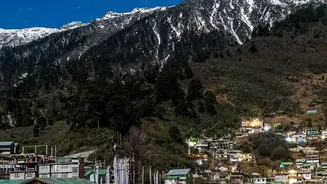
The general atmosphere of the two towns is distinctly different. Sangla, as the main town in the Baspa Valley, feels more like a bustling tourist hub, especially during peak season. It has a wider variety of restaurants, shops, and tour operators, making it a convenient base for exploring the valley. It's a social and lively place. Kalpa, in contrast, is quieter and more spread out. It feels less like a town and more like a collection of hamlets and hotels scattered across a mountainside. The pace of life is slower, and the focus is on tranquility and relaxation. If you're looking to meet other travellers and have more amenities at your fingertips, Sangla might be a better fit. If you seek solitude and a meditative escape, Kalpa is your answer.
Accommodation: Riverside Camps to Mountain-View Hotels
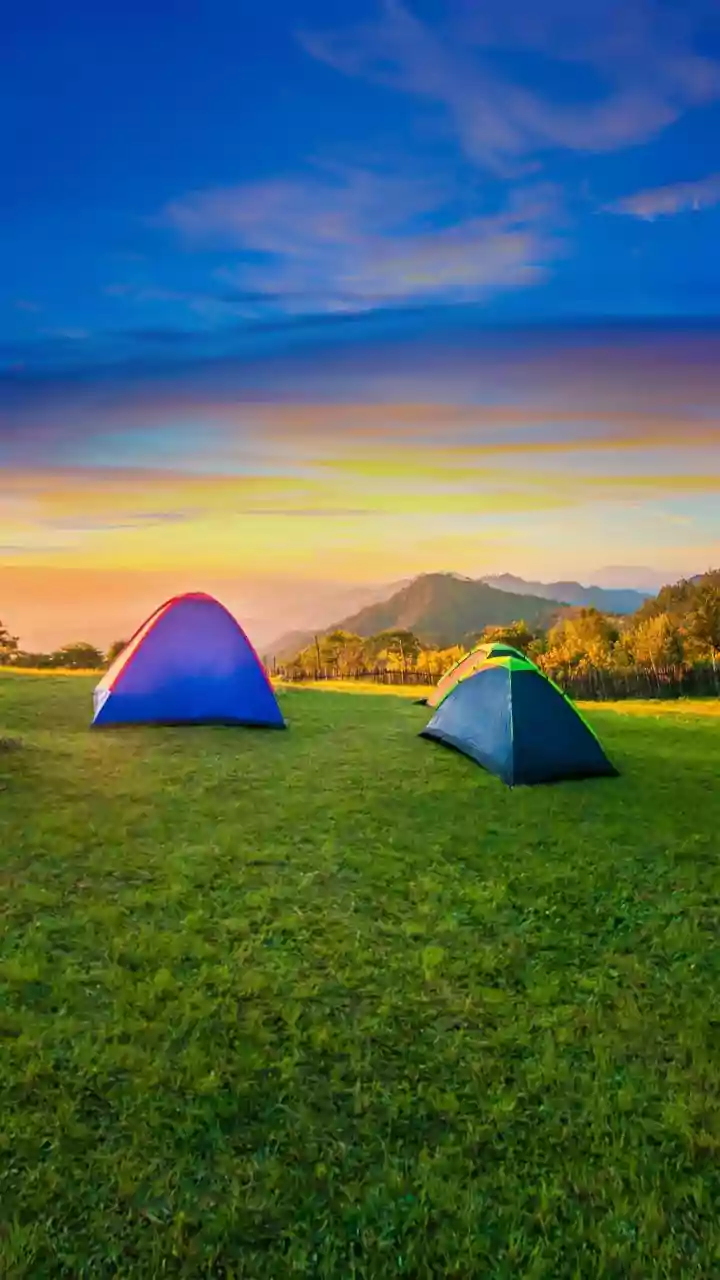
Both destinations offer a range of places to stay, from budget guesthouses to more comfortable hotels and homestays. In Sangla, you'll find numerous options, including popular riverside camps that offer a close-to-nature experience. There are also plenty of hotels and guesthouses in Sangla town itself. Kalpa's accommodations are prized for their views. Many hotels are built specifically to offer clear sightlines to the Kinnaur Kailash range, with balconies and windows facing the peaks. You can find everything from luxury stays to traditional homestays that offer an authentic taste of Kinnauri hospitality.