







The Foundation of Food Safety in India
The entire framework for food safety in India is built upon the Food Safety and Standards Act, 2006. This crucial piece of legislation led to the creation of the Food Safety and Standards Authority of India (FSSAI), the country's main regulatory body
for all things food-related. The FSSAI's job is to set the rules for everything from manufacturing and storage to the sale of food, ensuring it is safe and wholesome for consumption. For any restaurant, cafe, or food stall to operate legally, it must have a valid FSSAI license or registration. This isn't just a piece of paper; it's a signal to customers that the establishment is accountable to national safety standards. Operating without this license can lead to severe penalties, including hefty fines and even imprisonment.
Beyond a Tidy Counter: What is 'Documented Hygiene'?
A clean dining area is reassuring, but true hygiene goes much deeper. This is where "documented hygiene" comes in. It refers to a restaurant's formal Food Safety Management System (FSMS). Instead of just cleaning when things look dirty, a restaurant with good documented hygiene maintains detailed records. This includes daily cleaning schedules, temperature logs for refrigerators and freezers, pest control records, and proof of staff training on safe food handling practices. When a Food Safety Officer (FSO) conducts an inspection, they don't just look for visible cleanliness; they ask for these documents. This paper trail proves that the restaurant follows consistent, safe procedures day in and day out, not just on the day of the inspection.
Inside a Restaurant Kitchen Inspection
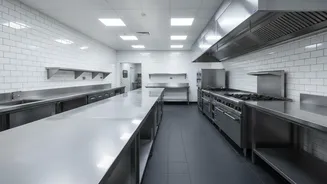
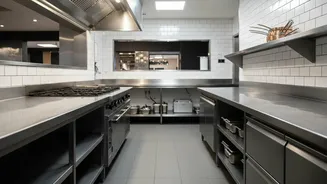
An FSSAI inspection, which can be scheduled or a complete surprise, is a thorough process. The FSO examines multiple critical areas of the establishment. They verify that the FSSAI license is valid and prominently displayed. The physical premises are scrutinized, from the cleanliness of kitchen floors and walls to the condition of cooking equipment. They check for proper food storage, ensuring raw and cooked foods are kept separate to prevent cross-contamination and that ingredients are stored at correct temperatures. Staff hygiene is another major focus, with inspectors observing if food handlers wear clean uniforms, caps, and gloves, and follow proper hand-washing protocols. Finally, they review the documentation—the logs and records that form the backbone of the restaurant's hygiene system.
From Inspection to Information: The Hygiene Rating Scheme
To make inspection results easy for consumers to understand, FSSAI introduced the voluntary Hygiene Rating Scheme. After an audit, restaurants are given a rating, typically on a scale of one to five, which reflects their compliance with food safety and hygiene standards. This rating is often displayed on a certificate, sometimes featuring smileys, at the restaurant's entrance. The goal is to allow customers to make an informed choice at a glance. A higher rating indicates better compliance with hygiene protocols. This initiative encourages restaurants to not only meet but exceed basic standards, using good hygiene as a way to build trust and attract customers. Some local bodies, like the Municipal Corporation of Delhi, have even rolled out their own grading systems to increase transparency.
How You Can Be a More Informed Diner
As a consumer, your awareness plays a vital role in upholding food safety standards. First, always look for the FSSAI license and the Hygiene Rating certificate, which should be displayed prominently in the establishment. According to a recent survey, a vast majority of consumers want these ratings to be publicly displayed. You can also check for ratings on the FSSAI's official Hygiene Rating portal or on food aggregator apps, which are increasingly required to show this information. Beyond official ratings, observe the general cleanliness of the dining area and washrooms. While you can't see the kitchen, these areas can offer clues about the establishment's overall standards. By choosing to patronize restaurants that are transparent about their hygiene, you support a culture of safety in the food industry.