


The Heart of the Matter: What the Science Says
Recent research has continued to build a strong case for including pulses in a heart-healthy diet. A key finding from a large meta-analysis of controlled trials is that regularly eating pulses can significantly lower LDL cholesterol, often called 'bad'
cholesterol. One study highlighted that eating about a three-quarter cup serving (around 130g) of pulses per day could lower LDL cholesterol by about 5%. This reduction is significant because high LDL cholesterol is a major risk factor for cardiovascular disease. The benefits don't stop there. Pulses are packed with soluble fibre, which plays a crucial role in preventing cholesterol from being absorbed in the gut. They also have a low glycemic index, which helps manage blood sugar levels, and are rich in potassium and magnesium, minerals known to help regulate blood pressure. Some studies have even linked a higher intake of legumes—about four times a week—to a notable decrease in the risk of developing heart disease.
India's Heart-Healthy Heroes
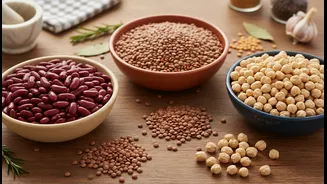
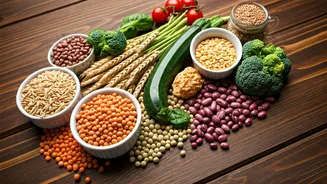
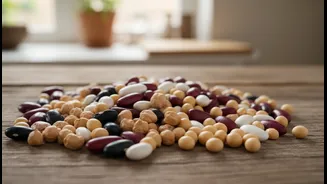
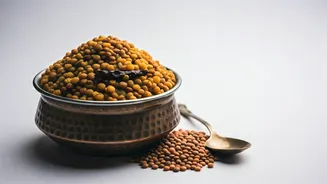
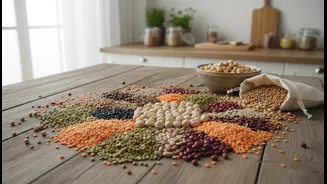
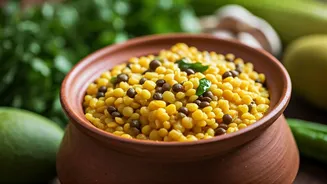
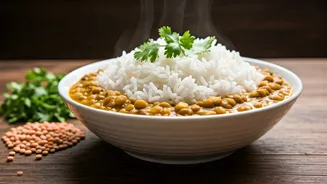
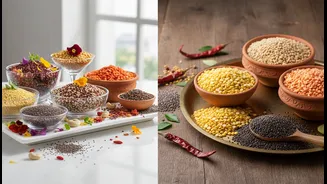
The good news is that many of the most beneficial pulses are already staples in Indian cuisine. These are not exotic, hard-to-find ingredients, but rather the familiar contents of our pantries. Some of the top contenders include lentils (dal), such as moong, masoor, and toor, which are excellent sources of plant-based protein and fibre. Chickpeas (chana), kidney beans (rajma), and black-eyed peas (lobia) are also nutritional powerhouses. These pulses are naturally low in fat and free of cholesterol. Their high fibre and protein content also contribute to a feeling of fullness, which can help with weight management—another crucial factor for cardiovascular health.
How Much Is Enough?
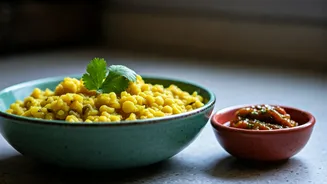
Scientific studies often talk in grams and cups, but what does that look like on your plate? The research suggests that a daily serving is beneficial. This equates to about 130-150 grams of cooked pulses, or roughly three-quarters of a cup. For a typical Indian household, this is easily achievable. It could be a 'katori' (small bowl) of dal with your lunch, a serving of chana masala for dinner, or a mixed bean salad. The goal is consistency. Rather than eating a large amount once a week, incorporating a moderate serving into your daily meals appears to be the most effective approach for reaping the cardiovascular benefits.
Easy Ways to Eat More Pulses
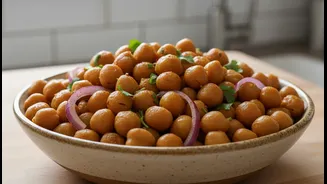
While dal is a fantastic and healthy staple, there are many other creative ways to boost your pulse intake. Think beyond the usual preparations. You can add a handful of chickpeas or kidney beans to your vegetable stir-fries or salads. Roasted chickpeas make for a crunchy, satisfying, and protein-packed snack. Blending pulses into soups and stews is an excellent way to thicken them while adding nutrients. You can also make your own hummus with chickpeas for a healthy dip, or create patties for vegetarian burgers using mashed beans or lentils. For those who are new to eating a lot of pulses, it's a good idea to start small and gradually increase the amount to allow your digestive system to adjust. Soaking dried beans overnight can also help.
Getting Started: A Simple Pantry Plan
Stocking your kitchen for success is simple. Both dried and canned pulses are great options. Canned versions offer convenience—just remember to rinse them well to remove excess sodium. Dried pulses are often more economical and can be cooked in batches to use throughout the week. A well-stocked pulse pantry might include a few types of lentils (red, green, brown), chickpeas, kidney beans, and black beans. Having this variety on hand makes it easy to add them to whatever you're cooking, from traditional Indian dishes to Mediterranean-inspired salads, ensuring you never miss an opportunity to give your heart a healthy boost.