







What Exactly Is Kanji?
At its heart, Kanji is a traditional fermented beverage originating from North India, particularly popular in states like Punjab, Uttar Pradesh, and Rajasthan. It’s a beautifully simple concoction, traditionally made with seasonal black carrots, water,
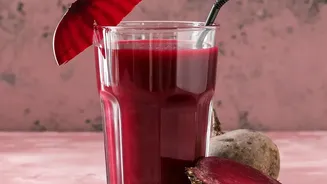
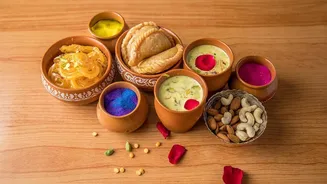
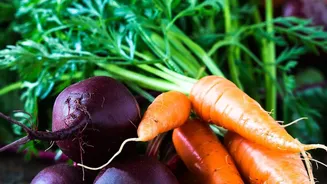
salt, and coarsely ground mustard seeds. The mixture is left to ferment in the sun for several days, a process that transforms it into a drink with a distinctive tangy, pungent, and slightly salty flavour. While black carrots give Kanji its classic deep purple hue, many variations exist, with beetroot often used to impart a vibrant colour and earthy sweetness, especially when black carrots are not in season. This drink has long been a staple during the transition from winter to spring and is often associated with the festival of Holi.
The Science Behind This Superfood
The magic of Kanji lies in fermentation. The process encourages the growth of beneficial bacteria, making it a rich source of natural probiotics. These live microorganisms are essential for maintaining a healthy gut microbiome, which is crucial for everything from digestion to immune function. Unlike many commercial probiotic drinks, homemade Kanji is free from preservatives and added sugars. The primary ingredients are nutritional heroes in their own right. Black carrots and beetroot are packed with antioxidants, particularly anthocyanins, which give them their dark colour and help fight inflammation and oxidative stress in the body. The drink is also a source of essential nutrients like Vitamin A, Vitamin C, and potassium, all while being low in calories. Some experts even highlight that fermentation produces postbiotics—beneficial compounds like organic acids and short-chain fatty acids that directly support gut health.
Why The Strong Kitchen Comeback?
The resurgence of Kanji isn't just about nostalgia; it’s a reflection of a global shift towards wellness and natural living. As people become more aware of the importance of gut health, there is a growing interest in fermented foods. Many are seeking healthier, homegrown alternatives to sugary sodas and processed juices, and Kanji fits this need perfectly. Often dubbed the 'Indian Kombucha', it offers similar probiotic benefits but with a familiar, desi flavour profile. The pandemic also accelerated the focus on immunity, prompting many to look towards traditional wisdom for solutions. Food bloggers and health influencers on social media have played a significant role, sharing recipes and reintroducing this forgotten gem to a new generation eager to connect with their culinary roots.
Your Guide to Making Kanji at Home
Making your own batch of Kanji is surprisingly simple and requires just a few ingredients and a little patience. You’ll need about half a kilogram of black carrots or a mix of regular carrots and one beetroot, two litres of water, about two to three tablespoons of coarsely ground mustard seeds (rai), and black salt (kala namak) to taste. First, boil the water and let it cool down completely. While it cools, wash, peel, and cut the carrots and beetroot into thick, two-inch-long batons. In a large, clean glass or ceramic jar, combine the vegetable sticks, ground mustard, and salt. Pour the cooled water over the ingredients and stir well with a clean spoon. Cover the mouth of the jar with a thin muslin cloth, securing it with a string. Place the jar in a sunny spot for three to five days, depending on the intensity of the sun. Remember to stir the mixture once every day. You'll know the Kanji is ready when it develops a tangy, sour aroma and its colour deepens. The taste is acquired, but its health benefits are undeniable.