

The Larder's Grand Return
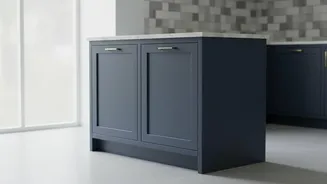
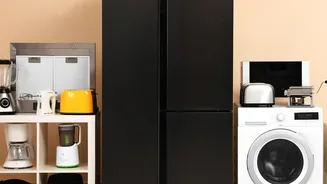
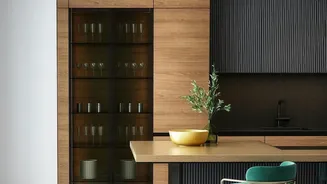
For years, the ideal kitchen was a seamless wall of integrated cabinets. But a desire for personality, warmth, and adaptability has sparked the resurgence of the freestanding larder or pantry cupboard. Unlike built-in units, these standalone pieces feel
like curated furniture, adding character to the heart of the home. Designers point to the trend of the 'unfitted kitchen,' where individual pieces are chosen for their form and function. A key advantage is its flexibility; renters can take it with them, and homeowners can reposition it as their needs change without a major renovation. This return to a classic storage hero is less about nostalgia and more about smarter, more personalised living.
The Central Hub for a Calm Kitchen
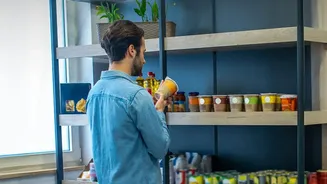
The true beauty of a larder lies in its ability to declutter both your space and your mind. By consolidating all dry goods—from dals and rice to spices, oils, and snacks—into one dedicated spot, it frees up valuable counter space and other cabinets. This creates a calmer, more organised cooking environment. A well-organised larder means no more rummaging through multiple cupboards to find that one ingredient. Everything is visible and accessible, making meal prep and inventory checks significantly easier. Functionally, a larder can transform the daily rhythm of a kitchen, making cooking a more enjoyable and efficient process.
Clear Bins and Woven Baskets
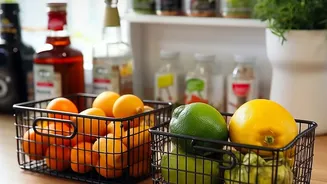
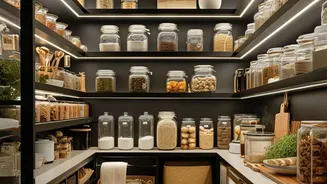
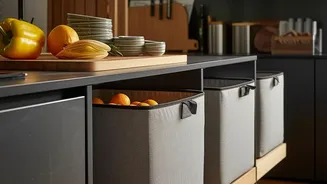
Once you have your larder, the magic is in how you equip it. Clear, stackable bins are a game-changer. Use them to group similar items like baking supplies, pasta packets, or kids' snacks. Their transparency allows you to see exactly what you have at a glance, preventing duplicate purchases and reducing food waste. For items that don't need to be sealed, like onions, potatoes, or pre-packaged snacks, woven baskets made from jute or wicker add a touch of rustic texture. They allow for air circulation and can be easily pulled out like drawers.
Decant into Uniform Jars
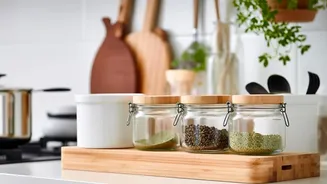
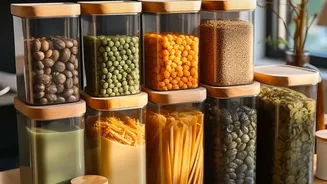
One of the most visually satisfying and practical steps is to decant bulk items into uniform containers. Transferring lentils, flour, sugar, and spices into clear glass or acrylic jars creates a clean, cohesive look. More importantly, it keeps food fresh and protected from pests. This system also makes it incredibly easy to see when you're running low on a particular staple. Remember to label everything clearly, either on the lid or the jar itself, to avoid any mix-ups during cooking.
Maximise Every Inch of Space
To truly make your larder work hard, think vertically and use every available surface. Tiered shelf inserts or risers are perfect for cans and small jars, allowing you to see items at the back without having to move everything in front. Don't forget the inside of the doors; slim spice racks or holders for foil and cling film are excellent additions. A lazy Susan, or turntable, is another brilliant tool for deep corners, providing easy, rotating access to oils, vinegars, and sauces that might otherwise get lost.
Arrange by Use, Not by Chance
Finally, organise your larder with a clear system based on frequency of use. Keep everyday essentials like breakfast cereals, frequently used oils, and dinner staples at eye level for easy access. Items you use less often, such as special baking ingredients or bulk backup supplies, can go on the highest or lowest shelves. If you have children, consider creating a designated 'snack zone' on a lower, accessible shelf. This thoughtful arrangement isn't a one-time task but a habit that makes daily kitchen life smoother for everyone in the household.