


A Silent, Invisible Threat
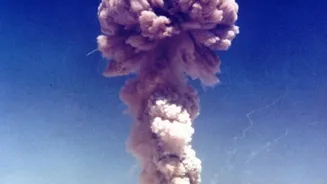
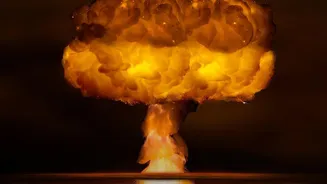
A recent paper by researchers from the University of Wisconsin–Madison and Princeton University simulated a one-megaton nuclear explosion about 500 kilometres above the Earth. The study, which has not yet been peer-reviewed, concluded that such an event
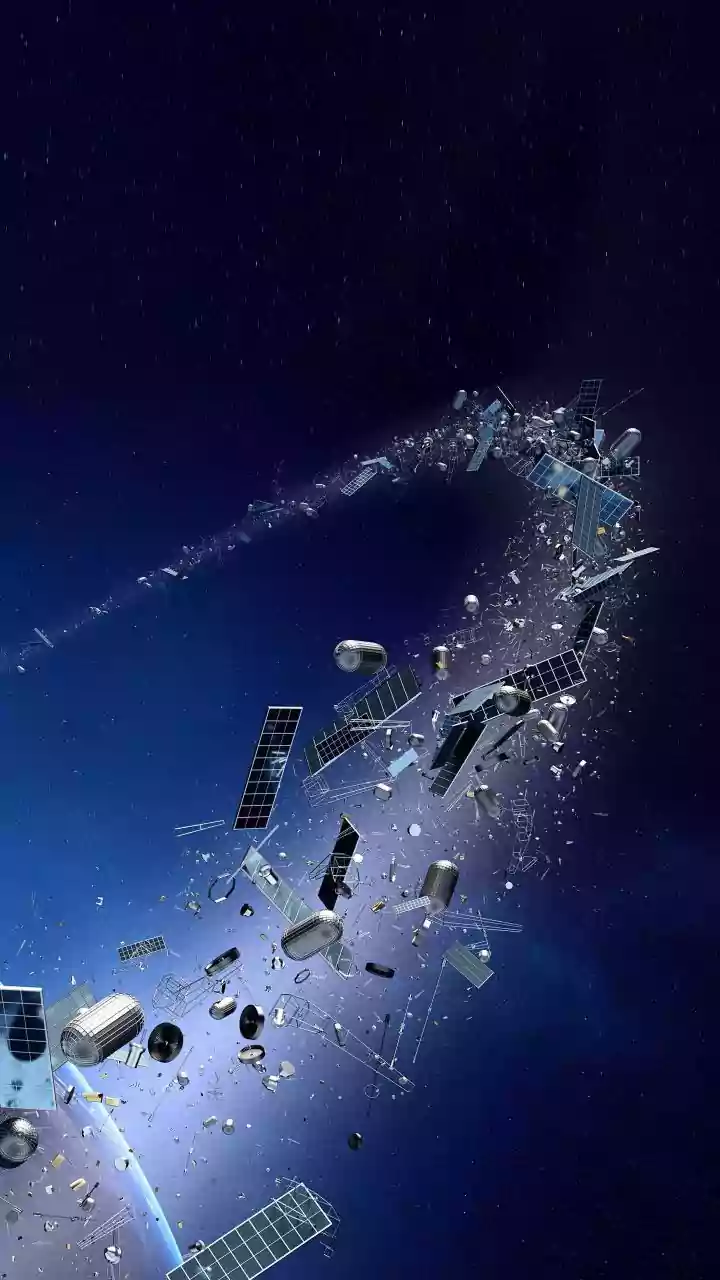
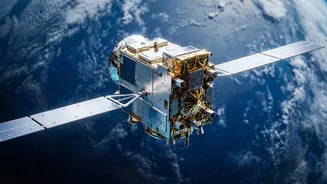
would be catastrophic for the infrastructure that powers modern life. The immediate blast isn't the main problem. The initial burst of X-rays would disable only around 3% of satellites in low-Earth orbit (LEO). The far greater danger comes from what the explosion leaves behind: an artificial radiation belt. Electrons from the fission products get trapped by Earth's magnetic field, creating a lingering zone of intense radiation that satellites repeatedly pass through.
The Simulated Blackout
The model, which included roughly 13,300 active satellites in LEO, painted a grim picture of the aftermath. Within a single day, an estimated 25% of the satellite fleet would fail. After three days, that number jumps to 78%. By the end of one week, a staggering 98% of all LEO satellites would be disabled. This isn't an instant wipeout, but a steady, cumulative degradation as each satellite's electronics absorb a fatal dose of radiation from repeated passes through the newly formed belt. Even satellites with enhanced radiation shielding would not be safe, with models showing 99% would still fail within a month. The result would be a crippling loss of services we rely on daily, including global communications, weather forecasting, navigation systems, and financial transactions.
A Warning From the Cold War
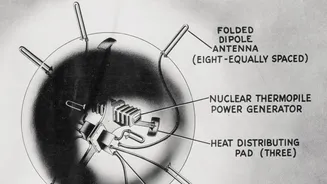
This terrifying scenario is not pure science fiction. It is based on a real-world event. On July 9, 1962, the United States conducted the 'Starfish Prime' test, detonating a 1.4-megaton warhead 400 kilometres over the Pacific Ocean. The electromagnetic pulse (EMP) was far stronger than expected, causing power outages and blowing out streetlights in Hawaii, nearly 1,500 kilometres away. More importantly, it created an artificial radiation belt that damaged at least six satellites, including the pioneering Telstar communications satellite, which failed within months. At the time, only a few dozen satellites were in orbit. Today, there are tens of thousands, making the potential for collateral damage exponentially higher.
The New Geopolitical Reality
The study arrives amidst growing concerns about the weaponisation of space. For years, defence officials have warned that nations like Russia and China are developing anti-satellite (ASAT) capabilities. These range from ground-based missiles and electronic jamming to co-orbital weapons that can approach and disable other satellites. In 2024, Russia vetoed a UN Security Council resolution aimed at reaffirming the ban on placing nuclear weapons in orbit, sparking concerns it may be developing such a system. An orbital nuclear weapon is seen by military leaders as a uniquely devastating threat because it is indiscriminate, capable of disabling vast numbers of both military and commercial satellites in a single stroke.
Implications for India's Space Ambitions
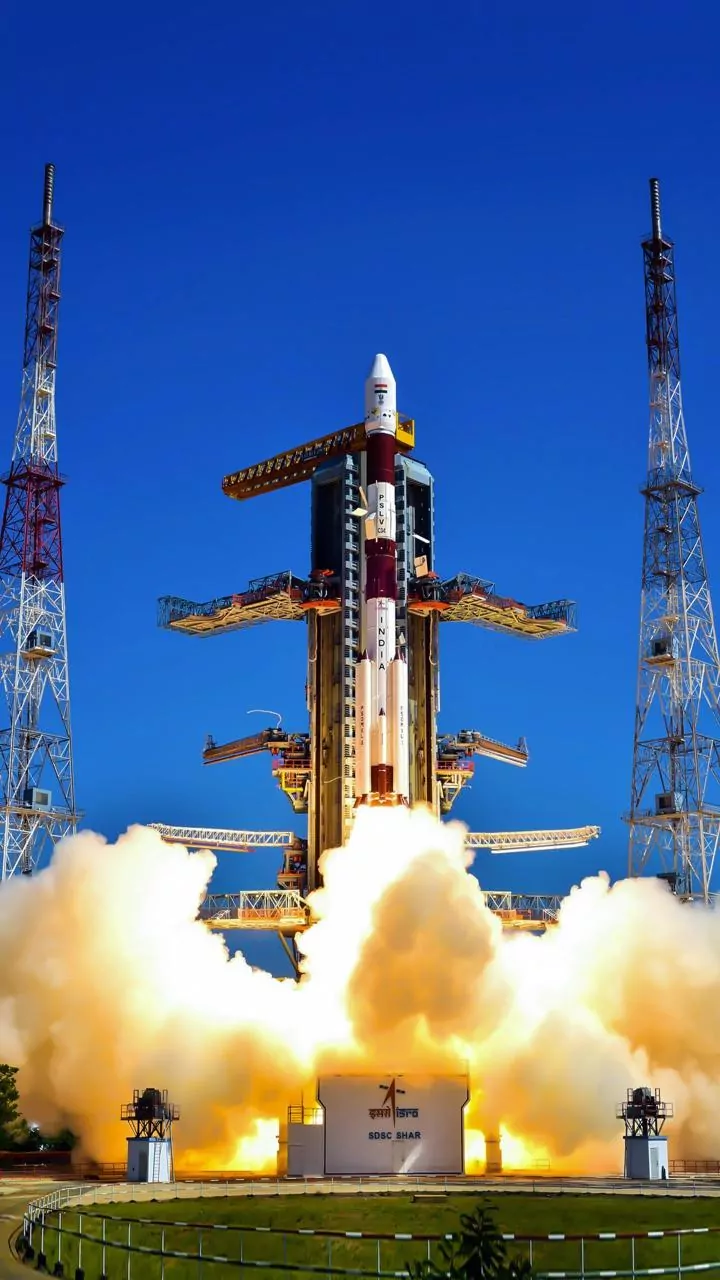
For India, a rising space power, the threat is particularly relevant. India operates a large fleet of satellites for communication, remote sensing, navigation (NavIC), and national security. These assets are critical to the country's economy and defence infrastructure. While India has demonstrated its own ASAT capability with 'Mission Shakti' in 2019, its space systems remain vulnerable to the kind of indiscriminate attack modelled in the study. The slow-burn nature of radiation damage means there would be no direct way to defend satellites once the radiation belt is formed. The incident would underscore the vulnerability of all space-faring nations and the urgent need for international norms to prevent an arms race in orbit.