





The Theory: A Desiccant and a Deterrent
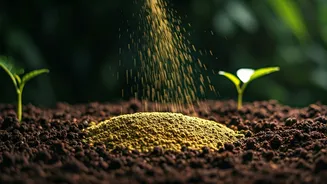
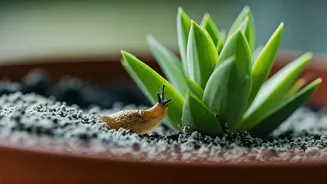
Wood ash is thought to combat slugs in two ways. Firstly, its fine, gritty texture is abrasive to the soft bodies of slugs and snails, creating an uncomfortable barrier for them to cross. [3, 4] Secondly, and more importantly, wood ash is a desiccant,
meaning it absorbs moisture. [21, 23, 27] The salts within the ash can draw out the slime that slugs need to move, effectively dehydrating them and making them avoid the area. [13] It's this drying property that makes it a popular, chemical-free option for gardeners looking to protect their leafy greens from these nocturnal feeders. [21] However, it's worth noting that its effectiveness can vary, with some tests showing it works better on smaller slugs than larger, more determined ones. [1]
How to Apply Wood Ash Correctly
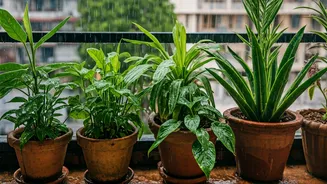
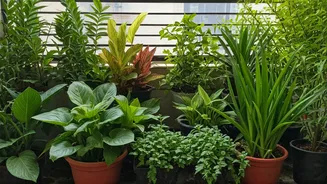
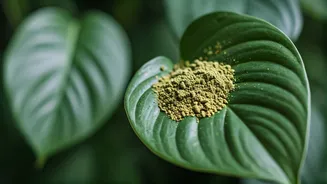
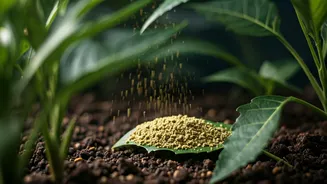
Application is straightforward but requires diligence. Only use ash from clean, untreated, and unpainted wood; never use ash from charcoal briquettes or treated lumber, which can contain chemicals harmful to your soil and plants. [2, 11, 17] Wait for the ash to cool completely. For a balcony garden, sprinkle a continuous ring or barrier of dry wood ash on the soil surface around the base of vulnerable plants or around the rim of the pot itself. [3, 8] This barrier should be as wide and thick as you can reasonably make it to increase its effectiveness. [1] The goal is to create a 'no-go zone' that slugs will not want to traverse to get to the stems and leaves of your plants.
The Major Limitation: Water
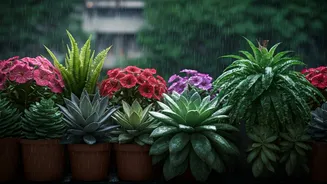
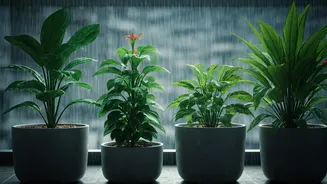
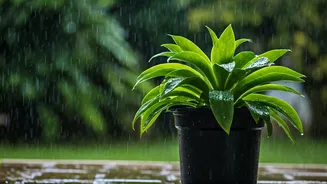
The single biggest drawback to using wood ash is that its protective qualities vanish the moment it gets wet. [1, 11] Once dampened by rain, morning dew, or your own watering can, the ash turns into a paste and loses both its abrasive texture and its desiccating effect. [11] Wet ash is completely ineffective as a slug barrier. This means you must reapply a fresh, dry layer of ash after every watering and each time it rains, which can be a frequent task. [13, 27] Gusts of wind can also blow the fine powder away, creating gaps in your protective barrier that slugs can easily exploit. [1]
A Word of Caution: The pH Problem
Wood ash is highly alkaline and will raise the pH of your soil. [5, 6, 7] While this can be beneficial for some gardens with overly acidic soil, it can be problematic in the contained environment of a pot. [8] Many plants, especially vegetables, prefer a neutral to slightly acidic soil. [8] If you use too much ash, you risk making the soil too alkaline, which can interfere with the plant's ability to absorb essential nutrients, leading to poor growth or yellowing leaves. [14] For this reason, it is crucial to use ash sparingly. Never mix large quantities into your potting soil. Avoid using it altogether around acid-loving plants like blueberries, azaleas, or rhododendrons. [8, 13, 18]
Smart Alternatives for Your Balcony
Given the limitations of wood ash, it’s best used as one part of a broader strategy. For balcony gardens, copper tape is an excellent alternative. [15] Slugs get a small, unpleasant static-like shock when they try to cross it, and you can stick it directly onto your pots to create a long-lasting barrier. [16] Diatomaceous earth, which is made from fossilized aquatic organisms, works similarly to ash as an abrasive barrier but also needs to be kept dry. [2] Beer traps are another popular method; burying a small cup filled with beer so its rim is at soil level will attract and drown slugs. [2, 15] Finally, never underestimate the effectiveness of a nightly patrol with a torch to hand-pick the pests off your plants.