






An Ancient Grain for Modern Kitchens
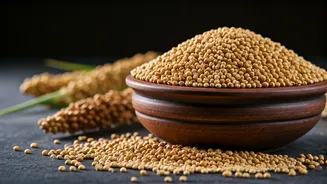
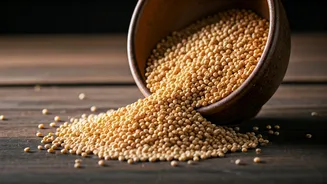
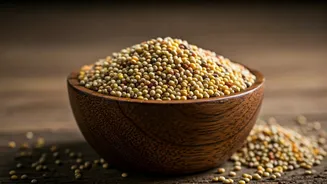
Sorghum, locally known as jowar, is a versatile and hardy cereal grain that has been a staple in parts of Africa and Asia for centuries. While it may be an ancient crop, its benefits are perfectly suited for the modern, health-conscious kitchen. This
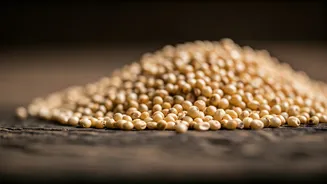
gluten-free grain comes in various forms, including whole grain, pearled grain, and flour, making it an easy substitute in many recipes. Its mild, slightly nutty flavour allows it to blend seamlessly into both sweet and savoury dishes, from traditional rotis to contemporary baked goods. As more people seek nutritious, gluten-free alternatives to wheat, jowar is experiencing a well-deserved resurgence in popularity.
The Nutritional Powerhouse
The true appeal of sorghum lies in its dense nutritional content. It is an excellent source of plant-based protein, with some analyses showing it provides about 10-11 grams per 100-gram serving. Jowar is also rich in dietary fibre, which is crucial for digestive health, helping to promote regular bowel movements and a feeling of fullness that can aid in weight management. Furthermore, it boasts a low glycaemic index, meaning it digests slowly and helps to manage blood sugar levels, making it a particularly good choice for individuals with diabetes. Beyond the macronutrients, sorghum is packed with essential minerals like iron, magnesium, phosphorus, and potassium, as well as B vitamins.
Perfecting Sorghum Pancakes
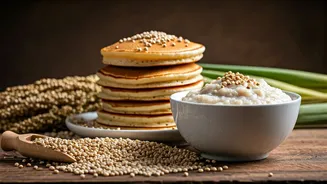
Upgrading your pancake stack with sorghum flour is a simple yet effective way to boost its nutritional value. Because it is gluten-free, sorghum flour behaves differently than wheat flour; pancakes made with it can be more prone to breaking. To achieve a light and fluffy texture, it is often beneficial to combine sorghum flour with another gluten-free flour, like sweet rice flour, or use a binder like eggs or xanthan gum. Many recipes suggest letting the batter rest for at least an hour, or even overnight in the fridge, to allow the flour to fully hydrate. This small step can make a big difference, resulting in a tender pancake that is not only delicious but also packed with more protein and fibre than its traditional counterpart.
A Heartier, Healthier Porridge
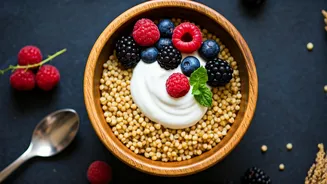
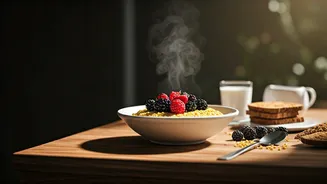
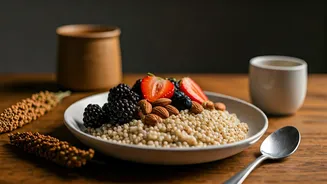
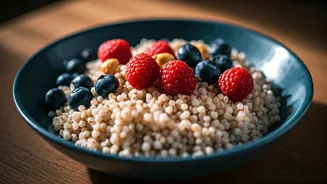
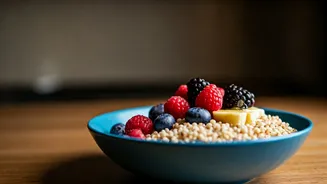
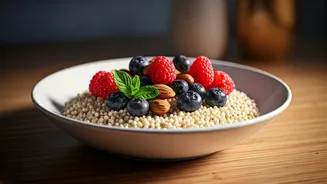
Move over, oats—sorghum porridge is an equally comforting and even more nutritious way to start your morning. Whole grain sorghum can be cooked into a creamy, hearty porridge that will keep you feeling full and energised for hours. Compared to rice or even oatmeal, sorghum often contains a higher concentration of fibre and protein. To prepare it, you can cook the whole grains on the stovetop similar to how you would cook rice, though soaking them overnight can reduce cooking time and improve digestibility. The cooked grain has a pleasantly chewy texture and a mild flavour that pairs well with fruits, nuts, and spices. Studies have shown that consuming sorghum porridge can lead to a lower blood sugar spike compared to other grains, making it an excellent breakfast for steady, sustained energy.
Rich in Protective Antioxidants
One of the standout benefits of sorghum is its high concentration of antioxidants, particularly in pigmented varieties like red and black sorghum. These phenolic compounds, which include tannins and flavonoids, help protect the body against cellular damage caused by free radicals. Research suggests that the antioxidant activity in sorghum is significantly higher than in many other common grains and can even rival that of fruits like blueberries. Regular consumption of antioxidant-rich foods is linked to a lower risk of chronic conditions such as heart disease, type 2 diabetes, and certain cancers, adding another compelling reason to incorporate this powerful grain into your diet.