



The Lure of Crystal Waters
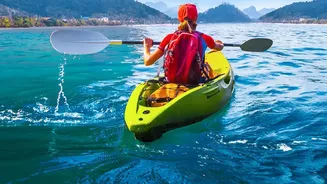
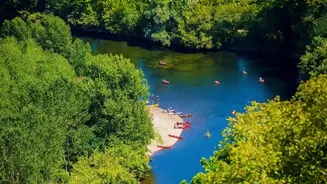
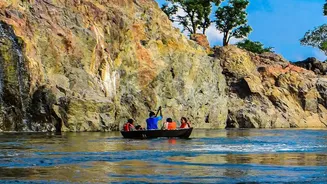
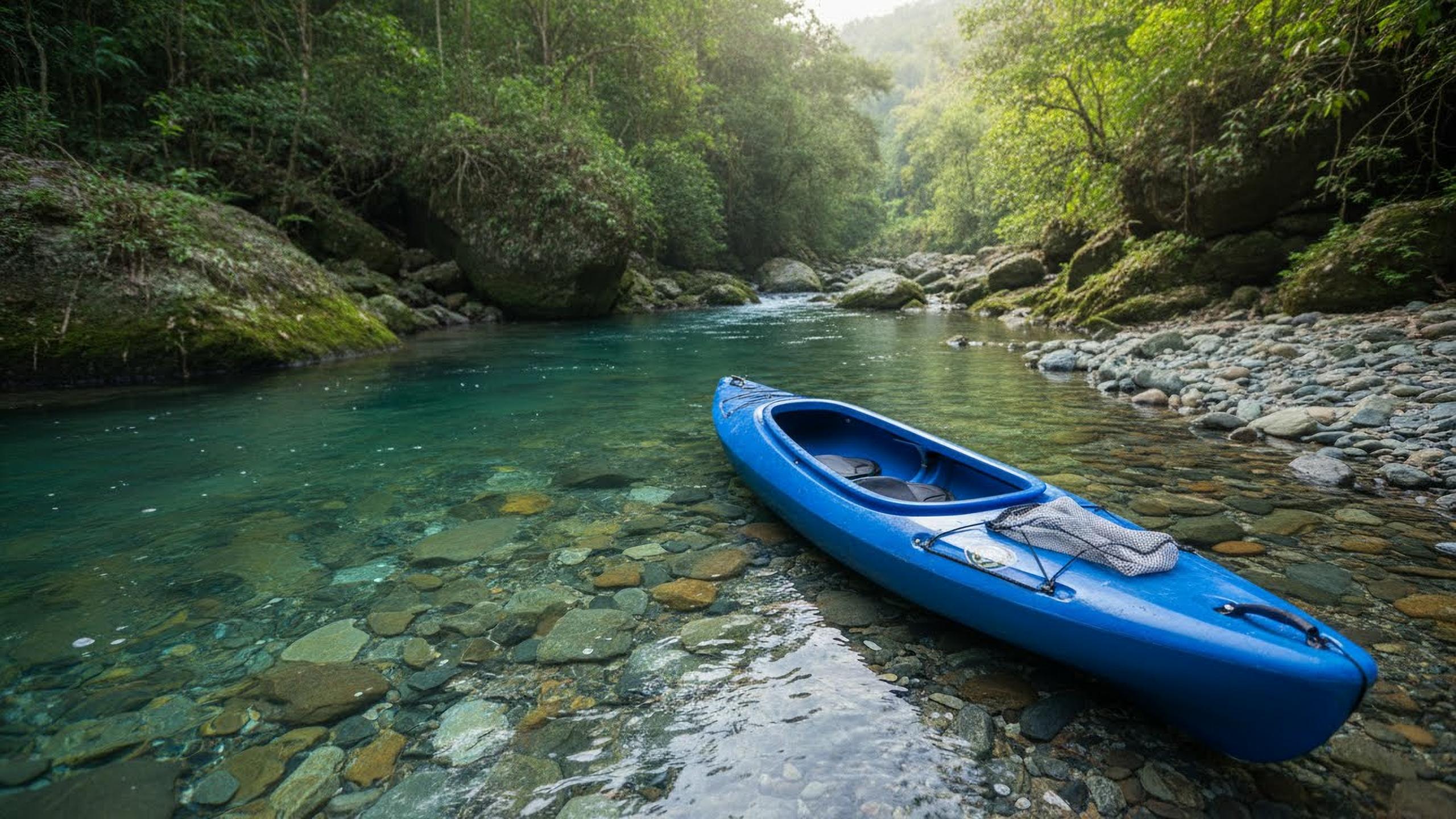
Picture gliding in a kayak over water so clear it feels like you are floating in mid-air. This is the magic of the Umngot River in Dawki, a place that has become synonymous with Meghalaya's natural splendour. For years, images of boats casting perfect
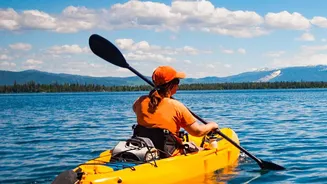
shadows on the riverbed have drawn travellers from across the globe. This and other rivers, like the Kynshi and Umtrew, wind through lush green hills and deep gorges, offering a serene yet thrilling escape. Kayaking here is more than a sport; it's an intimate conversation with nature, a chance to paddle through some of India's most pristine and breathtaking landscapes. This immersive experience has made Meghalaya a bucket-list destination for adventure seekers and nature lovers alike.
A Paradise Under Threat
Beneath the surface of this beauty lies a growing environmental crisis. The very clarity of rivers like the Umngot is fragile. In recent years, locals and environmentalists have raised alarms as construction, particularly along the Shillong-Dawki road, has led to soil and debris being dumped into tributaries. This has turned the once-transparent waters murky, threatening not just the ecosystem but also the livelihoods of hundreds of families who depend on tourism. Beyond sediment pollution, other rivers in the state have historically faced challenges from industrial runoff and resource extraction, which can severely impact aquatic life and water quality. It’s a stark reminder that without active protection, these natural wonders could be lost.
Paddles with a Purpose
In response to these threats, a powerful new movement is taking shape. Local tour operators and community groups are reimagining adventure tourism. Kayaking is no longer just about the thrill; it's about education and action. These eco-conscious excursions integrate environmental awareness into the adventure itself. Guides, often from local communities with a deep, generational connection to the land, share stories about the rivers, their cultural significance, and the challenges they face. The state government is also backing sustainable tourism through schemes that support local entrepreneurs and mandate environmental safeguards, positioning Meghalaya as a premier eco-adventure destination. This approach turns a simple holiday into a meaningful contribution.
From Tourist to River Guardian
So what does this look like in practice? On these curated trips, kayakers become active participants in conservation. This can range from participating in small, organised clean-up drives along the riverbanks to learning to document pollution hotspots. Some operators build conservation fees into their pricing, with funds going directly to community-led projects. The core idea is to transform the visitor’s mindset from passive consumer to active steward. By witnessing the challenges firsthand after learning about the river's importance, travellers leave with a deeper connection and a sense of responsibility. They return home not just with photos, but with a powerful story about why these ecosystems matter and what is being done to protect them.
The Power of Community-Led Conservation
Ultimately, the success of this model hinges on local communities. In Meghalaya, where indigenous Khasi, Jaintia, and Garo tribes have protected sacred groves for centuries, the principle of community stewardship is deeply ingrained. Eco-tourism initiatives provide a vital economic incentive for these communities to continue their conservation efforts. When local families can earn a sustainable livelihood from guiding, running homestays, or other tourism-related services, the river transforms from just a resource into a cherished asset worth protecting. This community-led approach ensures that conservation is not an external mandate but a locally-driven movement, blending traditional knowledge with modern sustainable practices.