




Humidity: The Invisible Kitchen Enemy
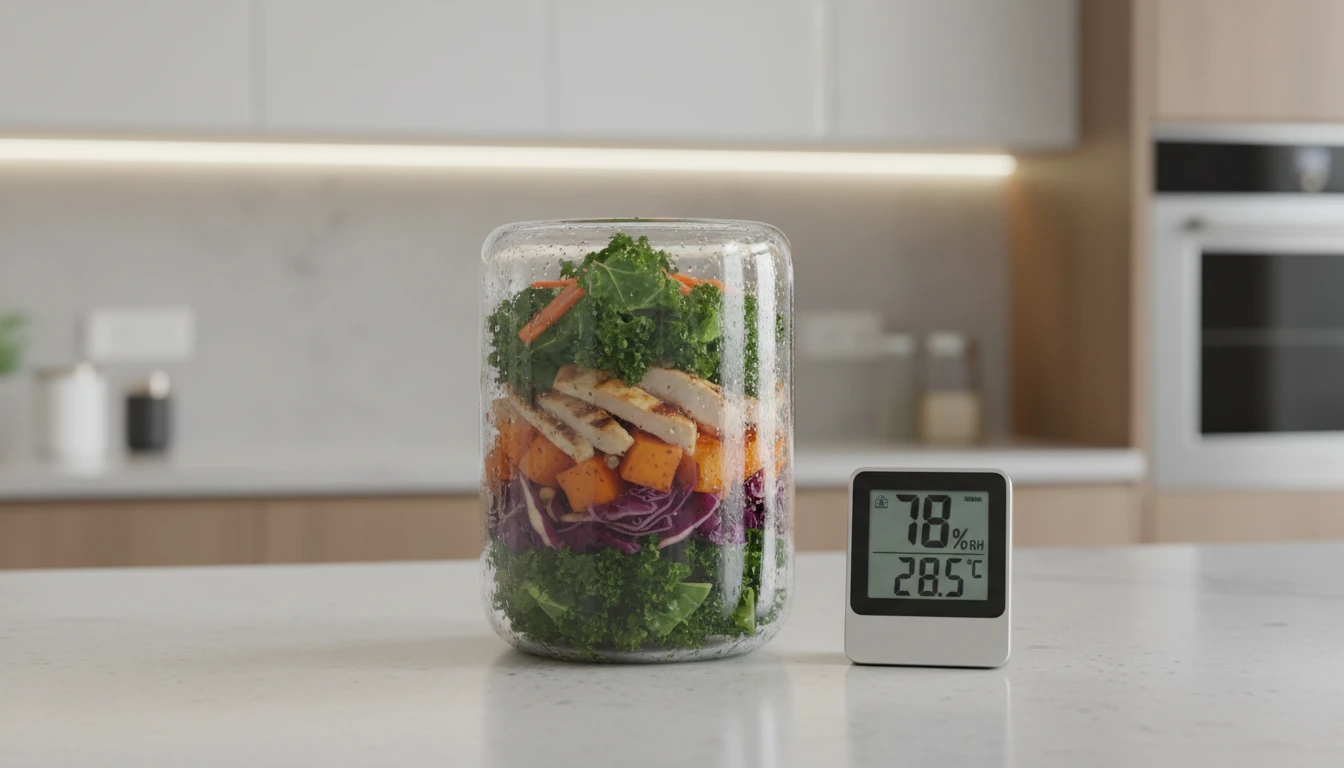
Humidity is the amount of water vapour in the air, and in many parts of India, it can be persistently high. This moisture is a lifeline for the microscopic organisms that cause food to spoil: bacteria, yeasts, and moulds. These microbes thrive in damp,
warm conditions, which are common in kitchens. High humidity means that moisture is readily available on surfaces, in the air, and on the food itself, creating a perfect breeding ground. This accelerates several processes: microbial growth skyrockets, enzymatic reactions that cause fruits and vegetables to over-ripen speed up, and chemical reactions like oxidation (which makes fats go rancid) happen faster. Even dry foods like biscuits and chips lose their crispness as they absorb moisture from the air.
The Problem with Large Batches
Cooking a large pot of dal or curry to last for days seems efficient, but in a humid environment, it can be a recipe for disaster. The main issue is the cooling time. A large volume of food takes much longer to cool down, spending more time in the food safety “danger zone”—the temperature range between 5°C and 60°C where bacteria multiply exponentially. According to food safety authorities, harmful bacteria can double in as little as 20 minutes within this range. In hot weather, above 35°C, perishable food can become unsafe in just one hour if left at room temperature. A big batch of food not only cools slower but also traps more steam and condensation, which further feeds microbial growth. Storing a large, warm batch directly in the fridge can also be problematic, as it raises the internal temperature of the refrigerator, potentially putting other stored foods at risk.
The Small-Batch Strategy
This is where the wisdom of experienced home cooks comes in. By reducing batch sizes and cooking more frequently, you fundamentally change the food safety equation. Smaller portions cool down much faster, significantly reducing the time they spend in the temperature danger zone. This rapid cooling inhibits the growth of bacteria that cause spoilage and foodborne illnesses. Cooking just enough for one or two meals means food is consumed when it's at its freshest, with minimal leftovers to store. This approach not only enhances food quality and safety but also drastically cuts down on food waste. It’s a shift from cooking for the week to cooking for the day, a practical adjustment to the climatic challenges of a humid kitchen.
Smarter Storage in Humid Weather
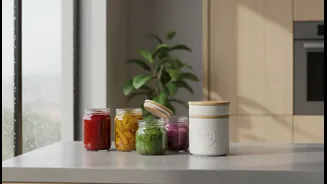
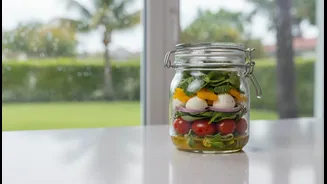
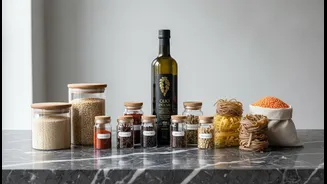
Beyond just cooking smaller batches, a few smart storage habits can make a huge difference. Always use airtight containers to create a barrier against ambient humidity and prevent food from absorbing moisture. When you do have leftovers, cool them as quickly as possible before refrigerating. You can speed up the process by dividing the food into smaller, shallow containers to increase the surface area. Once cooled, get them into the fridge promptly—never leave perishable food out for more than two hours (or one hour in very hot weather). It’s also wise to keep your pantry and storage areas as dry as possible. Ensure good ventilation to prevent damp air from stagnating, and consider using dehumidifiers or moisture absorbers in cupboards where you store dry goods like flour, spices, and grains, which are prone to clumping and mould in humid conditions.