



The Science of Staying Dry
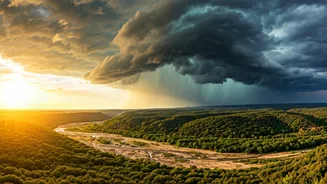
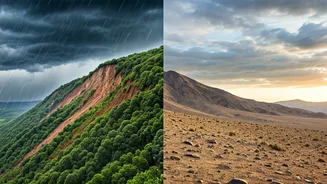
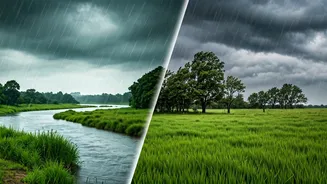
So, what exactly is a rain shadow? It's a fascinating geographical phenomenon. When moisture-rich winds from the sea hit a mountain range, they are forced to rise. As the air ascends, it cools, and its moisture condenses into rain, which falls on the side
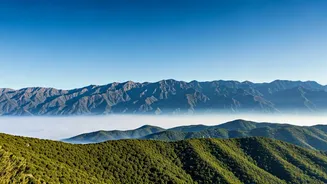
of the mountain facing the wind (the windward side). By the time the air passes over the mountain to the other side (the leeward side), it has lost most of its moisture. This dry air descends and warms up, creating a pocket of arid or semi-arid climate. These 'shadows' cast by mountains offer incredible, and often overlooked, travel opportunities, especially during the peak monsoon months of June and July.
The High-Altitude Desert: Ladakh
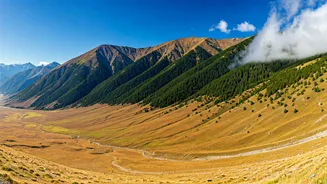
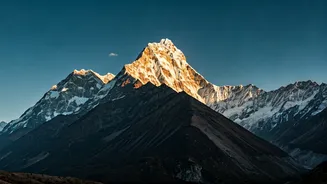
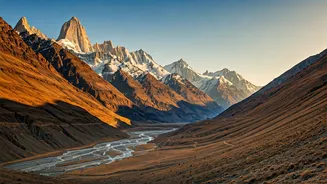
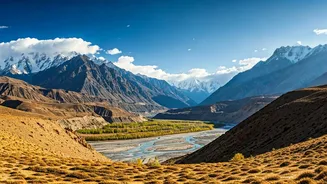
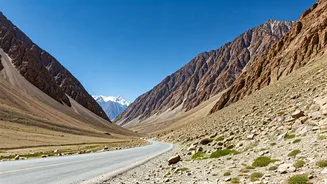
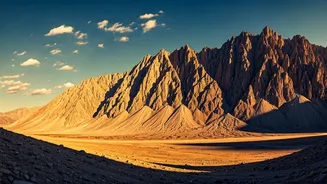
Ladakh is the classic example of a rain-shadow region in India. Tucked away behind the mighty Himalayas, it remains a cold desert, blissfully dry and sunny while the rest of the country navigates the monsoon. July is, in fact, one of the best months to visit, as the weather is pleasant and all the high-altitude passes are open. You can explore ancient monasteries perched on dramatic cliffs like Thiksey and Diskit, ride a double-humped camel in the surreal Nubra Valley, or simply stand in awe of the colour-changing Pangong Lake. The landscape is stark and otherworldly, a panorama of barren mountains, deep blue skies, and winding rivers that feels a world away from the tropical humidity elsewhere.
The Middle Land: Spiti Valley
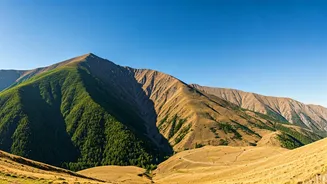
Much like Ladakh, Spiti Valley in Himachal Pradesh is a cold desert shielded by the Himalayas. While the approach roads, especially from Manali, can be susceptible to monsoon-related landslides, the valley itself is largely dry and at its greenest in July. This is the time when its landscapes, a mix of barren mountains and lush green patches, are most vibrant. Spiti offers a more remote and raw experience than its more famous neighbour. You can visit some of the oldest monasteries in the Buddhist world, like Tabo and Key, explore high-altitude villages such as Komic and Langza, and witness a culture that has been preserved for centuries. The journey is an adventure, but the reward is a tranquil escape into what locals call 'The Middle Land'.
The Southern Sanctuary: Eastern Western Ghats
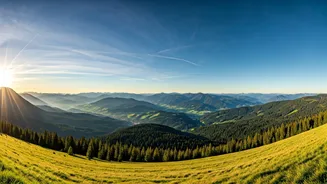
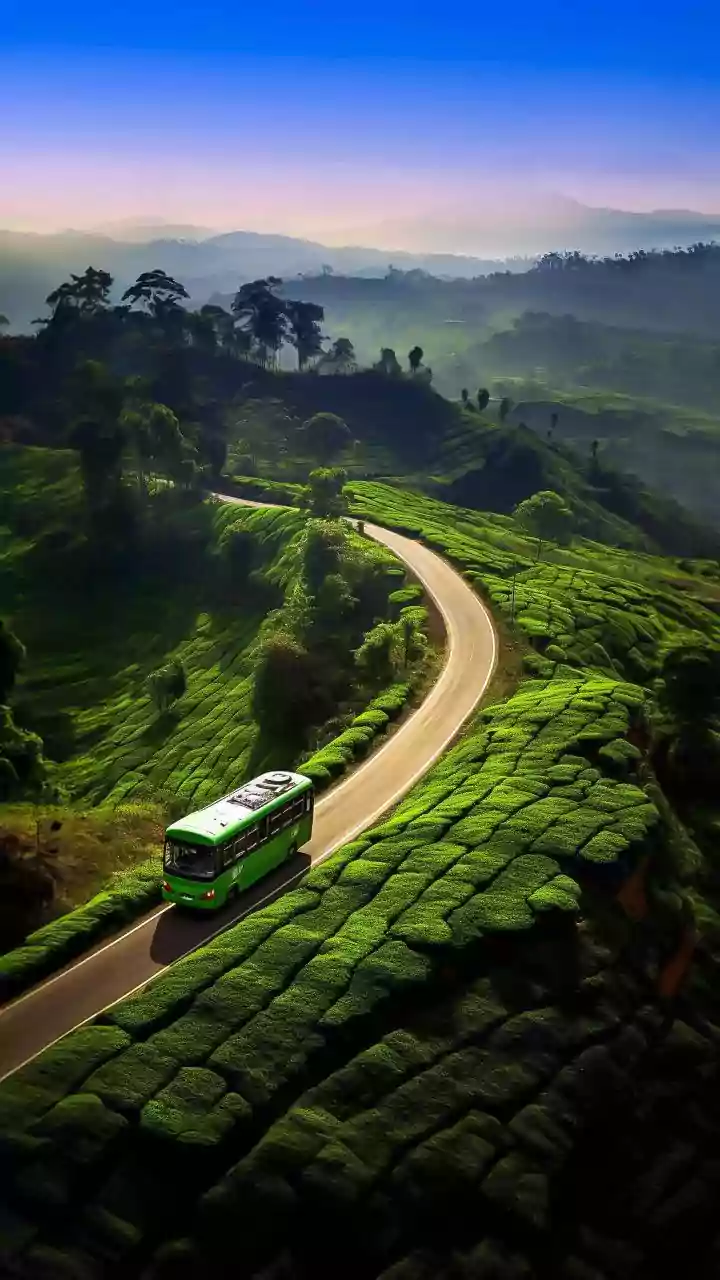
You don’t have to go to the Himalayas to find a rain shadow. The eastern slopes of the Western Ghats offer a southern alternative. As the southwest monsoon winds from the Arabian Sea dump heavy rain on the western side (think Kerala and coastal Karnataka), the leeward side in states like Tamil Nadu remains significantly drier. Areas around Coimbatore and Pollachi, for example, receive far less rainfall in July compared to their western counterparts. This region provides a different kind of beauty. Instead of high-altitude deserts, you’ll find rolling hills, unique scrub forests, and pleasant weather. It’s an ideal choice for those seeking a less extreme and more accessible monsoon escape, offering a chance to explore ancient temples, wildlife sanctuaries, and the gentle landscapes of the Deccan Plateau.