





1. The Ever-Cheerful Marigold (Genda)
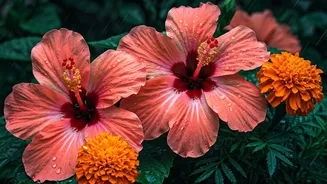
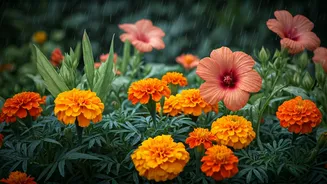
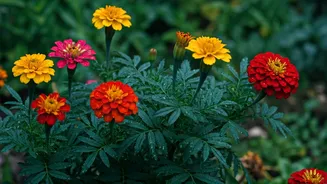
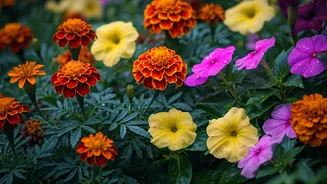
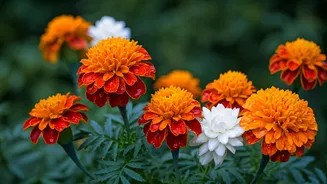
There is perhaps no flower more intertwined with Indian life than the marigold. Its sunny yellows and fiery oranges are a staple in festivals, prayers, and decorations. The good news is that these hardy flowers adore the monsoon season. The increased
humidity and regular watering help them produce an abundance of blooms. Marigolds are relatively low-maintenance and are also known to be natural pest repellents, making them a fantastic companion plant in any garden bed or pot. To ensure they flourish, plant them in well-draining soil. While they love the water, they don't appreciate 'wet feet,' which can lead to root rot. A little deadheading (plucking off spent blooms) will encourage the plant to produce even more flowers, keeping your balcony or garden bright and cheerful even on the greyest of rainy days.
2. The Delicate Balsam (Impatient Balsamina)
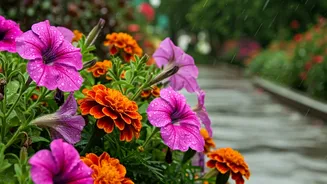
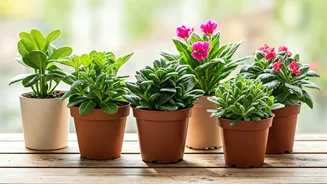
Often called the 'monsoon flower,' Balsam is a true rain lover. These charming, delicate flowers pop up in shades of pink, purple, red, and white, often resembling miniature roses. They grow quickly and bloom profusely throughout the rainy season, adding a touch of classic cottage-garden charm to any space. Known colloquially as 'touch-me-nots' because their ripe seed pods burst open when touched, they are a delight for children and adults alike. Balsam thrives in the semi-shaded spots of a garden that receive plenty of moisture. They are perfect for container gardening on a balcony or a patio. Just make sure the pots have drainage holes, and watch as these little beauties transform your space into a vibrant floral carpet.
3. The Dramatic Hibiscus
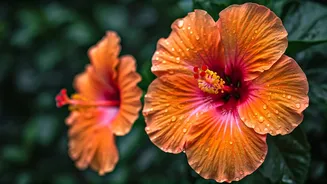
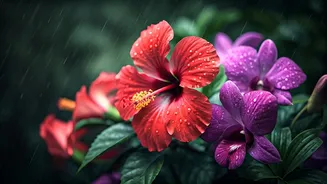
If you want a true showstopper, look no further than the hibiscus. Its large, flamboyant blooms in shades of red, pink, yellow, and white are impossible to ignore. While hibiscus flowers year-round in tropical climates, the monsoon season often triggers a spectacular flush of growth and blooming. The rain washes the leaves clean, making the plant look lush and healthy, which provides the perfect green backdrop for its magnificent flowers. The key to a happy hibiscus during the monsoon is excellent drainage. If your plant is in a pot, ensure it doesn't get waterlogged. A bit of pruning before the rains begin can also encourage bushier growth and more flowers. Each bloom may only last a day, but a healthy plant will produce a new spectacle for you to enjoy every single morning.
4. The Fragrant Jasmine (Mogra/Chameli)
The Indian monsoon experience is incomplete without its signature scents: the smell of wet earth (petrichor) and the intoxicating fragrance of jasmine. Varieties like Mogra (Arabian Jasmine) and Chameli (Common Jasmine) go into overdrive during the rainy season. The cooler temperatures and high humidity encourage these climbers and shrubs to produce an abundance of their pearly white, powerfully scented flowers. The fragrance is especially strong in the evenings, turning your garden or balcony into a perfumed sanctuary. Plant jasmine near a window, doorway, or seating area to fully enjoy its heavenly scent. These plants prefer well-draining soil and a bit of support to climb on. Regular watering from the rain is usually sufficient, making them an easy-care choice for a sensory monsoon garden.
5. The Iconic Plumeria (Champa)
The sweet, evocative scent of the Plumeria, or Champa flower, is the smell of nostalgia for many. These beautiful, waxy flowers, often seen in temple offerings, thrive beautifully during the monsoon. The rain encourages the tree to produce fresh leaves and clusters of its iconic pinwheel-shaped flowers in shades of white, yellow, pink, and red. Plumeria trees are remarkably resilient and don't require much care. They love the sun but handle the daily downpours of the monsoon with grace, as long as they are planted in soil that drains well. If you have the space for a small tree, a Plumeria will reward you with months of beautiful, fragrant blooms that can be floated in a bowl of water to bring their beauty and scent indoors.
6. The Rainbow of Zinnias
For an explosion of easy, reliable colour, Zinnias are a top contender. These cheerful, daisy-like flowers come in almost every colour imaginable, from brilliant reds and pinks to vibrant oranges and yellows. They are incredibly easy to grow from seed, making them a fun and rewarding project. Zinnias are sun-lovers, but they also perform exceptionally well during the monsoon, continuing to produce a riot of colour. They attract butterflies, adding another layer of life and movement to your garden. To prevent issues like powdery mildew, which can occur in high humidity, ensure there is good air circulation around the plants and try to water them at the base rather than on the leaves when the rain takes a break.