




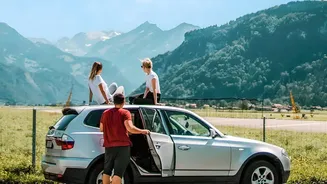
Tired of waiting all year for that one big trip? You're not alone. A major shift is underway as Indian travellers ditch the single annual vacation for more frequent, shorter getaways. This new travel rhythm is reshaping how we explore and unwind.
The Dawn of the 'Micro-Cation'
The classic
two-week annual holiday, once a cornerstone of professional life, is making way for a more agile and frequent travel style. Say hello to the 'micro-cation'—a short, intentional trip of two to five days, typically planned around a weekend. This trend isn't just about taking a break; it's a fundamental change in how Indians, especially younger generations, approach leisure and work-life balance. Instead of putting all their travel dreams into one big, expensive basket, people are spreading them across the year. The logic is simple: why have one big adventure when you can have multiple smaller ones? This allows for consistent refreshment and exploration without the stress of long leave approvals or extensive planning.
What's Fuelling This Travel Revolution?
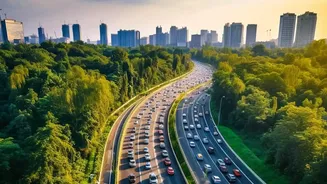
Several factors are converging to make weekend trips the new norm. The most significant is the rise of flexible work culture. Hybrid and remote work models give professionals the autonomy to blend work and travel, sometimes starting their getaway on a Friday afternoon without officially being on leave. Another major driver is the desire to combat burnout. In today's high-pressure environment, waiting an entire year for a break feels unsustainable. Short, regular escapes serve as a crucial mental reset button. Budgeting also plays a key role. A single, long international trip can be a huge financial commitment. Spreading the cost over several domestic micro-cations feels more manageable and affordable. Finally, improved infrastructure, including better highways and more flight options to regional airports, has made a wider range of destinations accessible for a quick trip.
The New Weekend Wanderer's Playbook
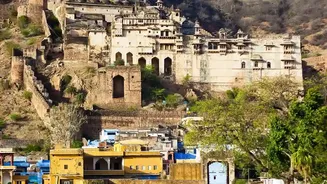
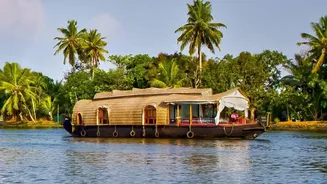
This shift has redefined what travellers look for in a destination. Proximity is king. Drivable locations or places with short, direct flights from major cities are seeing a surge in popularity. Hill stations like Munnar and Ooty, coastal towns like Goa and Puri, and heritage cities like Jaipur and Udaipur are top choices for these quick escapes. The focus is less on ticking off a long list of sights and more on immersive experiences. Travellers are prioritising slow travel, seeking out local culture, food, and nature over a packed itinerary. Accommodation choices are changing too. Homestays, boutique villas, and unique properties are often preferred over large, impersonal hotels because they offer a more authentic and personal experience. This trend has provided a consistent economic boost to smaller towns and local businesses that cater to weekend visitors year-round.
Is the Big Annual Holiday Over?
Not necessarily. The extended vacation isn't dead, but its purpose is evolving. For many, the big annual leave is now reserved for more ambitious travel, such as longhaul international trips that require significant time and planning. Short getaways are satisfying the need for domestic exploration and regular relaxation. In fact, according to an Airbnb report, seven in ten Gen Z travellers in India would rather take three short trips over one long holiday. This demographic, a major force in the travel market, sees travel as an act of selfexpression and prioritises experiences over simply visiting a place. The two travel styles—short and frequent versus long and immersive—are learning to coexist, each serving a different need in the modern Indian traveller's life.