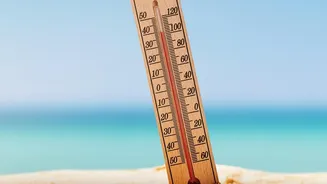

The world’s most critical climate target—limiting global warming to 1.5 degrees Celsius—is now on life support. A wave of recent scientific assessments confirms that global climate action has stalled, making a breach of this vital guardrail all but certain.
The 1.5 Degree Lifeline
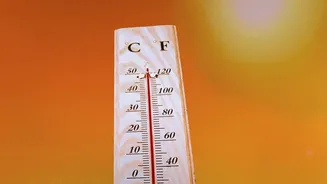
The 1.5°C target, enshrined in the 2015 Paris Agreement, is not an arbitrary number. It represents a critical threshold for our planet. Scientists have long warned that warming beyond this point will exponentially increase the frequency and intensity of catastrophic climate impacts. The difference between 1.5°C and 2°C of warming is the difference between survivable change and a future marked by widespread food and water shortages, irreversible ecosystem collapse, and devastating natural disasters. For millions, particularly in vulnerable nations, it is the line between a difficult future and an unlivable one. Recent UN reports paint a grim picture, stating that decades of insufficient action mean the chance to stay below 1.5°C without overshooting it is now gone. The conversation has shifted from prevention to damage control: how high will temperatures go, and can they be brought back down?
The Great Global Stall
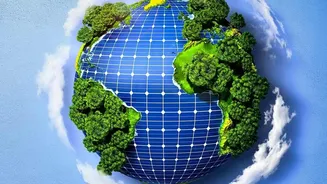
The evidence of stalled progress is undeniable. According to the Climate Action Tracker's November 2026 update, collective climate action has effectively flatlined for five consecutive years. Current government policies, if unchanged, are projected to lead to a devastating 2.7°C of warming by 2100. Even if all countries meet their current 2030 and 2035 pledges, warming would still hit 2.6°C. The UN Environment Programme's (UNEP) 2026 Emissions Gap Report reinforces this, highlighting that current national pledges would only reduce emissions by 5-8% by 2030, a fraction of the 45% cut needed by 2035 to keep the 'lowest possible' overshoot scenario in play. While the deployment of renewables like solar and wind is a bright spot, with clean electricity meeting all new global power demand in 2025, it is not yet enough to force a decisive downturn in overall global emissions, which continue to rise.
A Perfect Storm of Crises
Why the slowdown? A confluence of crises is to blame. Geopolitical tensions and conflicts have diverted political attention and resources, fracturing the international cooperation essential for a global challenge like climate change. Economic instability and energy security fears have led some nations to double down on fossil fuels in the short term, undermining green transition goals. Furthermore, there is a growing disconnect between ambitious long-term net-zero promises and the concrete, near-term policies needed to achieve them. Analysts point to a 'collective action trap', where the long-term nature of climate change clashes with short-term political and economic cycles, resulting in a failure to implement transformative policies across energy, transport, and agriculture.
What the Stall Means for India
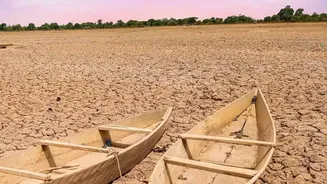
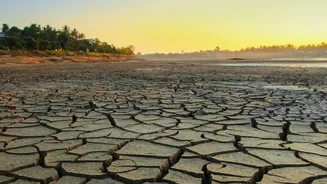
For India, the consequences of a stalled global effort are particularly severe. The nation is already experiencing an increase in extreme weather events. A failure to curb global warming will intensify the deadly heatwaves that bake its northern and central plains, threatening human health and agricultural productivity. Unpredictable and extreme monsoons will become more common, increasing the risk of catastrophic floods in some areas while causing severe droughts in others. India’s vast coastline and major cities like Mumbai and Kolkata are acutely vulnerable to sea-level rise. Meanwhile, melting Himalayan glaciers threaten the water security of millions who depend on the great rivers fed by them. While India has made significant strides in expanding renewable energy, its own climate targets are rated 'Highly Insufficient' by the Climate Action Tracker, which notes that current policies still allow for rising emissions.