


A Major Nutritional Upgrade
The most significant change when introducing oats is the nutritional boost. Oats are celebrated for their high content of a specific soluble fibre called beta-glucan. This fibre is a powerhouse, known for its role in helping to reduce 'bad' LDL cholesterol
levels. Unlike the traditional dosa batter, which is primarily made from polished white rice and lentils, an oats-based version brings more fibre and protein to your plate. This high-fibre content not only supports heart health but also promotes a feeling of fullness, or satiety, which can aid in weight management.
Better for Blood Sugar
Another key benefit lies in how your body processes the energy from the meal. White rice has a high glycemic index (GI), meaning it can cause a rapid spike in blood sugar after consumption. Oats, particularly rolled or steel-cut varieties, generally have a low-to-medium GI. This means they release sugar into the bloodstream more slowly, leading to more stable energy levels. The fibre in oats helps moderate the rate of digestion and glucose absorption, making oats dosa a potentially better option for those managing blood sugar.
The Element of Convenience
Traditional dosa making is a labour of love, involving hours of soaking rice and lentils, grinding them into a fine batter, and then allowing it to ferment overnight or for at least 8-10 hours. Many popular oats dosa recipes, however, are instant. These versions often call for simply mixing oat flour (which can be made by grinding rolled oats) with ingredients like semolina (rava) or curd, letting it rest for as little as 10-30 minutes, and then cooking. This convenience makes it a practical choice for a quick, healthy breakfast or a weeknight dinner without the need for extensive planning.
A Different Texture and Taste
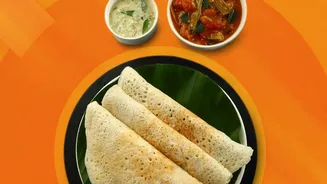
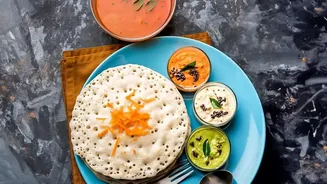
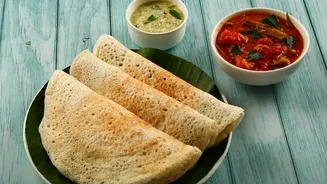
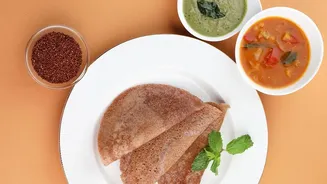
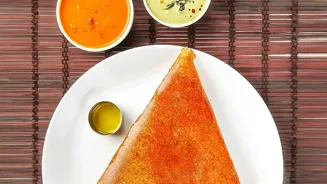
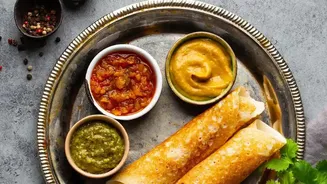
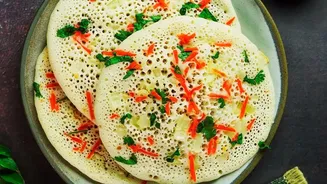
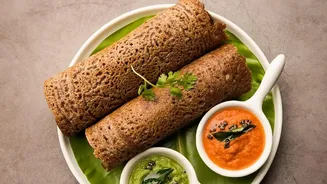
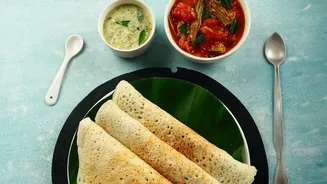
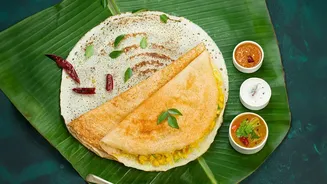
Swapping rice for oats naturally changes the end product's sensory experience. While a traditional dosa is prized for its signature crisp edges and soft centre, an oats dosa offers a different appeal. The texture can vary based on the recipe; some instant versions made with rava are described as lacy and crisp, similar to a rava dosa, while others made with soaked oats can be softer, more like a pancake or uttapam. Oats also impart a subtle, slightly nutty and earthy flavour that distinguishes them from the neutral, fermented taste of a classic dosa. This unique character pairs well with bold accompaniments like spicy chutneys and sambar.
Versatility in Preparation
There isn't just one way to make an oats dosa. Some recipes follow the traditional route, soaking oats along with urad dal (split black lentils) and fenugreek seeds before grinding and fermenting the batter. This method yields a dosa with the airy, tangy qualities of a classic dosa but with the added benefits of oats. Other 'instant' recipes skip fermentation entirely, using quick-cooking oats, oat flour, and sometimes other flours like chickpea flour (besan) or rice flour for structure. You can use rolled oats, instant oats, or steel-cut oats, though soaking times and textures will vary. This adaptability allows home cooks to choose a method that fits their schedule and taste preferences.