






Embrace a Slow Start
The single biggest mistake cat owners make is rushing introductions. A "let them sort it out" approach is a recipe for disaster, leading to fear, aggression, and potentially long-term conflict that is hard to undo. Cats are territorial, and a new arrival
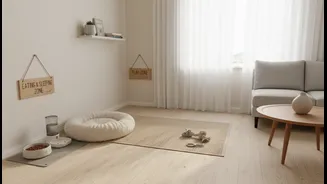
is seen as an intruder threatening their resources and safety. This is especially true in compact layouts where personal space is at a premium. Before they ever see each other, the new cat needs a dedicated, separate room—a 'base camp'—equipped with its own food, water, litter box, and toys. This isolation period, which can last for days or even weeks, allows the newcomer to decompress from the stress of a shelter and acclimate to the general sounds and smells of their new home without the immediate threat of a resident cat.
Speak Their Language: Scent
A cat's primary sense for identification and communication is smell. Their world is one of scent profiles, and you can use this to your advantage. The most crucial behavioral technique is scent swapping. Start by gently rubbing each cat with a separate clean sock or cloth, focusing on their cheeks to collect facial pheromones. Then, place the scented item in the other cat's territory for them to investigate on their own terms. This allows them to become familiar with the other's existence in a non-threatening way. You can also swap their bedding or even entire rooms for short periods, letting each cat explore the other's space and scent profile without a direct confrontation. This process turns a scary 'stranger' into a familiar presence before they even lay eyes on each other.
Build Positive Associations
The goal is to make the new cat's presence a predictor of good things for the resident cat, and vice versa. Positive reinforcement is your most powerful tool. Once they are calm with each other's scents, begin feeding them on opposite sides of the closed door to their respective rooms. They can hear and smell each other, but the experience is paired with the pleasure of a meal. Over several days, gradually move their food bowls closer to the door. This creates a powerful association: the other cat's presence equals delicious food. High-value treats and play sessions near the door also work to build this positive connection, replacing fear and territorial anxiety with anticipation and reward.
Carefully Managed Visuals
Only when both cats are consistently calm during scent swapping and meal times should you proceed to a visual introduction. This must be brief, supervised, and controlled. Using two stacked baby gates in a doorway is an excellent way to allow them to see and sniff each other safely without the risk of a fight. Keep the first few sessions very short—just a minute or two—and end on a positive note, ideally with a treat or a favorite toy. Some hissing or growling is normal communication as they establish boundaries, but any signs of escalating aggression mean you should calmly separate them and try again later with more distance. The key is to end the interaction before it gets tense, ensuring the memory of the encounter remains neutral or positive.
Cultivating Harmony in Shared Space
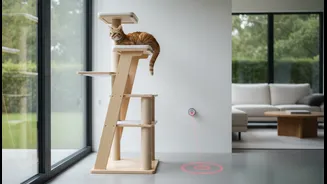
Once short, gated meetings are consistently peaceful, you can allow supervised time together in a neutral part of the home. Keep these initial sessions short and engaging with interactive toys to distract them and foster shared positive experiences. In a compact layout, preventing resource competition is critical for lasting peace. Ensure you have more resources than cats—follow the 'n+1' rule for litter boxes (three boxes for two cats). Provide multiple food and water stations and plenty of vertical space, like cat trees and shelves. This allows them to create their own territories and avoid conflict by not having to compete for essentials. Rushing this final step can undo all your hard work, so continue to provide a safe room for the new cat to retreat to until you are certain they are comfortable coexisting.