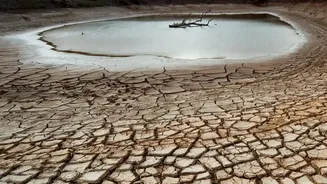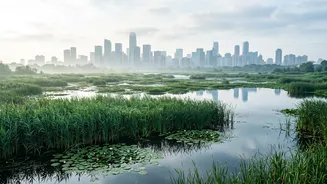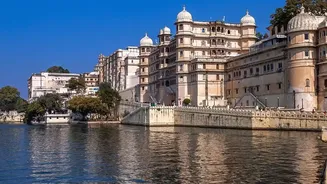


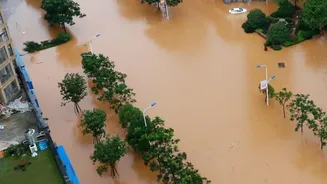

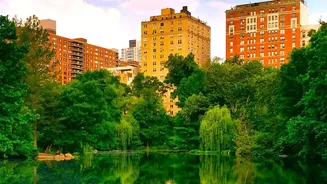
In the concrete landscapes of Indian cities, we face a recurring paradox: devastating floods during monsoons and severe water scarcity in summer. Often overlooked, urban lakes are not just scenic spots but vital, hardworking infrastructure.
Nature's Sponges in a Concrete World
During heavy
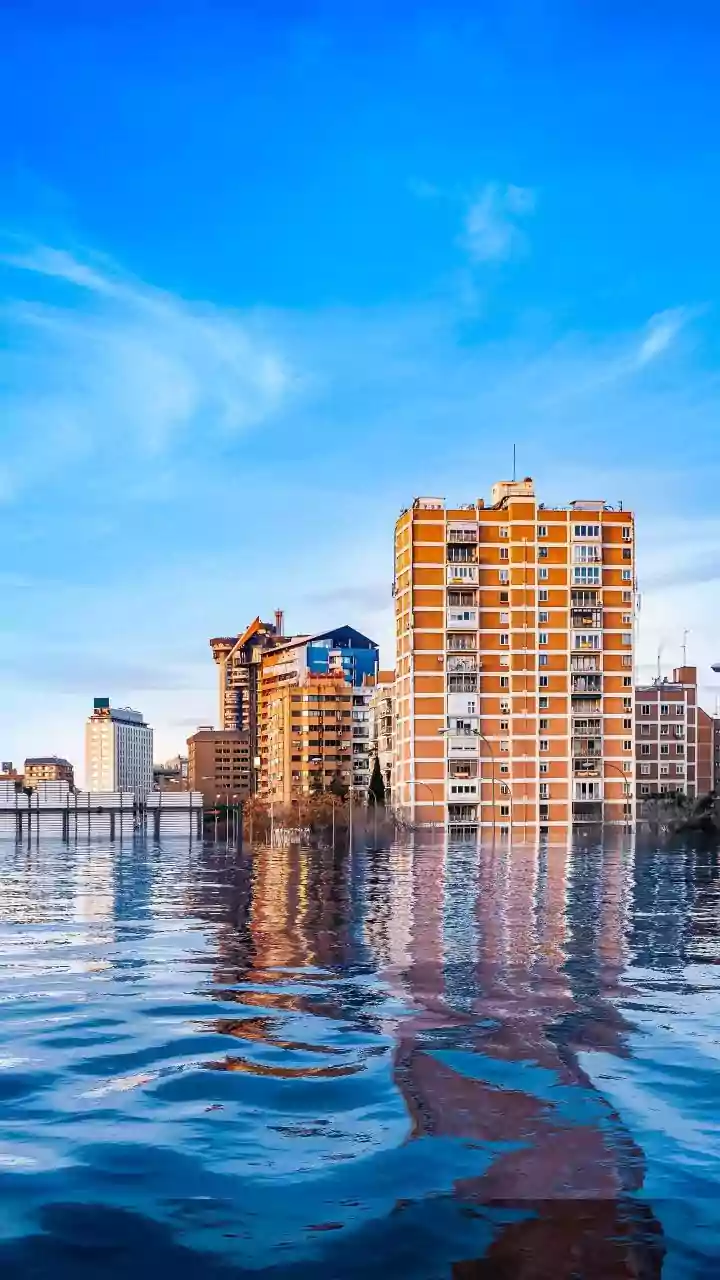
monsoon downpours, our cities often struggle. Drains overflow, roads become rivers, and low-lying areas are inundated. This is where healthy urban lakes function as natural sponges. Instead of allowing precious rainwater to become destructive runoff, lakes capture and store vast quantities of it. This process slows down the flow of water, easing the immense pressure on man-made stormwater drainage systems which are often old, clogged, or simply inadequate for modern rainfall intensity. By acting as retention basins, lakes significantly reduce the peak flow of water, mitigating the severity of floods and protecting urban settlements from widespread waterlogging. Cities that have lost their lakes to encroachment and construction are demonstrably more vulnerable to flooding events.
Banking Water for a Dry Day
The same water that lakes hold back during a flood becomes a critical resource during dry spells. As stored water sits in a lake, it slowly percolates through the soil, replenishing underground aquifers. This natural process of groundwater recharge is essential for maintaining the water table. In cities like Bengaluru and Chennai, where millions depend on borewells for their daily water supply, this function is indispensable. Restored lakes have been shown to raise local groundwater levels, directly combating the water scarcity that plagues so many urban households and industries. Without these natural recharge zones, cities are forced to rely on distant, and often politically contentious, water sources, as seen with Bengaluru's dependence on the Cauvery River. The destruction of lakes doesn't just increase flood risk; it actively contributes to future water crises.
The Slow Death by a Thousand Cuts
Despite their importance, urban lakes across India are under constant threat. According to the first National Water Bodies Census, only 3% of India's water bodies are in urban areas, and these are rapidly disappearing. The primary culprits are encroachment for real estate development, the relentless dumping of solid waste, and the inflow of untreated sewage and industrial effluents. In Bengaluru, for instance, the number of water bodies has shrunk dramatically over the decades, with a 2007 study noting a decline from 51 lakes to just 17 in the preceding years. This degradation has turned many once-thriving ecosystems into polluted, foul-smelling cesspools. The pollutants, including heavy metals and nitrates, not only make the water unusable but also contaminate the groundwater they are meant to recharge.
Blue Revivals: Stories of Hope and Restoration
Fortunately, the tide is beginning to turn in some cities, driven by a combination of citizen activism, government initiatives, and non-profit efforts. In Chennai, the restoration of water bodies like Polachery Lake and Sembakkam Lake involved extensive desilting to increase water storage capacity and strengthening bunds to prevent overflows that previously flooded local communities. In Bengaluru, the revival of Jakkur Lake and Chikkanayakanahalli Lake shows how community involvement is key. These projects focus on removing tons of waste, clearing invasive weeds, and creating proper inlet and outlet channels to regulate water flow. A project in Delhi successfully used a natural 'Scientific Wetland with Active Biodigester' system to rejuvenate a lake without chemicals. These success stories prove that with scientific planning and community ownership, even severely degraded lakes can be brought back to life, restoring ecological balance and civic pride.