


Tired of the same old gym routine? Finding an exercise you actually enjoy is key to staying active. Swimming and dancing offer dynamic, engaging workouts that feel more like play than a chore, but how do they stack up against each other?
The Cardio Question: Heart and Lungs
Both swimming
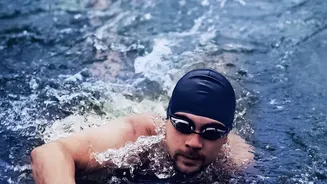
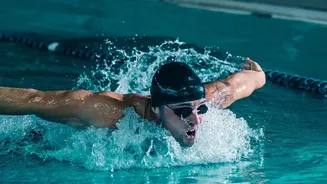
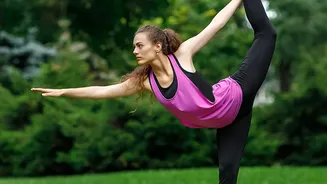
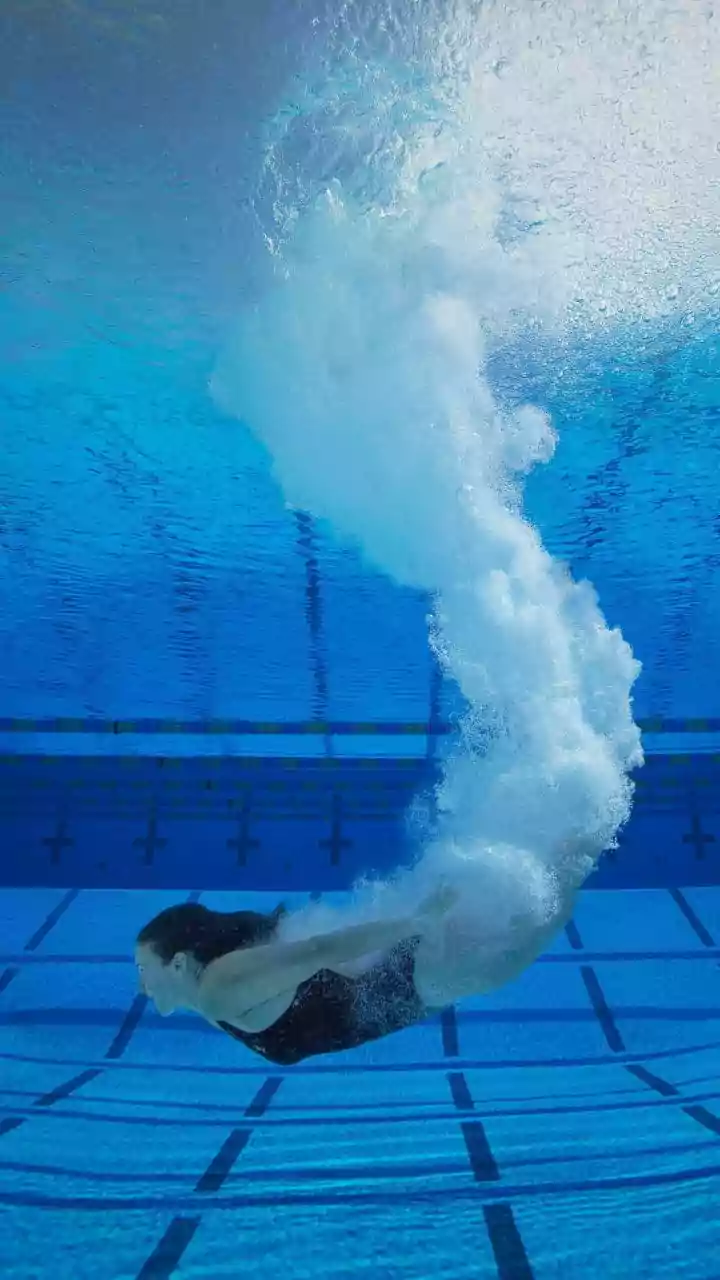
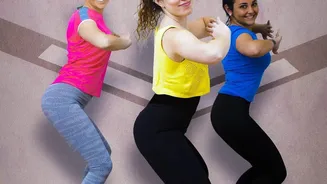
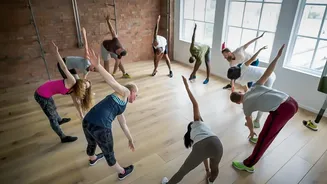
and dancing are fantastic forms of aerobic exercise that get your heart pumping. Dancing, especially high-energy styles like salsa or even some forms of Zumba, involves continuous movement that elevates your heart rate, improves circulation, and can lower blood pressure over time. Some studies have even found that certain dance styles can burn more calories per hour than swimming or cycling. Swimming, on the other hand, is a powerful full-body cardiovascular workout. The resistance of the water forces your heart and lungs to work efficiently to supply oxygen to all your muscles. Studies have shown that regular swimmers have a significantly lower risk of death from heart disease. The rhythmic breathing involved can also improve lung capacity, which is especially beneficial for those with respiratory conditions like asthma.
Building Strength Differently
When it comes to building muscle, the two activities offer different advantages. Swimming is renowned as a total-body workout. As you pull and kick your way through the water, you engage your arms, shoulders, back, core, and legs simultaneously. The water provides constant resistance from all directions, helping to build long, lean muscle and improve muscular endurance without the need for weights. Dancing also builds strength, but often in a more targeted and dynamic way. It improves strength by incorporating movements on all planes of motion. Leaps, turns, and quick changes in direction challenge your lower body and core, while specific styles like ballet are exceptional for building muscular control and stability. Many dance forms are excellent for improving balance and coordination.
A Joint-Friendly Approach
One of the most significant advantages of swimming is that it is a no-impact activity. The buoyancy of the water supports your body weight, taking all the stress off your joints. This makes it an ideal form of exercise for people with arthritis, joint pain, or those recovering from injury. You get a challenging workout without the pounding associated with land-based exercises. Dancing is generally considered low-impact, though this can vary by style. Ballroom dancing, where one foot is almost always on the floor, is very gentle on the body. Many fitness classes offer low-impact modifications to higher-intensity moves. While styles with a lot of jumping can be higher impact, the varied movements generally don't cause the same repetitive stress as running.
The Mental Health Boost
Beyond the physical benefits, both activities work wonders for mental well being. The rhythmic, repetitive nature of swimming laps can have a meditative effect, helping to reduce stress and anxiety. Being in the water allows you to disconnect from screens and daily distractions, promoting a sense of calm. Studies suggest that immersion in water can increase blood flow to the brain, improving mood, concentration, and even memory. Dancing offers a powerful mental release through music and self expression. The act of moving to a beat stimulates the brain s reward centres and releases feel good endorphins. Learning choreography also challenges your brain, improving cognitive functions like memory, planning, and focus. Furthermore, the social aspect of group dance classes can combat feelings of loneliness and foster a sense of community.
Accessibility and Getting Started
Both activities are widely accessible. Dance classes are available for all skill levels and in countless styles, from hip hop to ballroom, many of which require no special equipment other than comfortable clothes. You can even find endless free tutorials online to dance in your own living room. Swimming requires access to a pool, which is readily available in most communities through local fitness centres or public facilities. While it might involve more prep time—packing a bag, showering, and dealing with wet hair—the unique benefits are often worth the effort for those who love the water.