



The Triumph and Peril of Gir
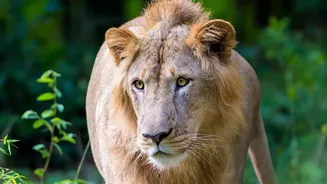
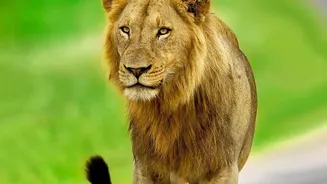
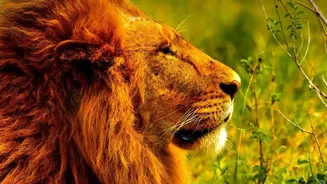
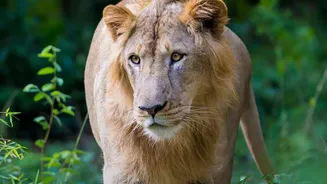
The comeback of the Asiatic lion is one of India’s greatest conservation triumphs. From a population of fewer than 50 individuals in the early 20th century, the numbers have grown to nearly 900 today. For decades, this entire population was concentrated
in and around Gir National Park, a protected sanctuary that became synonymous with the species. While a testament to dedicated protection, this concentration posed a grave threat. A single catastrophic event, like the 2018 canine distemper virus outbreak that killed dozens of lions, could have potentially wiped out the world's only wild population of these majestic cats. The success of Gir paradoxically became its greatest vulnerability, making the search for a second home not just a good idea, but an urgent necessity.
Why Barda Was Chosen
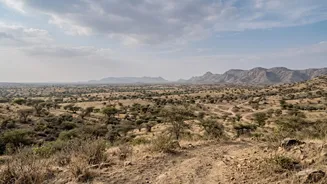
Located about 100 kilometres west of Gir, the Barda Wildlife Sanctuary emerged as the ideal candidate for a second lion habitat. Historically, lions roamed this area, but they disappeared around 1879. Declared a sanctuary in 1979, the 192-square-kilometre landscape of semi-arid hills and dry deciduous forests shares crucial similarities with Gir's terrain. Years of habitat restoration work under 'Project Lion' paved the way for this historic move. The project, officially launched in 2020, designated Barda as 'Satellite Population 8', making it the first fully protected alternative home for lions within Gujarat and a cornerstone of a long-term survival strategy.
A New Beginning for the Lions
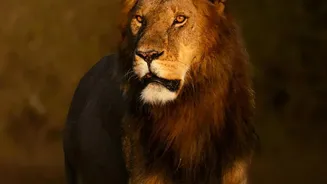
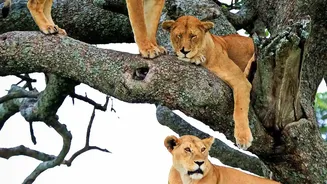
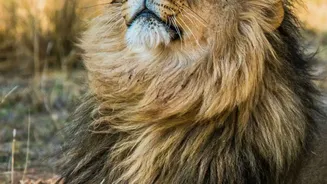
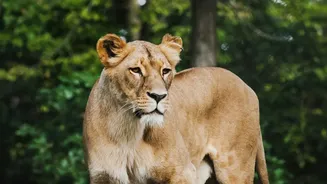
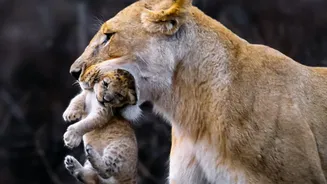
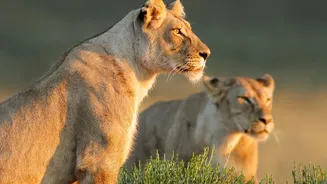
The re-establishment of lions in Barda began with a natural milestone. In January 2023, a lone male lion dispersed from Gir and made its way to Barda on its own. This pioneering journey confirmed the ecological corridor was viable. Following this, the Gujarat Forest Department translocated five lionesses from Gir to join him. The pride took hold, and successful breeding followed. As of October 2026, the sanctuary is now home to a growing population, marking the return of the species after an absence of 144 years. This combination of natural dispersal and managed translocation has created a new, crucial foothold for the species.
Research, Adaptation, and Challenges
A recent study published in the journal PLOS One confirmed that Barda provides a suitable habitat, prey base, and ecological conditions to support a lion population for the long term. To understand how the lions are adapting, researchers fitted six of them with radio collars, tracking their movements, social behaviour, and diet. The data shows the lions are establishing home ranges and thriving. A major challenge was ensuring an adequate prey base. Early surveys showed low numbers of wild prey, so hundreds of spotted deer (chital) and sambar have been relocated from Gir to Barda to prevent the lions from preying on livestock and to build a self-sustaining ecosystem. Another critical area of research is genetics. The historic population bottleneck left Asiatic lions with low genetic diversity, making them vulnerable to disease. Scientists are carefully managing the new Barda population to maximise genetic mixing, building a more resilient group for the future.
More Than Just a Second Home
The establishment of the Barda population is more than an insurance policy; it is a fundamental shift in conservation strategy. It moves away from relying on a single, isolated fortress and towards creating a network of connected habitats. Barda serves as a vital population buffer, absorbing lions that naturally disperse from the crowded Gir landscape. It also creates new opportunities for ecotourism, which in its first two years has already attracted thousands of visitors and generated local livelihood opportunities. Managing this expansion isn't without hurdles. Preventing human-wildlife conflict and ensuring the continued health of the prey base are ongoing priorities for the forest department, which has deployed dedicated teams to monitor the lions.