







The One 'Trick' That Changes Everything
We all know the routine. You write a meal plan based on what you feel like eating, create a long shopping list, go to the store, and spend a fortune. A week later, you find yourself throwing away wilted vegetables or expired products you never got around
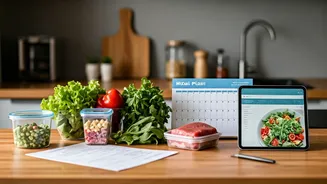
to using. The 'trick' isn't about finding better coupons or only shopping at discount stores. It’s a simple, powerful strategy shift: shop your own kitchen first. This is sometimes called 'reverse meal planning.' Instead of deciding what you want to eat and then buying the ingredients, you look at what you already own and build your meals around that. This single change flips the entire process on its head, turning your pantry from a food graveyard into a treasure chest, saving you significant money and reducing food waste.
Step 1: The Quick Kitchen Audit
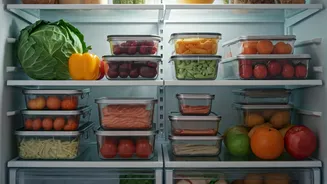
Before you even think about a shopping list, take 15 minutes to do a quick inventory. This isn't about creating a massive spreadsheet; it’s a mental and physical scan. Open your pantry, fridge, and freezer. What needs to be used up? Note down the half-used bag of dal, the two carrots going soft in the crisper drawer, the paneer nearing its expiry date, and the frozen chicken you forgot about. Group these items. Pay special attention to perishables like dairy, produce, and meat. This 'use-it-or-lose-it' list is not your shopping list; it’s your meal-planning gold. It tells you exactly where to start.
Step 2: Build Meals from What You Have
Now, look at your inventory list and get creative. This is the core of the reverse meal plan. That paneer and wilting spinach? That's your palak paneer for Tuesday. The leftover rice and assorted veggies? That’s fried rice for a quick lunch. The forgotten tin of chickpeas and a lonely tomato? You're halfway to a simple chana masala. Challenge yourself to build at least two to three main meals for the week using primarily what you already own. Think of it as a fun puzzle. You’re not just saving money; you’re honouring the food you’ve already spent your hard-earned cash on. This step alone can slash your weekly grocery bill by preventing you from buying duplicate items.
Step 3: Create Your 'Gap' Shopping List
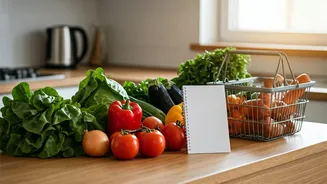
Only after you’ve planned meals around your existing inventory should you create a shopping list. This list will be surprisingly short. It’s a 'gap' list, designed only to fill in the missing pieces. For the palak paneer, you might only need to buy ginger or cream. For the chana masala, perhaps you just need an onion and some fresh coriander. Your list should be specific and targeted. Instead of 'vegetables,' write '2 onions, 1 head of garlic, 1 bunch of coriander.' This prevents mindless browsing and impulse buying in the produce aisle. The goal is to walk into the store to buy complements for the food you have, not to build a new kitchen from scratch every week.
Step 4: Execute and Stick to the Plan
When you go shopping, your mission is clear: get what's on the list and get out. A shorter, more focused list makes this much easier. You’ll spend less time wandering the aisles, which are scientifically designed to make you spend more money. Of course, life happens. You might see a great deal on your favourite mangoes or a new snack the kids will love. It's okay to have a small 'flex' budget for one or two spontaneous buys. But the bulk of your cart should reflect the targeted 'gap' list you created. By sticking to this plan, you not only control your spending but also drastically cut down the time and mental energy spent at the grocery store.