



The Unkillable Snake Plant
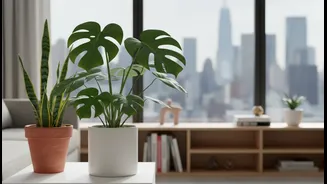
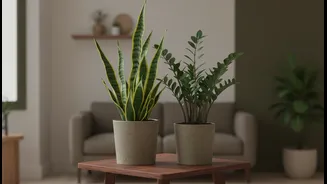
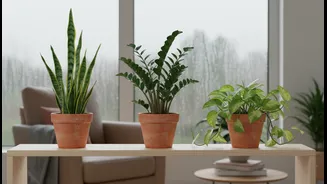
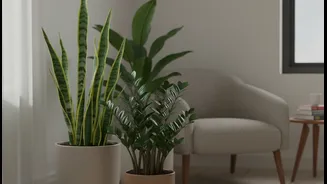
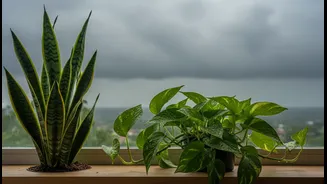
Arguably the most forgiving indoor plant, the Snake Plant (Sansevieria trifasciata) is perfect for beginners. Its stiff, sword-like leaves have an architectural quality that adds a modern touch to any room. Snake Plants are champions of low light, though
they grow fastest in bright, indirect sunlight. They are also highly drought-tolerant, so the biggest mistake you can make is overwatering. Allow the soil to dry out completely between waterings. Beyond its resilience, this plant is a well-known air purifier that removes toxins and releases oxygen at night, making it an excellent choice for bedrooms.
The Stylish ZZ Plant
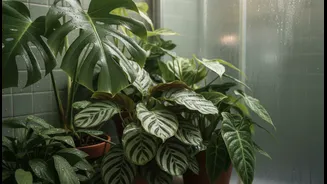
The Zamioculcas zamiifolia, or ZZ Plant, is another nearly indestructible option that brings a touch of glossy elegance to dim corners. Its wide, dark green leaves store water, making it incredibly resilient to drought and neglect. The ZZ Plant is perfectly happy in low-light environments, and can even adapt to fluorescent lighting in offices. While it can survive in very dark spots, its growth may slow. Like the Snake Plant, it requires infrequent watering, only when the soil has thoroughly dried out. Its ability to thrive with minimal care makes it ideal for busy professionals or frequent travellers.
The Versatile Money Plant
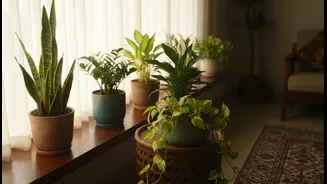
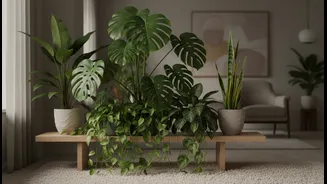
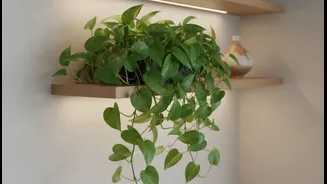
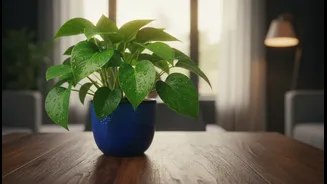
A staple in many Indian homes, the Money Plant (Epipremnum aureum), also known as Pothos, is beloved for its fast-growing, cascading vines. It is incredibly versatile, thriving in a range of lighting conditions, including low light. Its heart-shaped leaves can be solid green or variegated. Pothos is very communicative; if its leaves start to droop, it's likely asking for water. It can be grown in soil or simply in a bottle of water, making it a flexible decorating option for shelves and hanging baskets. It’s also known for its air-purifying capabilities, effectively removing common household toxins.
The Elegant Peace Lily
If you want a low-light plant that also flowers, the Peace Lily (Spathiphyllum) is an excellent choice. It produces beautiful, white sail-like blooms and has lush, dark green leaves. Peace Lilies prefer shady spots and can tolerate low light, though they will flower more profusely with a bit more brightness. They are great communicators, as their leaves will dramatically droop when thirsty, perking up quickly after being watered. This plant is also a powerhouse at improving indoor air quality, known for removing toxins like ammonia and benzene.
The Hardy Cast Iron Plant
As its name suggests, the Cast Iron Plant (Aspidistra elatior) is exceptionally tough. This plant can tolerate deep shade, low humidity, and infrequent watering, making it a true survivor. It was a popular feature in Victorian homes, which were notoriously dark indoors. It has long, elegant, deep-green leaves and grows slowly and steadily with minimal fuss. If you're looking for a plant that asks for almost nothing in return, the Cast Iron Plant is a reliable and graceful option that will stand by you for years.
Tips for Low-Light Plant Care
While these plants are tolerant, a few general rules will help them thrive. First, 'low light' does not mean 'no light'; all plants need some light to photosynthesise. A spot near a north-facing window or in a corner of a brighter room is often ideal. The most common mistake is overwatering. Since these plants grow slower in low light, they use less water. Always check if the top inch or two of soil is dry before watering again. Finally, remember to dust the leaves occasionally with a damp cloth. Clean leaves can absorb the limited available light more efficiently.