




Your Simple Winter Setup
Success in winter herb gardening begins with a few basics. Most importantly, your herbs need well-draining soil. A common mistake is using soil that holds too much water, which can lead to root rot in the cooler weather. A simple mix of garden soil, compost,
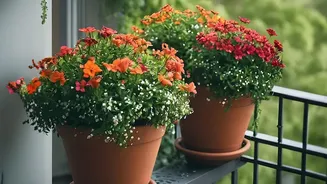
and cocopeat works wonderfully. Terracotta pots are an excellent choice as they are porous and allow the soil to breathe. Ensure any container you use has drainage holes. Finally, placement is key. Most herbs need at least four to six hours of sunlight daily, even in winter. An east-facing balcony or a sunny kitchen windowsill can be an ideal spot.
Tulsi (Holy Basil): The Sacred Plant
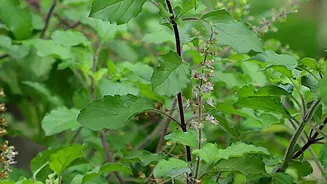
Tulsi is a perennial favourite, but it is sensitive to the cold. To keep it thriving through winter, the main goal is protection from frost and cold drafts. If you have a potted Tulsi, bring it indoors or to a sheltered spot on the balcony, especially at night when temperatures drop. It still needs about 4-6 hours of sunlight, so a south-facing window is a great indoor location. One of the biggest mistakes with winter Tulsi care is overwatering. The plant's growth slows down, so it needs less water. Check the top inch of soil; if it feels dry, it's time to water lightly. Avoid heavy pruning during this season; just snipping off the top leaves is enough to encourage growth.
Mint (Pudina): The Prolific Refresher
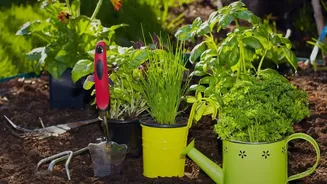
Mint is famously easy to grow and flourishes in the cool winter weather. In fact, it's so vigorous that it's best grown in its own pot to prevent it from taking over your other plants. Mint isn't too fussy about sunlight and can tolerate partial shade better than many other herbs, but more light will result in a bushier plant. It does prefer moist soil, so regular watering is important, but ensure the pot has good drainage to avoid waterlogging. You can start with a plant from a nursery or even propagate it from a healthy stem cutting rooted in water. Regular harvesting will encourage the plant to produce even more fresh, fragrant leaves for your chutneys and teas.
Coriander (Dhania): The Kitchen Staple
Fresh dhania is a must-have in any Indian kitchen, and it thrives in the cooler temperatures of winter. The key to a steady supply is successive sowing. Plant a new batch of seeds every couple of weeks. You can grow coriander easily in wide, shallow pots. The seeds don't need to be buried deep; just sprinkle them and cover with a thin layer of soil. Keep the soil consistently moist but not waterlogged. Coriander needs a good amount of sun, at least 4-6 hours a day, to grow well. You can start harvesting the outer leaves once the plant is about six inches tall, which allows the inner leaves to continue growing.
Enjoying the Rewards
Beyond the convenience of having fresh ingredients on hand, growing your own herbs offers numerous benefits. Homegrown herbs are often more flavourful and aromatic than their store-bought counterparts. It allows you to have complete control over what goes into your food, ensuring it's free from unwanted pesticides. Furthermore, the simple act of tending to plants can be a relaxing and therapeutic activity, offering a welcome escape from daily stress. Knowing that the flavour in your food comes from a plant you nurtured yourself is a uniquely rewarding experience.