


An Evolving Aesthetic
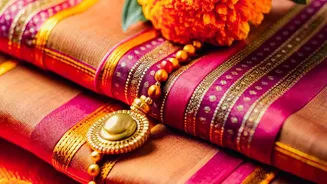
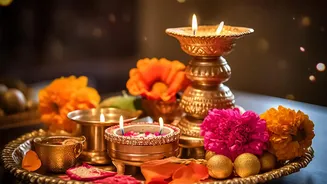
For generations, flowers at Indian weddings and festivals have been about abundance and vibrant colour. Dense arrangements of marigolds, roses, and jasmine are hallmarks of these joyous occasions, symbolizing prosperity, love, and purity. While this tradition
remains beloved, a parallel trend is emerging, one that champions a different kind of beauty. Decorators and couples are now exploring arrangements that are less about overwhelming density and more about thoughtful composition. This shift isn't a rejection of tradition, but an evolution, creating a new visual language that speaks to contemporary tastes while honouring the past.
Defining Texture and Restraint
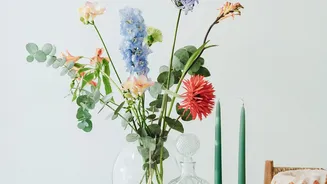
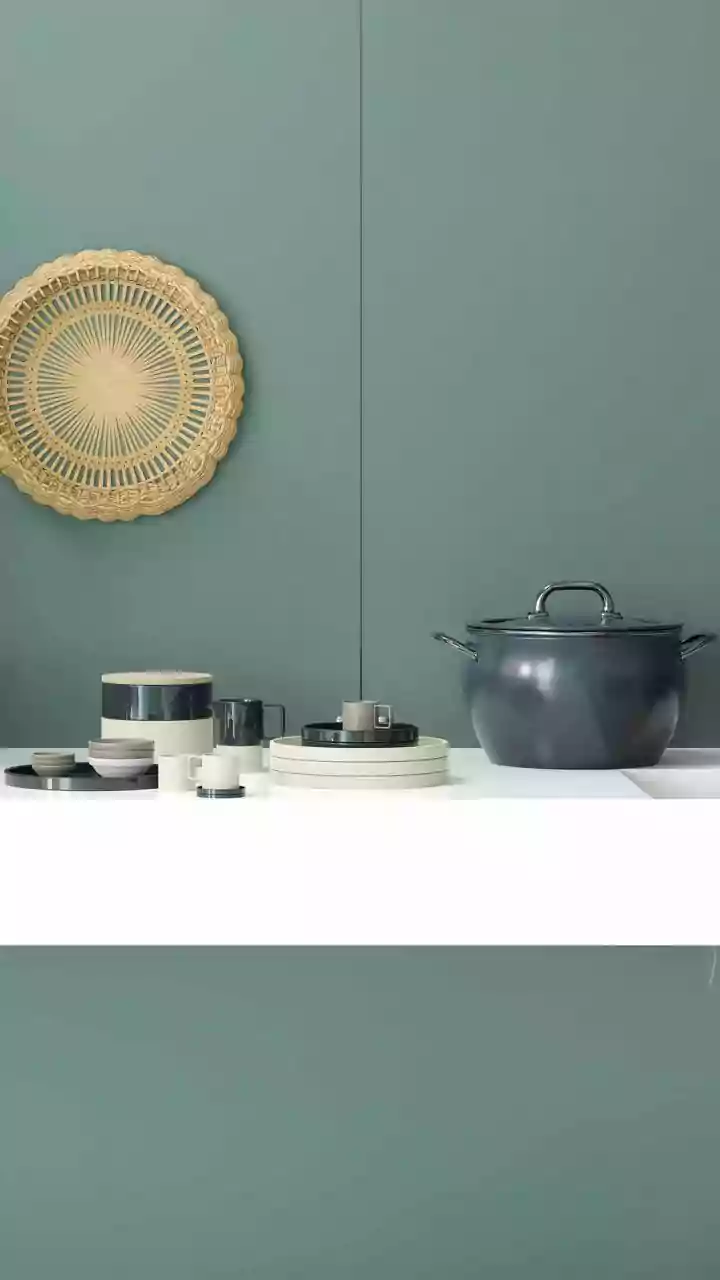
So, what does this new style look like? "Texture" means moving beyond just the bloom itself. Florists are incorporating a wider array of materials, such as dried elements like pampas grass, seed pods, and wheat stalks, alongside fresh flowers. Foliage is also becoming a star player, with arrangements celebrating the beauty of varied leaves and branches. "Restraint" refers to the principle of "less is more". Instead of packing every inch with colour, designers are using negative space to create impact. This might manifest as a sculptural, asymmetrical arch, a minimalist mandap with a single, dramatic floral feature, or tablescapes with sparse, elegant arrangements. The focus is on form, movement, and letting each element breathe.
The Global and Personal Touch
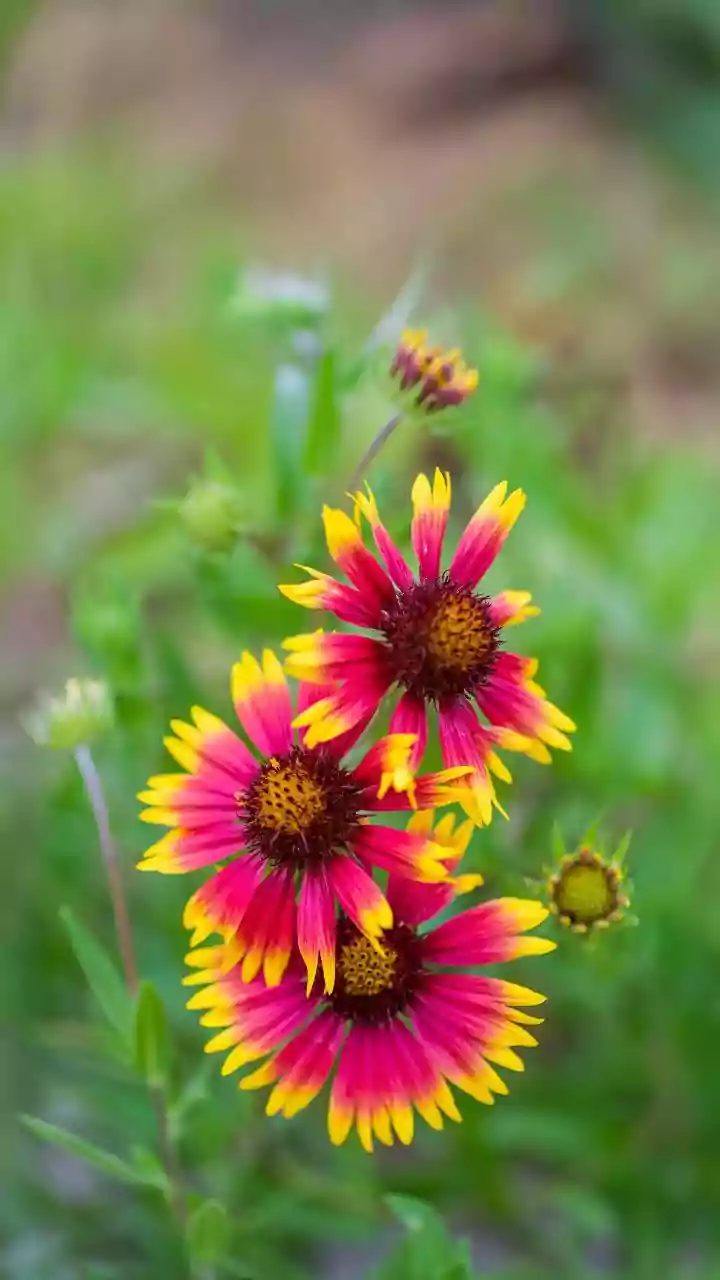
Several factors are driving this aesthetic shift. The rise of social media platforms like Pinterest and Instagram has exposed Indian couples and event planners to a world of design inspiration. Influences from minimalist aesthetics and even the Japanese art of Ikebana, which emphasizes form and line, can be seen in these modern arrangements. Furthermore, there is a growing desire for personalization. Couples want their celebrations to reflect their unique personalities, moving beyond standard packages. This new floral style allows for immense creativity, blending traditional Indian flowers like tuberose and lotus with exotic or unconventional elements to tell a personal story.
A Nod to Sustainability
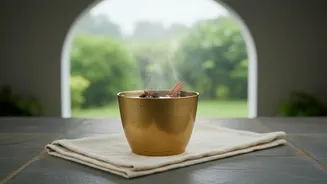
The trend towards texture and restraint also aligns with a growing consciousness around sustainability. Using locally sourced, seasonal flowers reduces the carbon footprint associated with importing blooms from afar. Incorporating dried flowers and foliage, which have a longer lifespan, is another eco-friendly choice. Some event designers are even making a point to work with organizations that can compost or upcycle floral waste into products like incense. By being more intentional with materials, these new arrangements are not only visually appealing but also represent a more mindful approach to celebrating.
A Fusion, Not a Replacement
It is important to note that this minimalist, textural style is not replacing traditional floral decor but rather co-existing and often blending with it. Many modern Indian weddings now feature a beautiful fusion of styles. For instance, a pre-wedding event like a Mehendi might showcase rustic, organic arrangements, while the main wedding ceremony retains the grandeur of a fully floral mandap. Traditional marigold garlands might be used in a more contemporary, less dense fashion. This blending of old and new, of abundance and restraint, creates a rich and dynamic visual landscape that is uniquely modern Indian.