


Beyond the Usual Suspects
For decades, the perception of Indian food, both at home and abroad, was limited to a handful of dishes. Restaurant menus from Delhi to London often felt like a replay of the same familiar hits. But a quiet revolution has been simmering, and now it has reached
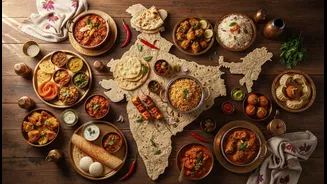
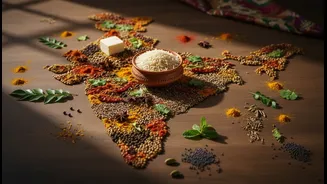
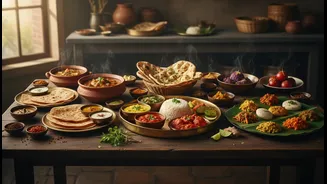
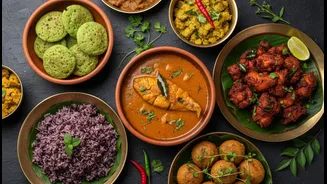
a rolling boil. Diners are looking beyond the standard North Indian curries and South Indian staples, driven by a quest for authenticity. This movement, often called the rise of hyper-regional cuisine, is a deep dive into the specific food traditions of a particular locality, community, or even family. It's about celebrating the culinary tapestry of India, which changes every few hundred kilometres—from the smoky, earthy flavours of Nagaland to the subtle, coconut-rich dishes of the Konkan coast. This isn’t just a trend; it's a cultural shift that celebrates India’s incredible diversity, one plate at a time.
The Digital Dinner Table
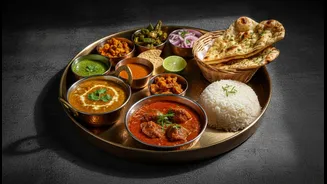
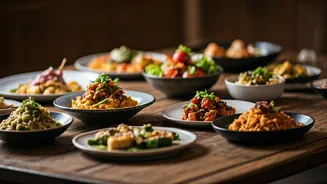
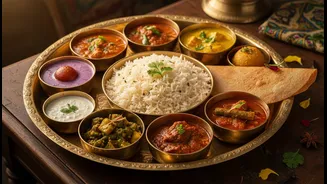
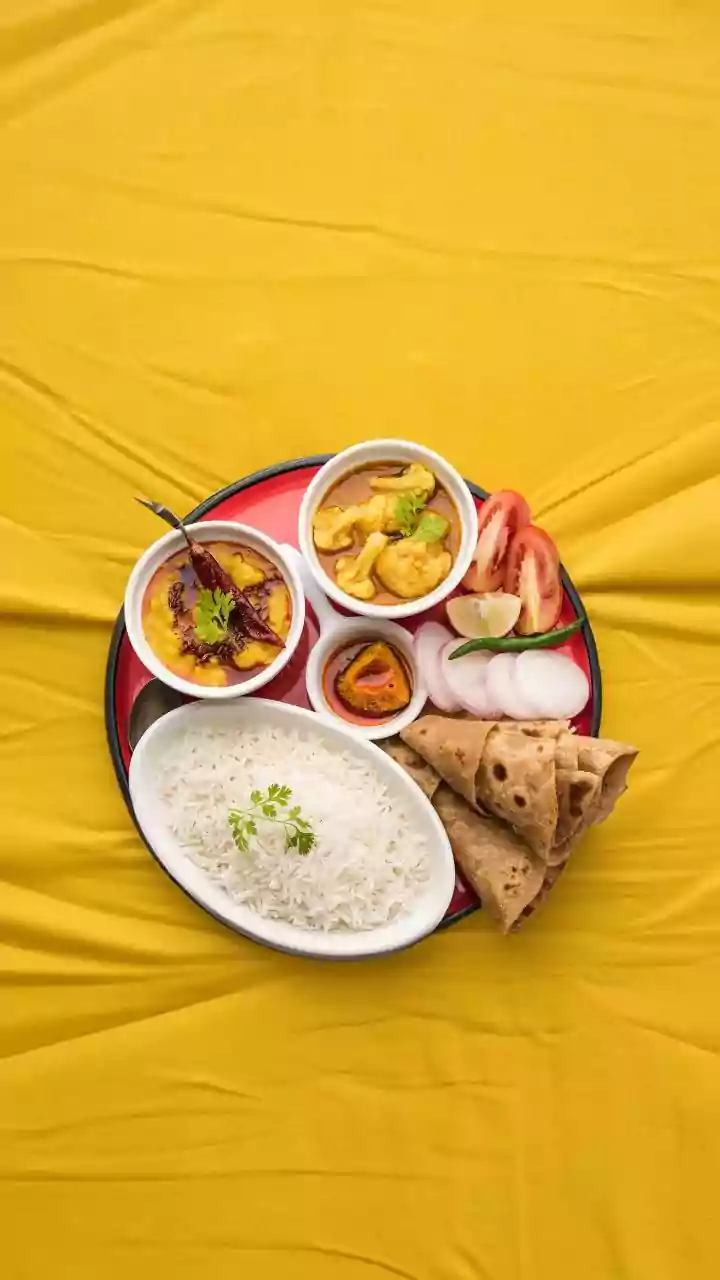
A major catalyst for this change is the device in your pocket. Social media platforms like Instagram and YouTube have become a digital dinner table where everyone is invited. Food influencers and home cooks have become powerful tastemakers, showcasing the vibrant colours and unique techniques of their native cuisines to a global audience. Visually stunning posts of a fiery Chettinad chicken or a delicately plated Kumaoni thali can spark curiosity and desire in a way a simple menu description cannot. Hashtags like #IndianFoodLovers and #DesiFood connect millions of people, creating a virtual community hungry for new experiences. This digital exposure has made once-obscure dishes accessible and aspirational, effectively democratising the food landscape and giving lesser-known cuisines their moment in the spotlight.
Chefs as Cultural Ambassadors
This movement would not be possible without a new generation of Indian chefs who see themselves as cultural ambassadors. Tired of catering to a standardised palate, these culinary leaders are looking inward, researching and reviving the recipes of their own heritage. Chefs like Vikas Khanna and Manish Mehrotra have been instrumental in elevating regional dishes, while others like Vanika Choudhary and Prateek Sadhu are championing farm-to-table concepts with indigenous produce from regions like Ladakh and Himachal Pradesh. They are unearthing lost recipes, championing local ingredients, and telling the stories behind the food. Their menus are a narrative, taking diners on a journey to the mountains of Uttarakhand for dishes like Bhatt ki Churdkani or to the villages of Goa for forgotten seafood preparations.
What’s on the Menu Now?
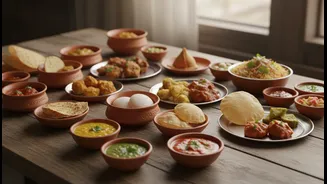
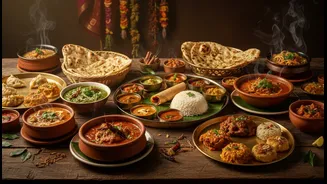
So, what are these new entrants to the group chat? The list is as vast and varied as India itself. There’s the robust, spicy cuisine of Kathiawar in Gujarat, which stands in stark contrast to the state's sweeter dishes. From the Nilgiris, Badaga cuisine offers mild, earthy flavours shaped by Portuguese and British influences. In the east, food from Nagaland and Assam, with its focus on smoked meats, bamboo shoots, and fermented ingredients, is gaining a cult following. From Ladakh, there are hearty dishes like Skyu, a local pasta, and from the coast of Karnataka, the Konkani speciality of Kismuri. Even cuisines that have migrated, like the rich Sindhi food culture, are being rediscovered for their complex flavours and unique preparations like Dal Pakwaan. These are not just meals; they are edible stories of geography, climate, and history.