






The Dieting Treadmill
Let’s be honest: most modern diets are exhausting. They ask us to count calories, cut out entire food groups, and ignore our cravings. We follow strict rules, feel deprived, and then, when we inevitably 'fail', we feel guilty. This cycle isn't just mentally
draining; it's often unsustainable. These diets disconnect us from the joy of food and from our body's own natural intelligence. They impose a one-size-fits-all template on our unique needs, often ignoring cultural food habits and local availability. What if the solution wasn’t a new set of rules, but a return to an older, wiser rhythm?
The Wisdom of Seasonal Eating
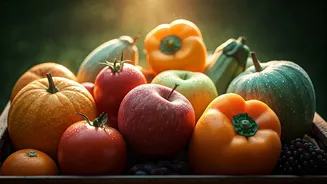
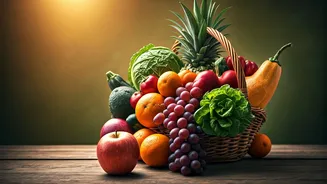
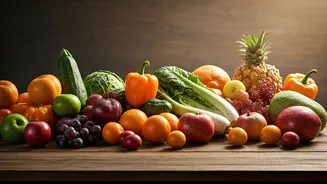
Eating with the seasons is exactly what it sounds like: choosing foods that are naturally harvested and at their peak during a specific time of year in your region. This isn't a new fad; it's a principle that our grandparents and ancestors lived by. In Ayurveda, this practice is known as Ritucharya, or a seasonal regimen that aligns our diet and lifestyle with the cycles of nature to maintain balance and health. It’s about eating cooling foods in the heat of summer, warming foods in the chill of winter, and immunity-boosting foods during the monsoon. It’s an approach based on harmony, not restriction.
Peak Flavour and Nutrition
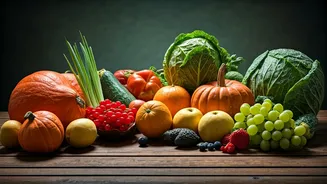
A mango in December? A strawberry in July? You might find them in a supermarket, but they won't taste the same. Produce that is picked and eaten in its natural season is at its absolute peak in terms of flavour and nutritional value. When fruits and vegetables are allowed to ripen fully on the vine or tree and are consumed shortly after harvest, they retain more vitamins, minerals, and antioxidants. Out-of-season produce is often picked unripe and transported long distances, a process that degrades both its taste and its health benefits.
Good for Your Body and Your Budget
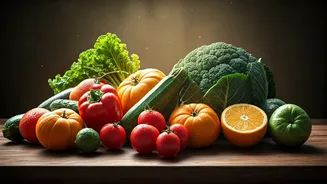
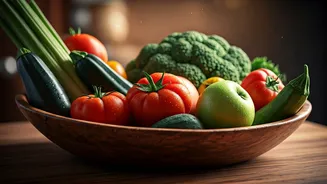
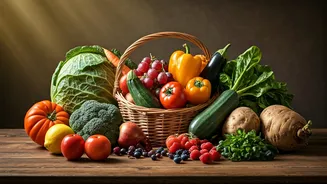
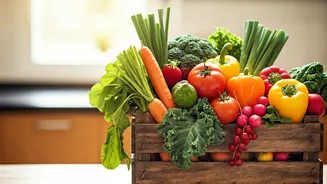
Aligning your diet with the seasons can also have a profound effect on your digestion and overall well-being. Nature provides what our bodies need. Summer brings water-rich foods like watermelon and cucumber to keep us hydrated. Winter offers dense, starchy root vegetables like carrots and sweet potatoes to provide energy and warmth. Furthermore, this approach is often kinder to your wallet. When a fruit or vegetable is in season, it’s abundant. This surplus drives prices down, making it much more affordable to fill your basket at the local sabzi mandi compared to buying expensive, imported goods.
A Simple Seasonal Guide for India
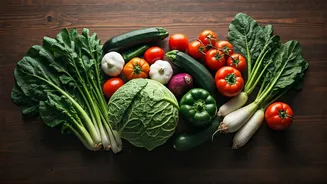
Getting started is easier than you think. Here’s a simple guide: Summer (March-June): Focus on cooling and hydrating foods. Think mangoes, watermelon, muskmelon, lychee, cucumbers, bottle gourd (lauki), and tomatoes. Fresh mint and light dals are your friends. Monsoon (July-September): Your immunity can be weaker, and digestion slower. Opt for light, easy-to-digest foods. Include gourds like bitter gourd (karela) and ridge gourd (turai), pumpkin, and corn (bhutta). It’s a good time for warm, spiced teas and soups. Be cautious with leafy greens unless thoroughly cleaned and cooked. Winter (October-February): The body craves energy and warmth. This is the season for robust flavours. Enjoy root vegetables like carrots, beetroot, and radish. Feast on leafy greens like spinach (palak) and mustard greens (sarson). Citrus fruits like oranges and amla are abundant, providing a vital Vitamin C boost.