






The Great Festive Travel Burnout
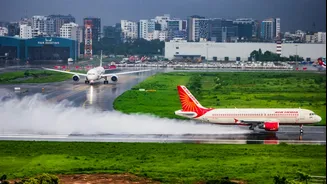
Every year, families across India gear up for the much-awaited festive break. It’s a time for connection, celebration, and creating memories. Yet, for many, the reality involves daunting travel plans. Long car rides on congested highways, navigating crowded
airports and train stations, and the inevitable chorus of ‘Are we there yet?’ from the back seat can transform a well-deserved break into an endurance test. The pressure to have a 'big' vacation often means spending a significant portion of it in transit. This 'travel burnout' is real; families arrive at their destination already exhausted, irritable, and behind schedule. The sensory overload of festive crowds and noise can be particularly overwhelming for children, leading to meltdowns that test the patience of even the calmest parents.
Less Travel, More Vacation
The alternative is refreshingly simple: shorten the journey. The trend of 'micro-vacations' and staycations is growing in India for a good reason. By choosing a destination closer to home—perhaps a two- or three-hour drive away—you fundamentally change the equation of your holiday. You reclaim precious time, converting hours once spent staring at traffic into moments of actual relaxation. A shorter journey means you can leave after a relaxed breakfast instead of at the crack of dawn. You pack lighter, worry less about elaborate travel logistics, and arrive with your energy and good humour intact. This shift from 'destination-focused' to 'experience-focused' travel ensures that the vacation begins the moment you leave your house, not just when you finally arrive.
Happy Kids, Relaxed Parents
Long-distance travel is particularly tough on children. Their routines are disrupted, and they are confined to a car seat or train berth for hours, which often leads to frustration and crankiness. Shorter trips are inherently more kid-friendly. They minimise boredom and the physical discomfort of being cooped up for too long. When children are happy, the entire family dynamic changes. Parents are less stressed when they aren't constantly managing tired and irritable kids. This creates a positive feedback loop: more manageable travel leads to happier children, which in turn allows parents to genuinely relax and enjoy the break themselves. The focus shifts from managing a logistical challenge to sharing joyful experiences together.
The Joy of Spontaneity and Discovery
One of the biggest advantages of short-distance travel is the flexibility it offers. Planning a major trip often requires booking months in advance to get good deals on flights and hotels. In contrast, a weekend getaway to a nearby spot can be planned almost spontaneously. With booking windows for domestic travel shrinking, many families are embracing these impulsive escapes. This approach also encourages local discovery. India is dotted with beautiful heritage properties, serene farm stays, and boutique nature resorts that are often overlooked in favour of more famous, far-flung destinations. Opting for a shorter trip can be an invitation to explore the hidden gems in your own state, offering unique and authentic experiences without the hassle and expense of a long-haul journey.
Making Memories, Not Miles
Ultimately, the goal of a family vacation is to strengthen bonds and create lasting memories. These memories aren't measured in the number of kilometres travelled but in the quality of time spent together. A short-distance trip allows for more of that quality time. Instead of recovering from a tiring journey, you can dive straight into the fun: playing games, exploring the surroundings, sharing meals, and simply being present with each other. By prioritising comfort and manageability, you create an environment where connection can flourish. The shared laughter during a short car ride is far more valuable than the stress of a delayed flight or a seemingly endless train journey.