



The Post-Monsoon Paradox
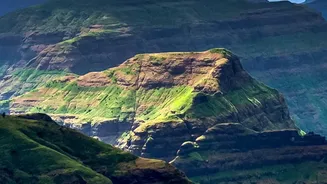
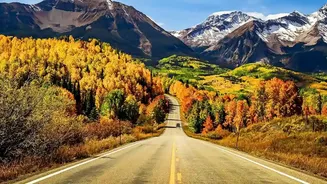
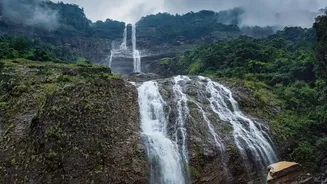
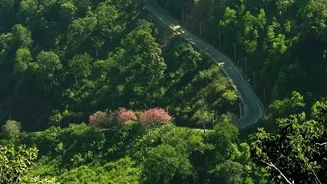
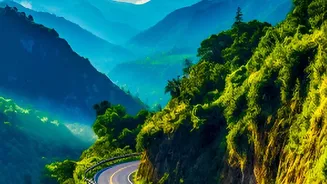
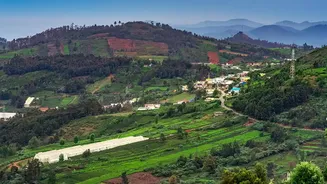
Driving through the Sahyadris after the rains is a bucket-list experience. The landscape is vibrant, the air is crisp, and waterfalls are still in their prime. However, this beauty comes with a set of challenges. The monsoon leaves behind a legacy of potholes,
loose gravel, and roads weakened by relentless rain. In recent years, major routes like the Kelghar Ghat on the Satara-Mahabaleshwar road have been temporarily closed due to landslides. While authorities work to repair damage, drivers must remain vigilant. The combination of stunning views and potential hazards requires a well-prepared driver and an even better-prepared vehicle.
Vehicle Health: Your First Line of Defence
Before you even think about hitting the ghats, a thorough vehicle check is non-negotiable. Mountain roads put immense strain on your car. Start with the essentials. Inspect your tyres for adequate tread depth, as worn tyres significantly reduce grip on slippery or gravelly patches. Ensure they are inflated to the manufacturer's recommended pressure. Your braking system is paramount; get your brake pads and fluid levels checked by a mechanic, especially if you hear any unusual noises. Finally, check your wipers, lights, and horn. Post-monsoon weather can be unpredictable, with sudden fog or leftover showers making visibility a major issue. A well-maintained car is the foundation of a safe trip.
Mastering the Art of Ghat Driving
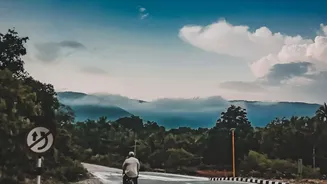
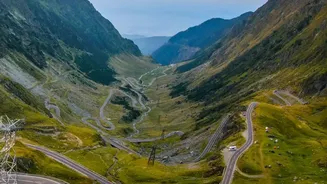
Driving in the ghats is a skill that differs greatly from city or highway driving. The golden rule is to be patient and smooth. Avoid sudden acceleration or braking, especially on hairpin bends. When ascending steep inclines, stay in a lower gear (second or third) to ensure your engine has enough power without straining. When descending, use the same technique of engine braking by staying in a low gear. This prevents your brakes from overheating and failing. Never overtake on a blind curve or a narrow stretch. It's better to wait for a clear, straight patch of road or for the driver ahead to signal you to pass. Always honk at sharp, blind turns to alert oncoming traffic of your presence.
Navigating Routes and Potential Hazards
The roads connecting Satara and Mahabaleshwar, such as the Pasarni Ghat and the Ambenali Ghat, are scenic but demand caution. The Ambenali Ghat, one of the longest in Maharashtra, is famous for its numerous turns and has been identified as prone to landslides. After the monsoon, be particularly wary of potholes hidden by puddles, patches of mud or slush, and the potential for falling rocks. Recent reports from July 2026 highlighted issues like cracks developing on the Mahabaleshwar-Tapola road and landslides blocking other key routes. Before you leave, check local traffic advisories for any road closures or diversions. Driving during daylight hours is strongly recommended, as visibility drops dramatically after sunset, making it harder to spot these hazards.
Pack an Emergency Kit
While you hope for the best, you must prepare for the worst. Mobile network coverage can be patchy in remote ghat sections, so you can't always rely on your phone for help. Your emergency kit should include a functional spare tyre, a jack, and a tyre inflator. Jumper cables, a basic toolkit, and a first-aid kit are also essential. Pack extra water and some non-perishable snacks in case you get stranded. A powerful flashlight and a portable power bank for your phone can be lifesavers. Having these items on hand provides peace of mind and ensures you are self-reliant if you encounter any trouble.