







More Than Just Free Entry
When a festival removes its entry fee, it does more than just save attendees money. It sends a powerful message: this is for everyone. Financial barriers are significant, but so are psychological ones. Free festivals dismantle the perception that literature
is a highbrow affair reserved for a select few. By creating an open, welcoming environment, events like the Pune International Literary Festival, India's only free and multi-lingual literary event, invite people from all walks of life to participate. This approach makes discovering new books and authors feel less like a formal transaction and more like a joyful exploration. The accessibility is not just about the cost but about creating a space where curiosity is the only entry requirement.
The Modern Literary Mela
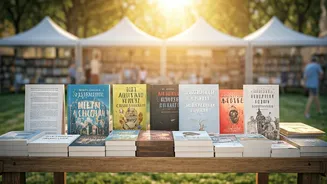
Across India, literary festivals are taking on the spirit of a community fair, or 'mela'. The famed Jaipur Literature Festival, often called the “Greatest Literary Show on Earth,” maintains a model where general access is either free or very nominally priced, ensuring it remains inclusive. These events are increasingly held in public parks and open venues, transforming them into cultural hubs. They blend author talks with music, food, and art, creating a holistic cultural experience. Festivals like Kolkata's AKLF and Dehradun's Valley of Words are designed to be celebrations of creativity that reflect the local culture, drawing in crowds who might not attend a traditional, ticketed book event. This turns reading from a solitary act into a shared, public celebration.
A New Connection for Authors and Readers
The informal setting of a free festival fundamentally changes the dynamic between authors and readers. When you remove the structured, often intimidating, environment of a formal book signing, you create opportunities for genuine conversation. Authors are no longer just figures on a stage; they become part of the crowd, participating in debates and discussions. This direct engagement is invaluable. Readers get deeper insights into the minds behind the books they love, and authors get a real-time connection with their audience, understanding what resonates with them. It helps build a strong sense of community and can turn casual readers into loyal fans.
Fostering a Culture of Reading
Ultimately, the greatest impact of these festivals is their role in nurturing a love for reading across society. By making literature a part of a wider cultural celebration, they introduce books to new audiences, especially young people. Many festivals include extensive programming for children and teenagers to help cultivate a reading habit from an early age. When a whole community comes together to celebrate stories, it reinforces the idea that books are not just for academic purposes but a source of joy, connection, and lifelong learning. They become catalysts for conversation and critical thinking, which are vital for a healthy cultural landscape.