


The Main Event: Perseid Meteor Shower
The Perseid meteor shower is the uncontested highlight of August, and 2026 is set to be a fantastic year for it. The shower peaks on the night of August 12-13. The best part? This peak coincides with a New Moon on August 12, which means the sky will be exceptionally
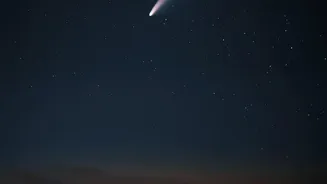
dark, making it easier to spot the meteors. These shooting stars are actually tiny bits of debris left behind by Comet Swift-Tuttle, which burn up as they enter Earth's atmosphere. For viewers in India, the ideal time to watch will be in the pre-dawn hours of August 13, roughly between 2 a.m. and 5 a.m. IST, when you might see up to 100 meteors per hour in a clear, dark sky. Look towards the northeastern sky, though the meteors can appear anywhere.
A Parade of Planets
August offers a wonderful opportunity to spot several planets. Throughout the month, you can find yellowish Saturn rising in the east in the evening and remaining high in the sky before dawn. Reddish Mars will also be visible in the east before sunrise. On the morning of August 9, you can see the waning crescent Moon appear close to Mars, a conjunction that makes the Red Planet easier for beginners to locate. Around August 11, a six-planet alignment will be scattered across the pre-dawn sky, including Mercury, Jupiter, Mars, and Saturn, which are visible to the naked eye. However, Mercury and Jupiter will be very low on the eastern horizon and might be tricky to spot in the morning twilight. Venus will be a brilliant beacon in the western sky shortly after sunset all month long.
Moon Phases and a Special Conjunction
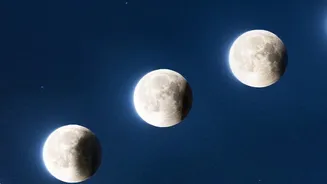
Keeping track of the Moon is key for any stargazer. The New Moon on August 12 provides the perfect dark-sky conditions for the Perseids. Before that, on August 7, look for the crescent Moon near the beautiful Pleiades star cluster, also known as the Seven Sisters, in the early morning sky. The First Quarter Moon is on August 20. The month closes with a Full Moon on August 28, traditionally known as the Sturgeon Moon. This Full Moon will also feature a deep partial lunar eclipse, where over 96% of the Moon's surface will pass through Earth's shadow. Unfortunately, this eclipse will not be visible from India.
Tips for Urban Stargazing in India
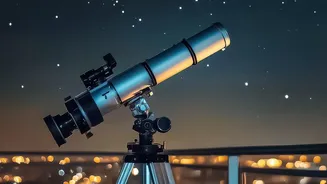
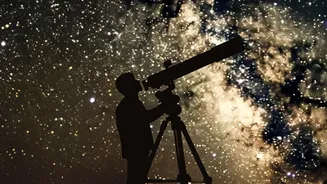
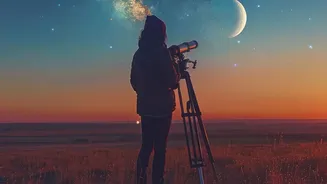
Stargazing from a city can be challenging due to light pollution and, in August, the monsoon clouds. But don't be discouraged. First, find the darkest spot you can—a rooftop, a park, or the outskirts of the city can make a huge difference. Give your eyes at least 20-30 minutes to adapt to the darkness; avoid looking at your phone screen, as its bright light will ruin your night vision. If you need a torch, use one with a red light. You don't need a telescope for most of these events, especially a meteor shower, as your naked eyes are best for scanning a wide area of the sky. Finally, be patient and check the weather forecast for a clear window between the monsoon clouds. The universe is full of wonders, and with a little planning, you can enjoy them from anywhere.