
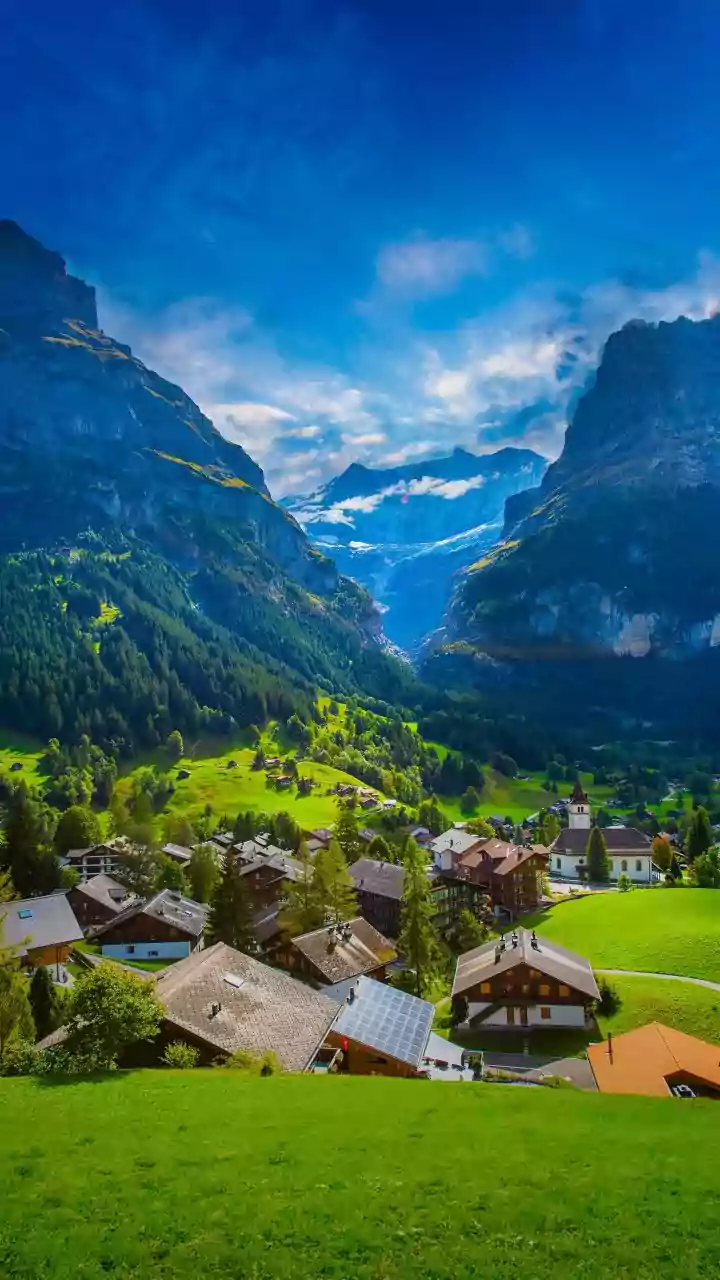

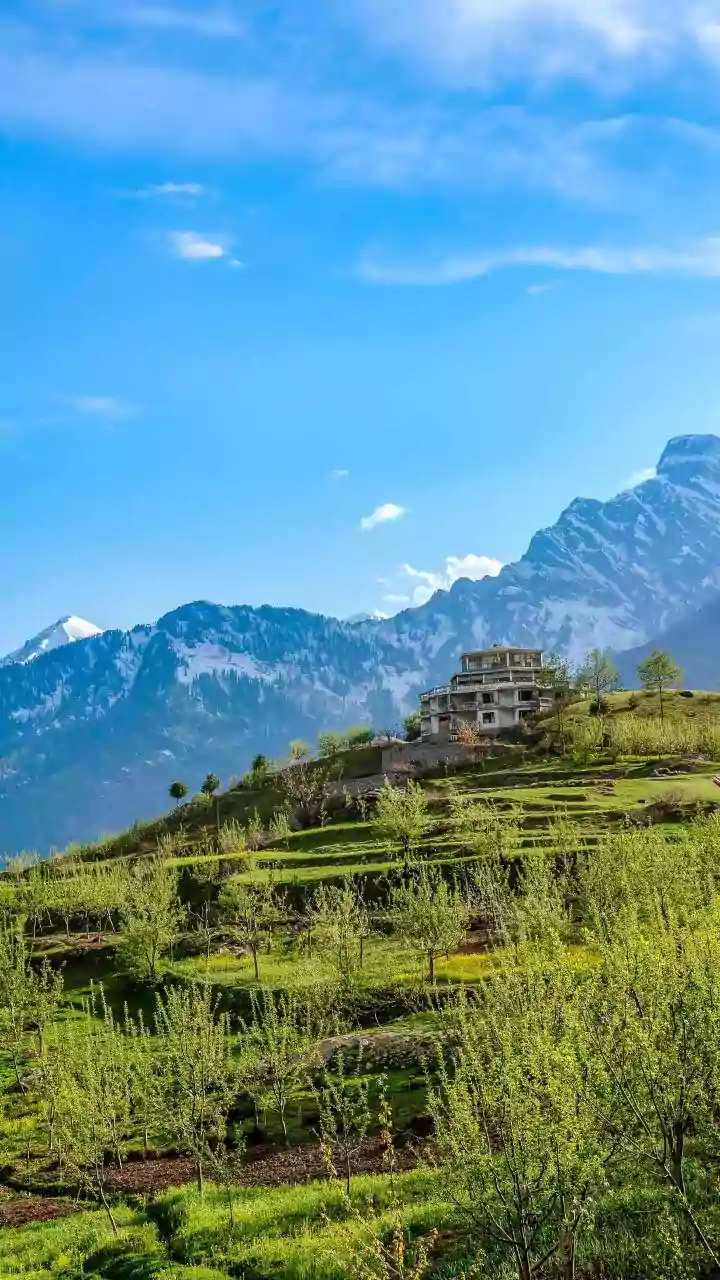
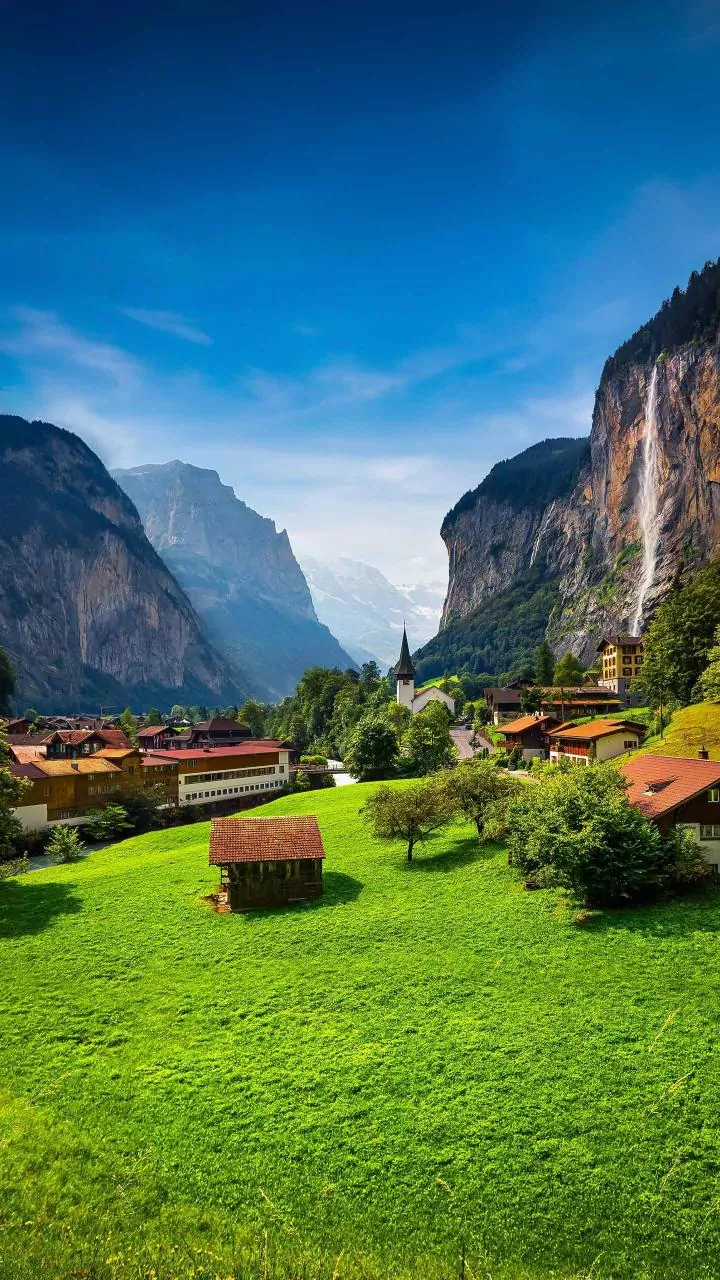


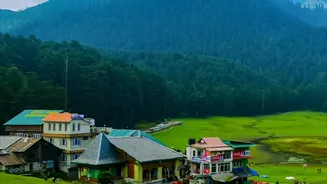
The long weekend is coming, and the familiar urge to escape Delhi's clamour strikes again. But the thought of traffic jams leading to overcrowded Mall Roads can be daunting. What if there was an escape that offered true quiet and rejuvenation?
Beyond the Usual Suspects
For decades,
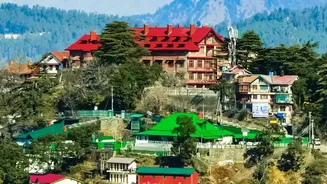
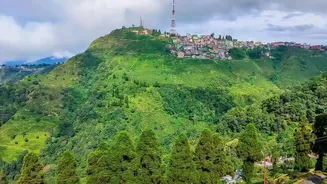
the go-to hill stations for Delhiites have been a predictable roster: Shimla, Mussoorie, Nainital. While charming, these destinations are often bursting at the seams, with long lines of cars, packed hotels, and bustling marketplaces that offer little respite from city life. The search for a genuine escape—one defined by peace, nature, and open spaces—has led discerning travellers to look further afield, seeking places that retain their quiet, old-world charm. This is where Binsar, a sleepy hamlet in the Kumaon region of Uttarakhand, emerges as a compelling alternative. It’s a destination that prioritises serenity over spectacle, offering a different kind of holiday altogether.
Welcome to Binsar: A Sanctuary of Quiet
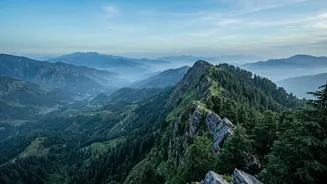
Perched at an altitude of over 2,400 metres, Binsar was once the summer capital of the Chand dynasty rulers. Today, its primary identity is the Binsar Wildlife Sanctuary, a protected forest of oak and rhododendron that blankets the hills. Unlike commercialised hill towns, Binsar has strict restrictions on construction, which has preserved its pristine environment. The reward is a destination free from the cacophony of traffic and tourism, where the soundtrack is composed of wind rustling through pine trees, the chirping of over 200 bird species, and the occasional call of a barking deer. The air is crisp, the pace is slow, and the primary activity is simply being present in nature.
The View from Zero Point
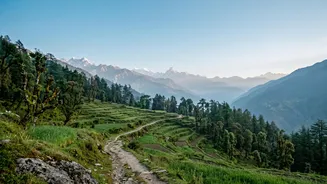
The crown jewel of a trip to Binsar is the trek to Zero Point, the highest vantage point within the sanctuary. A manageable walk of about two kilometres takes you to a clearing that offers a breathtaking, 300-kilometre panoramic view of the majestic Himalayas. On a clear day, iconic peaks like Kedarnath, Trishul, Nanda Devi, and Panchachuli stand tall against the horizon, a sight that makes the journey worthwhile. It’s a perfect spot for sunrise and sunset, where the changing light paints the snow-capped mountains in hues of orange and gold, reminding you of nature’s grand scale.
Exploring the Kumaoni Countryside
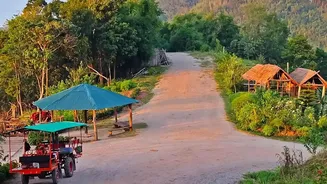
While the sanctuary is the main draw, Binsar’s appeal extends to its tranquil surroundings. The 16th century Bineshwar Mahadev Temple, from which Binsar gets its name, is a must visit for its serene atmosphere and intricate architecture. The region is dotted with walking trails that meander through forests and quiet villages, offering a glimpse into the local Kumaoni way of life. Nearby, the Kasar Devi Temple, known for its historical and spiritual significance, provides another point of interest. However, the real joy of Binsar lies in unscheduled moments—enjoying a cup of tea with a mountain view, reading a book on a quiet balcony, or simply going for a long walk with no destination in mind.
How to Plan Your Binsar Getaway
Reaching this secluded paradise requires some planning. The drive from Delhi is approximately 380–400 kilometres and takes around 9 to 10 hours. The most common route goes via Moradabad, Rampur, and Haldwani to Almora, which is the nearest major town, about 30 kilometres from Binsar. For those preferring rail travel, the nearest station is Kathgodam, around 112–120 kilometres away, from where you can hire a taxi for the final 3–4 hour scenic drive. The closest airport is in Pantnagar, about 140–150 kilometres away. Accommodation options range from the government–run KMVN Tourist Rest House inside the sanctuary to charming homestays and eco–resorts that blend with the natural surroundings. It's highly advisable to book in advance, especially during peak seasons, as options are limited.