





The Hidden Risk in Your Morning Juice
Many people are aware that medications can interact with each other, but fewer realize that a simple fruit juice can have a similar, and sometimes dangerous, effect. The U.S. Food and Drug Administration (FDA) has issued warnings for years about the interaction
between grapefruit and a long list of medications. This isn't just a minor issue; consuming grapefruit or its juice can significantly increase the concentration of a drug in your bloodstream. The result is that a normal, prescribed dose can effectively become an overdose, magnifying the drug's intended effects and, more worryingly, its side effects. This can lead to serious health problems, including liver and muscle damage or dangerous heart rhythms, depending on the medication.
The Science Behind the Interaction
The primary culprit behind this interaction is a group of natural compounds called furanocoumarins. These chemicals are found in grapefruit and a few other citrus fruits. They interfere with an important enzyme in our small intestine called cytochrome P450 3A4, or CYP3A4 for short. This enzyme is responsible for breaking down and metabolizing a vast number of medications before they even enter the bloodstream. Furanocoumarins essentially block or inhibit this enzyme. When CYP3A4 is disabled, much more of the active drug is absorbed into the body than intended. This effect is not easily avoided by spacing out the medication and the juice; a single glass of grapefruit juice can inhibit the enzyme for up to 72 hours, as the body must produce new enzymes to recover.
Which Fruits and Juices Are a Concern?
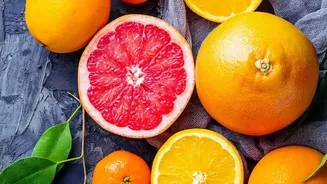
Grapefruit is the most well-known offender, but it’s not alone. Other citrus fruits containing furanocoumarins can cause similar interactions. These include Seville oranges (often used in marmalades), pomelos, and tangelos (a hybrid of tangerine and pomelo). It's important to note that many common orange juices, like those made from Valencia or navel oranges, generally do not have this strong effect. However, some research indicates that apple and certain other fruit juices can also interfere with medications, though sometimes through different mechanisms that decrease a drug's effectiveness rather than increase it. Given the variables in fruit types and processing, reading medication labels and consulting a professional is always the safest bet.
Common Medications That Can Interact
The list of medications affected by this interaction is extensive and continues to grow. The FDA has highlighted several key categories of drugs where this interaction is a concern. These include: certain statins used to lower cholesterol, such as simvastatin and atorvastatin; some blood pressure medications known as calcium channel blockers, like nifedipine; immunosuppressants taken by organ transplant patients, such as cyclosporine; and certain anti-anxiety medications, corticosteroids, and drugs for abnormal heart rhythms. Not every drug within a class is affected in the same way, so it is crucial to check the specific medication you are taking.
How to Stay Safe
Navigating this potential risk requires proactivity and open communication with your healthcare team. The most important step is to always read the patient information leaflet and any warning labels that come with your prescription or over-the-counter drugs. Many will explicitly warn against consumption of grapefruit or grapefruit juice. Your pharmacist is an excellent resource; they can review your medications and tell you if any interactions are known. Do not assume that separating the medication and the juice by a few hours will prevent the interaction, as the effect can be long-lasting. If you are a regular consumer of grapefruit or other implicated citrus fruits, make sure your doctor is aware of this when they prescribe new medications. Never stop taking a prescribed medication if you accidentally consume grapefruit; instead, contact your doctor or pharmacist for guidance.