




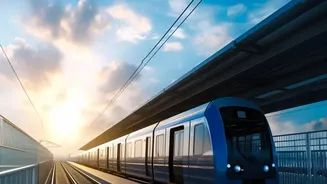
The Problem with Diesel Power
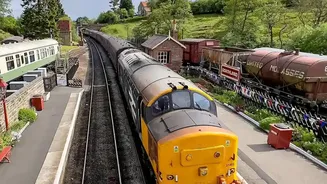
For decades, diesel locomotives have been the workhorses on many of India’s beloved heritage lines, like the Kalka-Shimla and Darjeeling Himalayan Railways. While more efficient than the original steam engines, they come with a significant environmental
cost. The rumble of a diesel engine and the plume of exhaust smoke can feel out of place in the pristine natural landscapes these 'toy trains' traverse. These aging engines contribute to air and noise pollution, and their maintenance is becoming increasingly complex and costly. Furthermore, electrifying these routes with overhead lines is often impractical due to the difficult terrain, numerous tunnels, and sharp curves, not to mention that it would spoil the natural beauty.
How Hydrogen Offers a Clean Solution
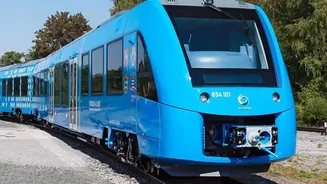
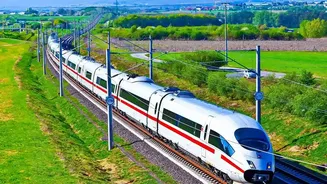
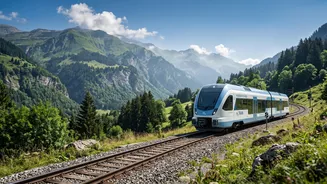
Enter the hydrogen-powered train, a next-generation solution that offers zero emissions at the point of use. Instead of burning fuel, these trains use a fuel cell to create electricity. Inside the fuel cell, hydrogen stored in tanks on the train chemically reacts with oxygen taken from the air. This process generates electricity to power the motors, with the only byproduct being pure water vapour. This means a quieter, cleaner ride that doesn't release harmful greenhouse gases or particulate matter, preserving both the environment and the tranquil experience of a heritage journey.
India's 'Hydrogen for Heritage' Mission
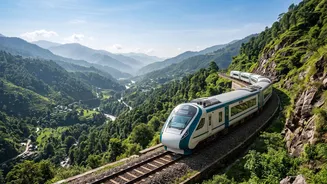
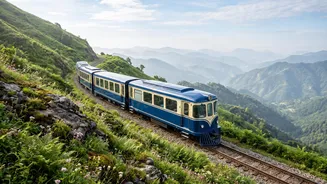
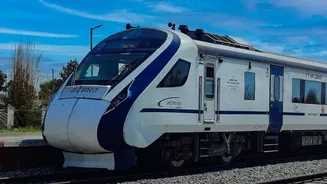
Indian Railways is actively pursuing this green technology under its 'Hydrogen for Heritage' initiative. The plan aims to introduce 35 hydrogen-powered trains across the country's most scenic and ecologically sensitive routes. Following the launch of a pilot project on the Jind-Sonipat section, the experience gained will be used to deploy the technology on heritage lines. The Kalka-Shimla Railway, a UNESCO World Heritage site, is a prime candidate, with plans announced to run a seven-coach hydrogen train along its 96-kilometre narrow-gauge track. Other famous routes like the Darjeeling Himalayan Railway and the Nilgiri Mountain Railway are also slated for this green upgrade.
The Hurdles and High Hopes
The transition to hydrogen is not without challenges. The primary hurdle is cost. Currently, producing 'green' hydrogen (made using renewable energy) is expensive, and the initial cost of a hydrogen train and its supporting ground infrastructure is significant. Indian Railways estimates each train to cost around ₹80 crores, with an additional ₹70 crores for infrastructure per route. Building a network of hydrogen production, storage, and refuelling stations also requires substantial investment. However, experts believe that as the technology scales up and more trains are introduced, these costs will gradually decrease. The long-term benefits of energy independence, reduced pollution, and sustainable tourism are seen as a worthwhile investment in the nation's heritage.